January 26, 2026 · 8 mins read
Santosh Kumar
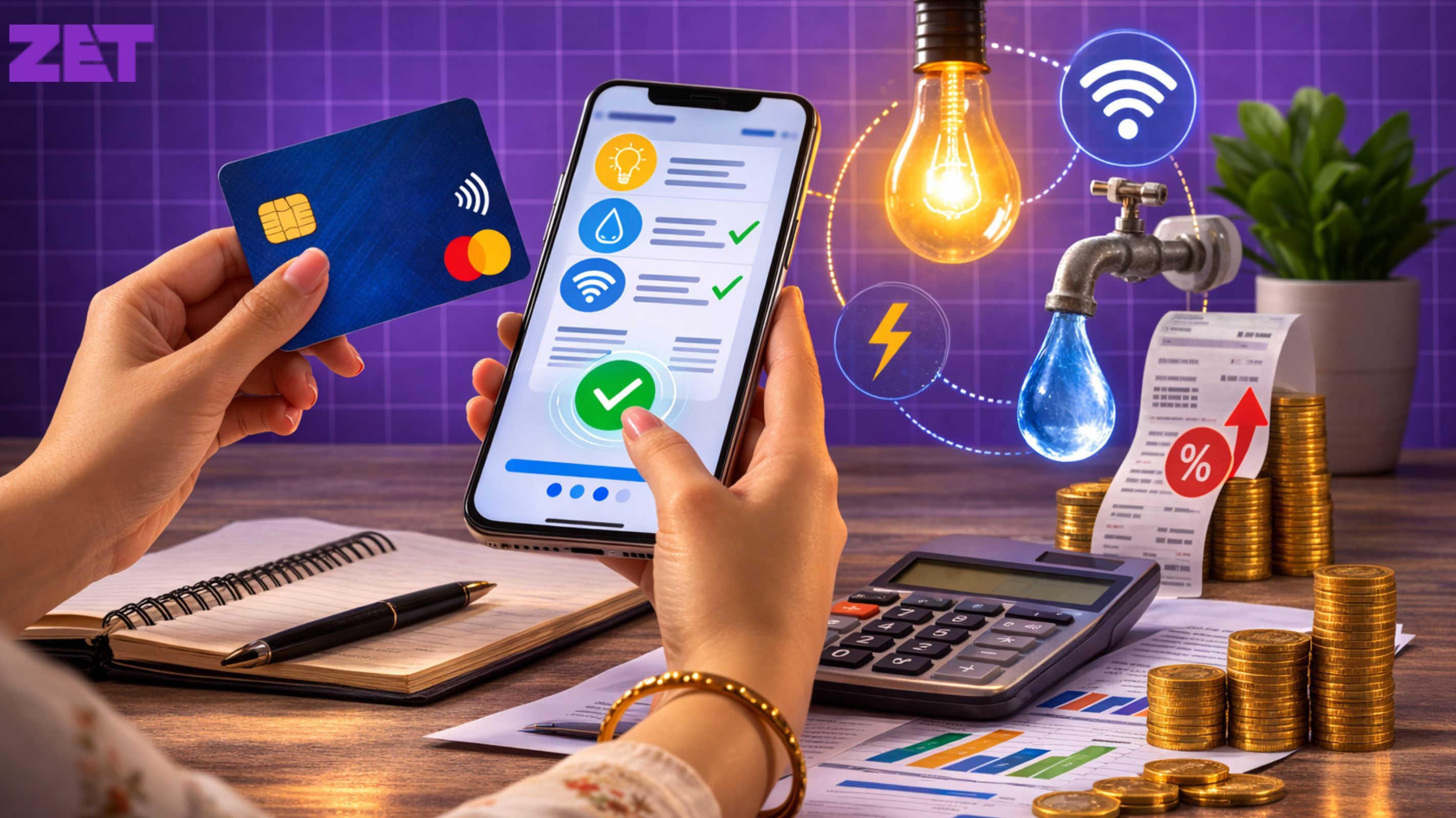
More and more consumers are using credit cards to pay for their utility bills in order to access a greater variety of financial products that help manage their monthly expenditures. Previously, consumers viewed their electric, water, gas, internet and cell phone bill payments as monthly fixed expenses and only paid them by directly depositing into a bank account (using debit cards); but with the rising popularity of the credit card, the frequency of bill payments by consumers using credit cards has increased. This makes it important for consumers to understand what it means for them—specifically, what types of rewards, fees and other implications may apply to credit card transactions and what value is created with this payment method when making utility bill payments.

Consumers may use the available credit on their credit card to pay for ongoing service fees related to their home or other customers. Consumers may use this payment option because of the flexibility that it affords them concerning their cash flow, and also to earn points/rewards for later use from their credit card provider. Utility bills are issued by the utility company on a regular monthly basis, can represent a monthly fixed expense for the consumer at each billing cycle, and therefore present a unique opportunity for the consumer to plan for paying their utility bills. The payment transaction associated with the utility bill payment may be classified differently by the credit card issuer compared to other types of transactions; as such, credit card issuers and processors treat utility bill payments differently than other types of purchases.
Utility companies and other providers, commonly known as "utilities," typically do not accept payments through credit card networks. Instead, they usually accept payment via a third-party platform/aggregator, which in turn determines how transactions will be classified in terms of rewards, surcharges, and interest calculations.
Because of this classification as "grey area" transactions, consumers often view utility bill payments as a hybrid transaction between using a regular credit card and making a normal purchase.
Consumers use credit cards to pay for their utility bills primarily because it provides a better cash flow management experience. The convenience of being able to use a credit card allows consumers to hold off on the physical cash outflows associated with their bills until the end of the billing cycle for that month. This delays cash outflow and provides some "breathing room" during times of financial hardship. Additionally, by combining several utility bills into a single monthly statement, it is easier for consumers to track their expenses.
Another motivating factor for many consumers when they pay their utility bills with credit cards is that they have the opportunity to earn rewards. Even when reward rates are low, they often feel significant when they are received on a regular basis for the same type of item. Utility bills provide consumers with a stable category of spending, and many consumers look to take advantage of earning rewards from their utility bills because they are necessary expenses. The psychological satisfaction of earning something back from your required spending contributes to this consumer behaviour.
Utility bill payments earn credit card rewards based mainly on how the credit card companies categorize these transactions. Often, utility payments fall outside of accelerated reward categories, so cardholders receive only the base level of points or cashback for the payment. Utility payments can sometimes also be categorized as a service payment rather than a purchase leading to lower reward rates or no rewards at all.
Even with these restrictions, utility bills still add to a cardholder's total monthly expenditure, which may help a cardholder qualify for bonus rewards or an annual fee waiver. Although utility bill reward amounts may be low, the regularity of utility bills each month will lead to a more consistent accumulation of rewards for cardholders.
Some credit card companies limit rewards earned from utility payments, while other companies do not allow them to qualify for rewards. Therefore, before committing to pay utility bills using a credit card, all cardholders must understand how their card earns rewards. Otherwise, cardholders may have different expectations for utility bill reward earnings compared to what they will actually earn.
Also Read: Can Students Get a ₹2,000 FD Credit Card? A Complete Guide
Surcharges may be the most important consideration when deciding if using a credit card for paying utility bills is beneficial. Many utility companies and/or payment service providers charge a convenience fee when using a credit card, which may be expressed as a percentage of the utility bill to help cover the cost of processing.
The impact of such surcharge costs can negate completely any rewards earned. The fee could be greater than the rate of rewards being accumulated, thereby resulting in an unprofitable transaction. In many situations where accumulated reward value exceeds surcharge cost, the margin is often minimal. Due to this fact, it is very important to consider the overall benefit of the transaction, as opposed to how much has been rewarded.
The way surcharges are assessed will vary from utility company and from payment provider. There are some payment service offers with a flat fee structure; others base their fees on a percentage of the transaction. Some companies may not charge a fee for using debit cards or for bank transfers, which creates a clear cost difference when choosing a method of payment.
Also Read: ₹2,000 FD Credit Card Limit: How Much Limit Can You Get?
A strategic approach to using credit cards for utility payments involves balancing the advantages of convenience, rewards, and cost. Individuals who are focused on having cash liquidity likely would value the benefit of being able to delay paying their bills for some time by using a credit card more than they would value the rewards earned from the transactions. Conversely, some consumers may be more interested in consolidating their utility expenses together on a single credit card in order to better monitor and manage their expenses.
To successfully use a credit card to pay a utility bill, it is essential to know how individual consumer spending patterns and credit card terms interact with each other. Consumer utility bill payments are part of an individual's overall financial strategy, and should complement (rather than exist separately from) that strategy. Careful and thoughtful integration of utility payments on credit cards can provide consumers with greater flexibility with their finances without increasing risk levels.
It is also important for consumers to evaluate their credit card statements regularly, reassess their utility payment methods and determine whether or not the method they are using is still aligned with their financial objectives from time to time. Items that work well for one situation may no longer be appropriate or effective for another.
Also Read: How to Get a Credit Card with Just a ₹2,000 FD in India
In most instances, you will earn rewards for paying your utility bills with a credit card; however, most card issuers limit these rewards to base-level rewards and/or exclude utility bills from bonus categories.
The surcharges associated with credit card payments for utility bills will vary from provider to provider depending on the utility provider or payment platform used to make the payment. Some credit card payment platforms charge convenience fees for processing card payments, while others do not.
As long as you are using an authorized payment platform and following standard security procedures, paying your utility bills with a credit card is safe. However, you should only use a credit card to pay your utility bills if you are using it responsibly.
Yes, paying bills with a credit card contributes to your overall credit utilisation in the form of an additional credit card charge until you pay the bill in full.
Yes, credit cards allow you to defer your payment on your utility bills until the billing cycle has finished, making it easier for some consumers who manage their bills carefully.



Contact

care@zetapp.in
Social


Build and Maintain a 750+ Credit Score