January 17, 2026 · 9 mins read
Santosh Kumar
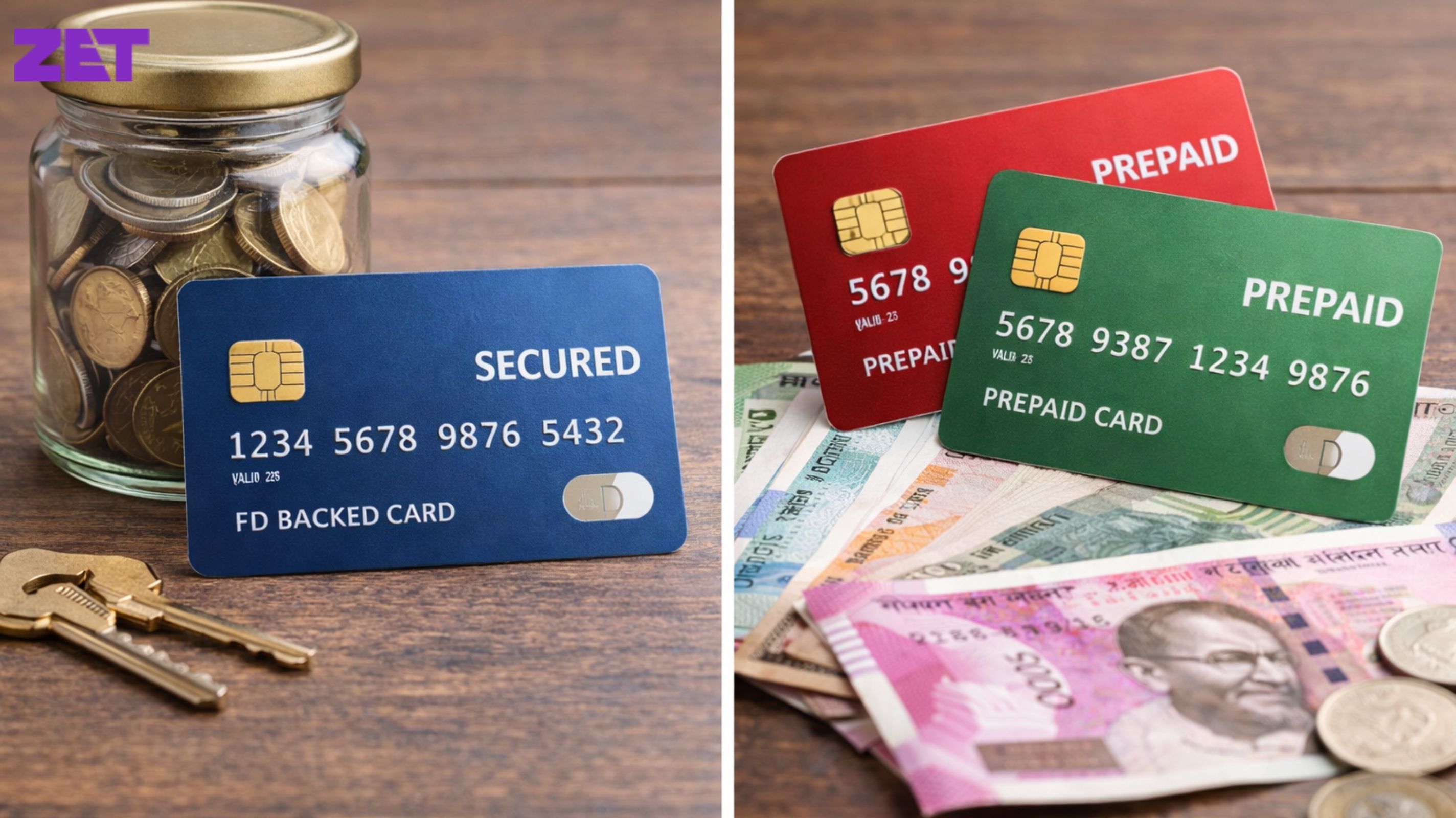
When people talk about sorting out their credit, you'll often come across the terms secured credit cards and prepaid credit cards. At a glance, they seem worlds apart from one another. Sure, both usually require you to put down some cash upfront, and they're often used by people who've struggled to get accepted for a regular credit card - but that's where the similarity ends.

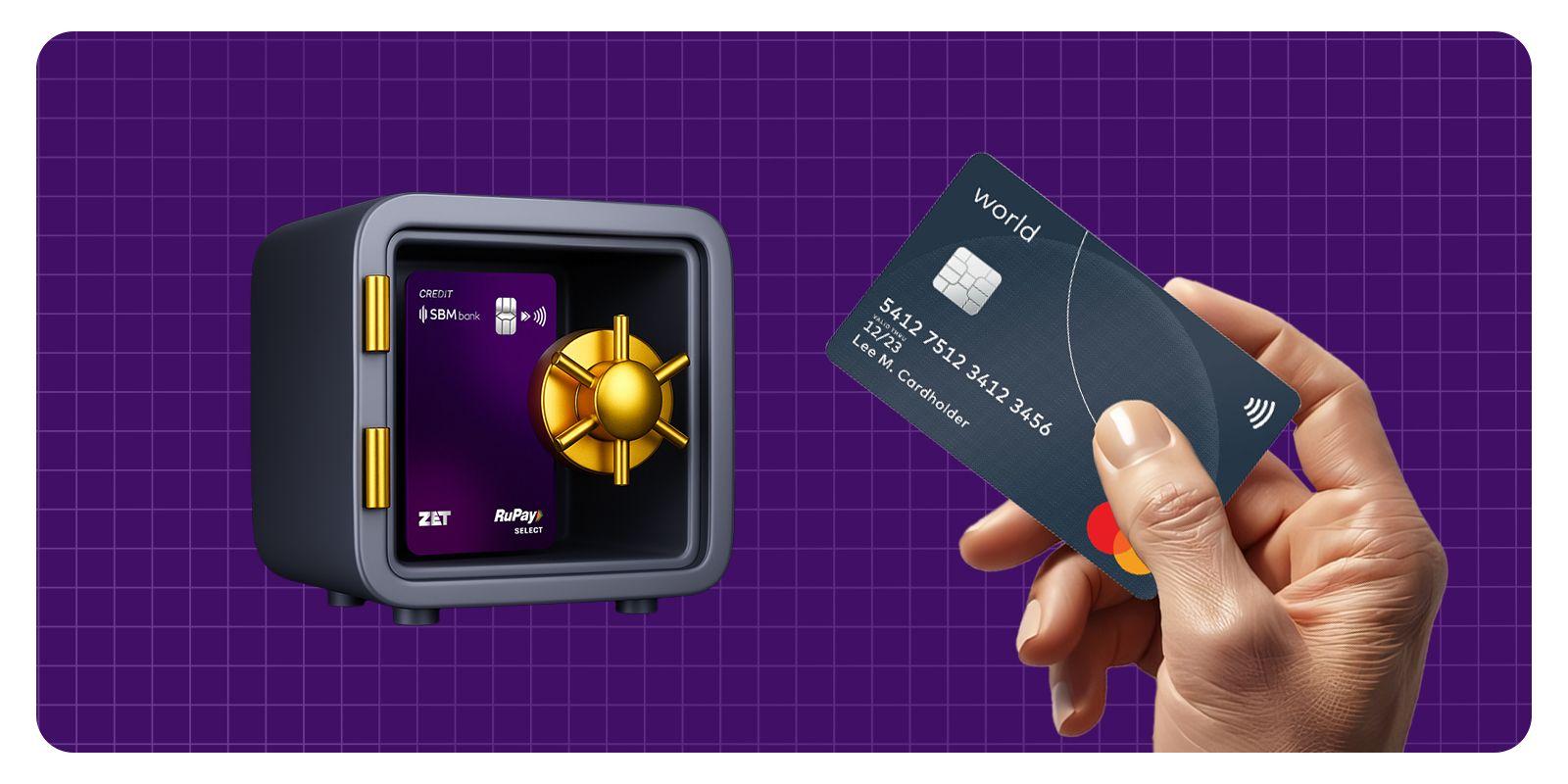
A secured credit card is simply a standard credit card that requires a refundable deposit to be made before it can be used. This deposit is basically a guarantee to the lender that you'll cover any debts you incur - and if you fail to pay up, they can use your deposit to claw back what's owed to them.
What makes secured credit cards actually worth having is that they work just like a standard credit card. You can use them to buy stuff online, subscribe to services, book your holidays and make in-store purchases. You get a monthly statement to keep track of how you're doing, a due date to pay by, and you can either pay off the whole lot or just the minimum amount.
Most importantly of all, secured credit cards will usually report back to the credit reference agencies. This means that how well (or badly) you manage the card will actually start to show up on your credit history, which is a big deal if you're trying to sort out your credit.
While the term may imply that it is a "credit" card, this is misleading since a prepaid credit card functions similarly to a reloadable debit card, allowing you to load money onto the card in advance and only spend as much as has been loaded before that transaction.
The difference from a regular credit card is that you're not able to borrow funds from the card issuer; all funds spent via the prepaid card are those already loaded by you. Because of the relationship between prepaid credit cards and a prepaid card issuer, there is no risk involved for the prepaid card issuer; thus, in most cases, no credit report is required for you to obtain a prepaid credit card.
Prepaid cards are used frequently by consumers wishing to manage their spending, prevent incurring debt, or do not have access to a standard bank account/saving accounts. In addition, many parents provide their teenage children with a prepaid card, while many travellers also use prepaid credit cards to manage their travel budgets.
Since prepaid credit cards do not allow you to borrow from the issuer, they do not create a credit history; therefore, prepaid credit cards do not report your activities to credit bureaus (Experian, TransUnion, Equifax) or help you to establish a credit history.
Also Read: How to Apply for a ₹2,000 FD Credit Card on ZET App: A Step-by-Step Guide?
The difference between secured credit cards and prepaid credit cards has to do with whether you're borrowing funds or using your own. If you have a secured credit card, you are borrowing funds even if you provide a security deposit.
You are borrowing money against your security deposit, so you will need to repay the money you use, or it will negatively impact your credit rating. With a prepaid credit card, you are not borrowing money. You cannot spend more than you have loaded onto the card, and there is no idea of ever going into debt.
This distinction has an impact on every area, from fees (if any) and interest rates (if any) to how the card will affect your financial future. Limit missed or late payments
Also Read: Can Students Get a ₹2,000 FD Credit Card? A Complete Guide
Using prepaid cards is very straightforward. There are several ways for you to put money onto the prepaid card: transfer from your bank account, cash deposit at a retail location that accepts the cards, or online deposit (or top-up). Once the prepaid card has money on it, you can use it wherever the issuer's card network supports it. When the prepaid card runs out of funds (i.e., when the balance is zero), you will not be able to use it until you add more money (e.g., you can't spend money on the prepaid card) to it. Prepaid cards do not emit monthly bills, incur interest, or charge late fees whenever you charge your purchases to the prepaid card.
Some companies that offer prepaid cards provide users with a mobile app to monitor their purchases, set spending limits, and receive notifications. This is helpful for budgeting purposes. However, using a prepaid card does not provide you with any of the protections associated with regular credit cards, such as special chargeback rights or insurance on eligible purchases.
Also Read: How a ₹2,000 FD Credit Card Helps Build Your CIBIL Score Fast
Secured credit cards serve individuals trying to build or rebuild their credit history. Examples of individuals who would benefit from using a secured credit card include:
1: Anyone without a credit history
2: Someone emerging from financial hardship
3: Any young adult starting out
4: Anyone who has been turned down for a regular credit card
If your ultimate goal is to qualify for better financial products like mortgages, loans, or premium credit cards, a secured credit card can be a stepping stone. Secured credit cards help build discipline, teach you about credit, and allow you to develop the ability to demonstrate reliability to potential lenders.
Also Read: ₹2,000 FD Credit Card Limit: How Much Limit Can You Get?
Utilising a prepaid card allows individuals who desire control over spending potential whilst also avoiding any risk associated with going into debt. Individuals who can benefit from prepaid cards are:
1: Individuals who struggle with/ are prone to overspending
2: Parents who would like to provide a level of financial independence to their children.
3: Travellers who are budgeting their trip
4: Individuals who do not have access to a traditional checking/savings account
In addition, prepaid cards may be used to help someone separate or segregate particular expenditures, such as creating a travel budget or setting up an online shopping account. However, if the goal is to improve an individual's credit score, then they will not accomplish this with a prepaid card; building credit takes place with a Secured Credit Card by building a financial credit history, providing proof of their ability to manage borrowed money responsibly through timely payments and maintaining a low balance on their account.
On the other hand, the use of a Pre-Pay Card will not allow for developing an account with a credit agency; you may use it perfectly for many years, and it will not improve your credit score. If building credit is the main goal of establishing a credit account, then these differences clearly define the better option.
Also Read: Best Credit Cards In India You Can Get On A ₹2,000 FD (2026 List)
The significant difference between a secured credit card and a prepaid card is that a secured credit card can lead to borrowing money on the card account (you have to pay off the balance later), while a prepaid card will not let you borrow any money (it just lets you spend what's already loaded onto it). With a secured credit card, you usually have to make a refundable deposit to use the card and then pay back what you spend, just like with any other credit card. When using a prepaid card, all purchases will come from available funds already deposited on the card.
A Secured credit card is an ideal option for individuals looking to establish or build their credit history. This is largely because most secured credit card issuers report the cardholder's payment history to major credit bureaus, thus allowing cardholders to build a credit history. Conversely, a Prepaid card does nothing to help a cardholder establish a credit history or enhance a credit score, as prepaid cards have no borrowing component or credit extension.
Both Secured and Prepaid cards typically require the cards to be funded up front. While secured credit cards require their cardholders to provide a refundable deposit to guarantee the lender, prepaid cardholders are required to load money onto their cards ahead of time in order to use (or spend) that money.
To avoid going over your limit on a secured card, you must carefully keep track of your transactions. With a prepaid card, you cannot go over your limit, because the amount of money you can spend is limited to what has been previously loaded onto the card.
Most secured credit cards charge an interest rate on any balance that is not paid in full by the due date. A prepaid card does not charge interest, since there is no money borrowed associated with a transaction. However, even if a prepaid card does not charge you interest, it may incur service and/or maintenance fees.



Contact

care@zetapp.in
Social


Build and Maintain a 750+ Credit Score