January 21, 2026 · 5 mins read
Santosh Kumar
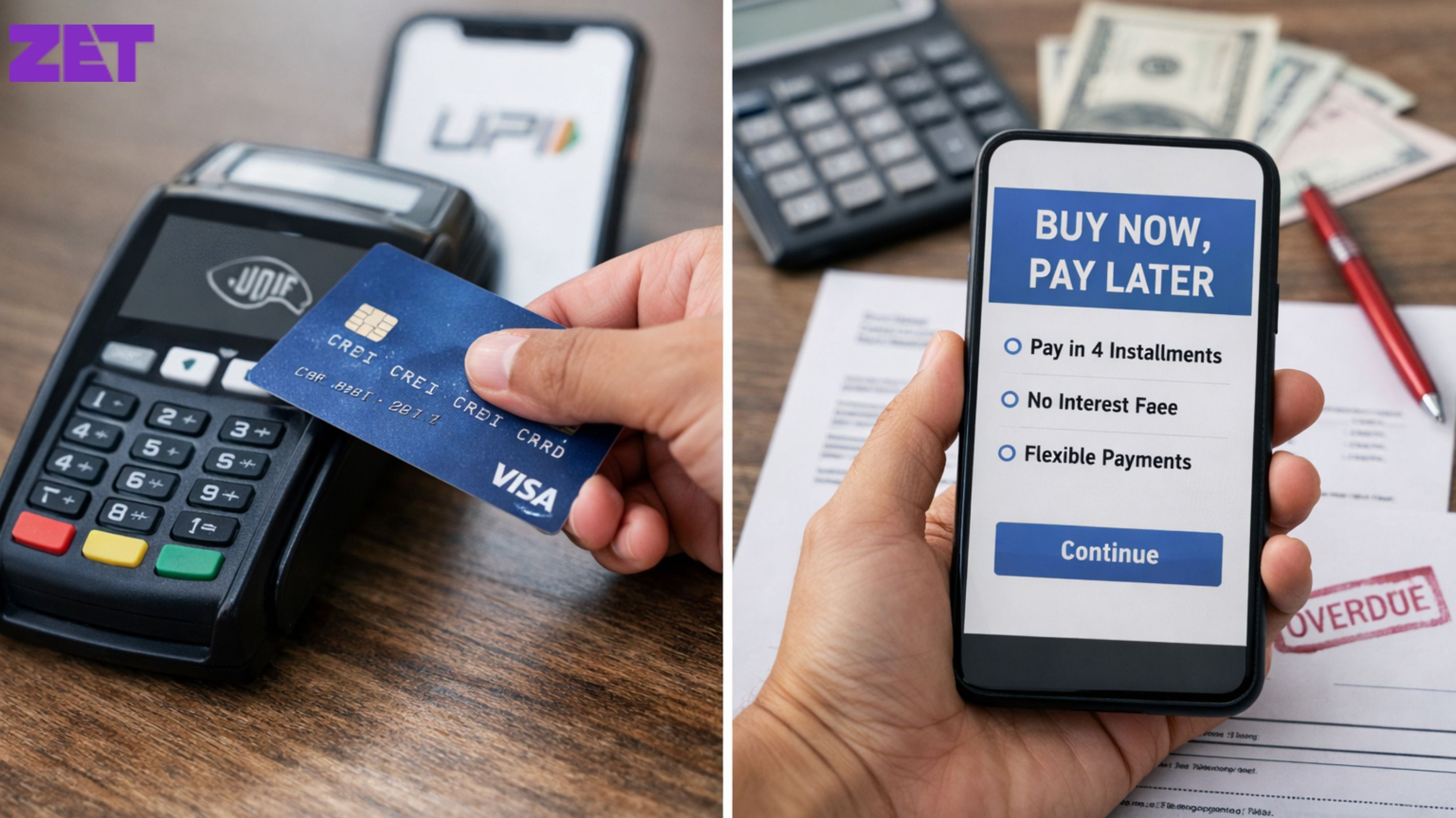
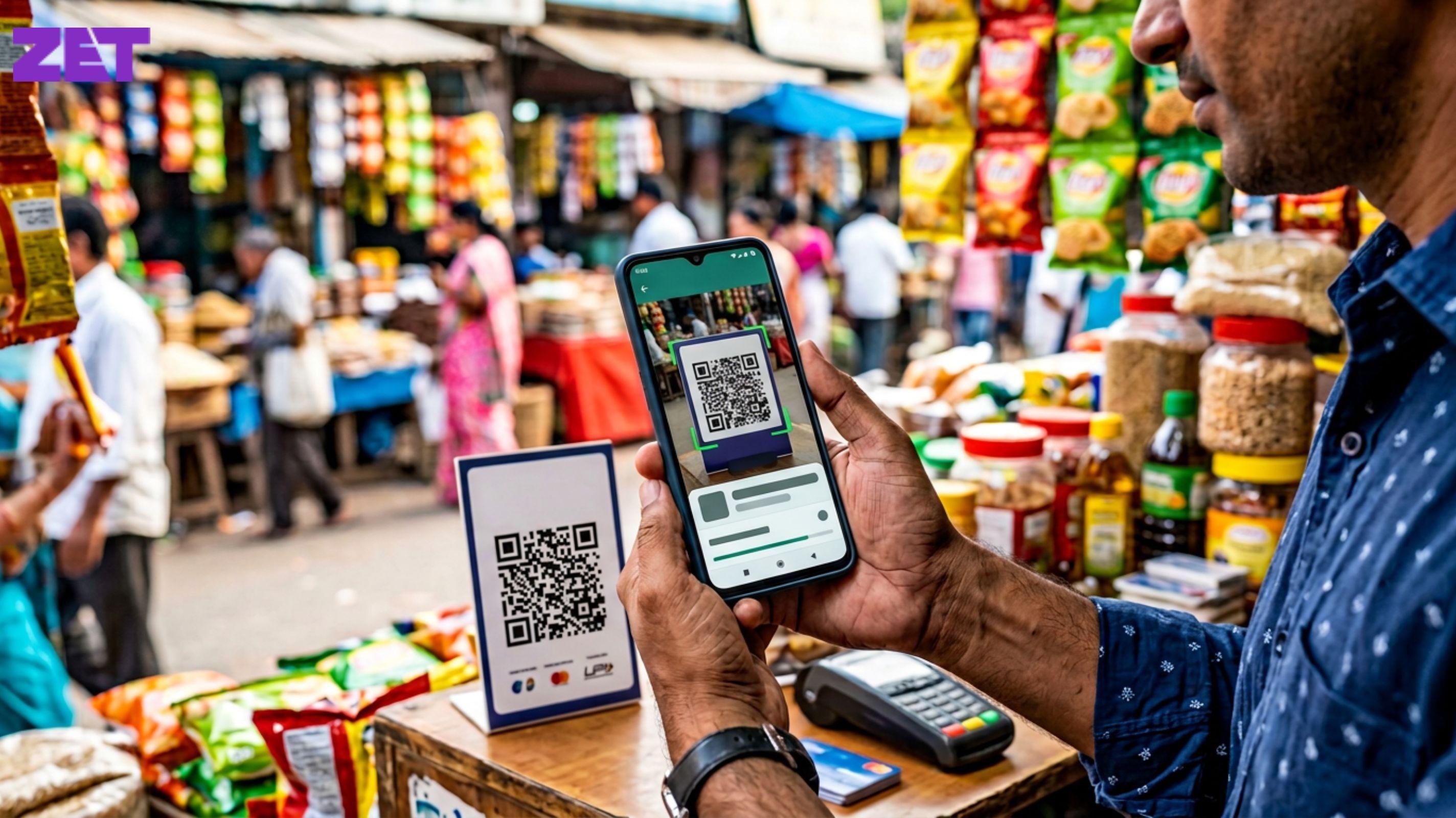
Compared to the majority of BNPL applications, UPI credit card payments have shown a general trend toward being a safer payment option. However, this can only be said if one understands how "safer" is being defined. In the categories of regulatory oversight, data protection and dispute resolution, UPI-linked credit cards are protected by the same laws that protect a traditional card transaction from fraud. Some of these protections include strong authentication requirements, encryption methods, and established grievance resolution mechanisms. The Reserve Bank of India regulates the majority of credit card issuers in India. In doing so, this creates an additional level of security for the credit card holders.

From the perspective of protection from unauthorised transactions, UPI credit card payments generally offer greater security features. If an unauthorised transaction takes place, the bank and card network will typically provide a clearer process for disputing it as well as provisional credits during an ongoing investigation. On the other hand, many BNPL applications work in conjunction with other companies; consequently, BNPL applications may struggle to provide structured consumer protection services consistently to all customers. There is a clear movement toward improving consumer protection laws within the space; however, it is still developing, and the timelines for resolution vary significantly from company to company.
Transparency is a key component related to the safety of a payment method. With credit cards through UPI, a customer can view at any time the amount that he/she owes, the billing cycle and when the payment is due. This allows the customer to easily keep track of the amount owed and when it is due. BNPL may seem very easy to manage when a customer is only making one purchase, but it can create a significant amount of confusion for a customer who has multiple purchases on multiple BNPL providers.
Another key component of the safety associated with credit cards vs. BNPL providers is that credit card payment methods have been established through many long-standing, internationally recognised security protocols, including tokenisation and two-factor authentication. For almost all credit card transactions made through UPI, there are a number of different levels of strong verification to minimise the chances of fraud being committed with a cardholder's credit card.
Also Read: Documents Required for GST Registration for Different Business Types
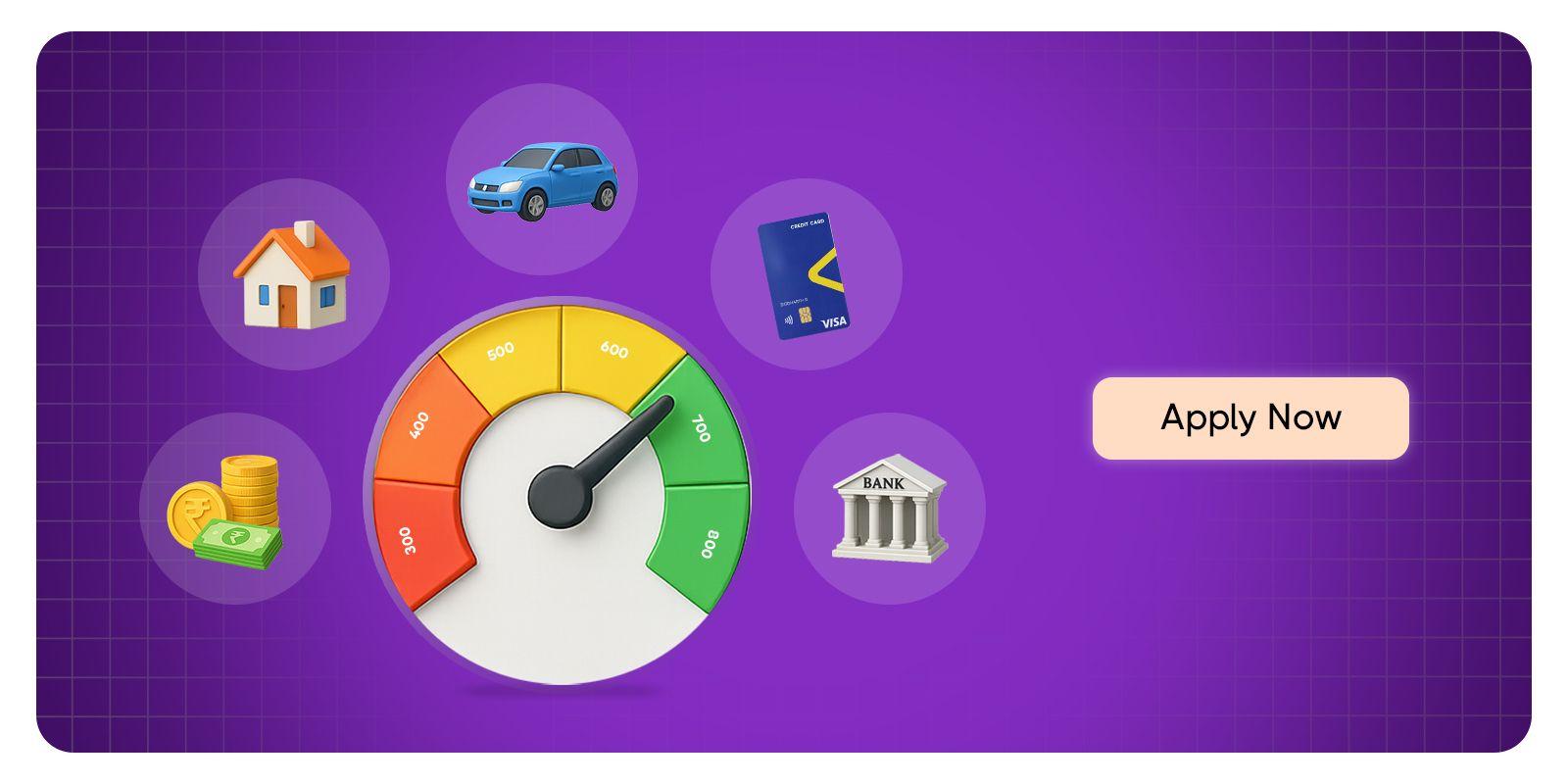
BNPL providers all use varying levels of security measures, and while a large number of them are very secure, not all use the same age-old security protocols that credit card payments utilise. In addition to fraud and data safety, safety also includes the financial safety associated with the way the credit card or BNPL payment method will affect the customer’s ability to pay the way he/she uses that method. If customers do not use UPI credit cards in the appropriate manner, it can negatively affect their credit utilisation and credit score, whereas some BNPL apps do not report to credit bureaus. The differences between how each type of payment provider will affect the customer's credit score may be viewed as advantages or disadvantages.
Also Read: GST for E-Commerce Sellers: Rules & Compliance Checklist
When comparing credit card payments made via the UPI platform to BNPL apps, one can conclude that credit card payments via UPI are more secure from both the regulatory and dispute resolution perspectives as well as the level of security associated with transactions. Although BNPL applications may provide convenience for their users, users of these applications should carefully review the conditions under which credit is extended, how data collected during the use of the application is stored and reported on, how disputes regarding the account are handled, and the consequences of missing a scheduled payment or when a payment fails.
Some platforms like ZETAPP are designed to help users better comprehend how credit-based payment systems operate, as well as to provide users with the ability to manage their responsibilities for paying back the money borrowed through the service and monitor their spending.
Also Read: What is UPI 2.0?
UPI Credit cards through BNPL will generally give you the same protections (Chargeback Rights, Formal Dispute Process) you would receive from Credit Cards.
In terms of security, some BNPL applications may be more secure than Credit Cards due to their business models; Others may not have the same level of Regulation or Dispute Resolution Procedures as Credit Cards.
Both options can help you build a credit profile, although UPI Credit Cards promote responsible use while BNPL services do not always report transactions to the Credit Bureau.



Contact

care@zetapp.in
Social


Build and Maintain a 750+ Credit Score