February 11, 2026 · 5 mins read
Santosh Kumar
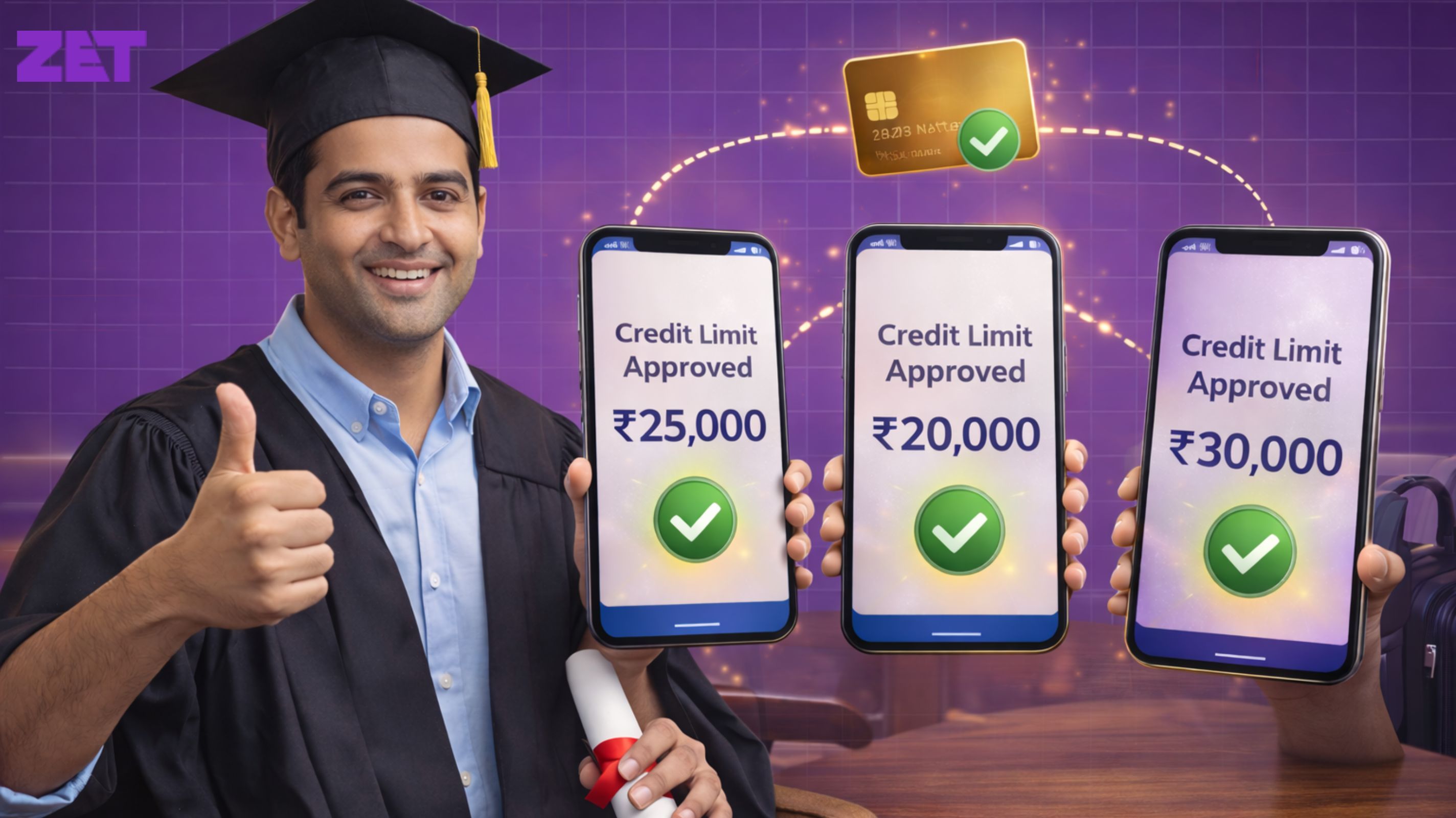
For new grads entering the workforce, securing a credit card can be unexpectedly challenging. Even for graduates with top grades and bright futures, most are being denied for no credit or a thin income verification. Conventional banks tend to lean on historical repayment data, which nearly all first time earners lack. This divide has given rise to digital lenders crafting credit offerings for young professionals and new grads.

Although everything that says “guaranteed approval” should be trusted with a grain of salt, a number of online lenders now provide almost guaranteed approval for graduates who qualify under minimal requirements. They use alternative data, digital verification and simplified onboarding to understand creditworthiness instead of salary slips or years of employment.
Banks evaluate risk prior to providing any credit product. For new graduates, the key obstacle is the lack of a credit score. If you don’t have prior loans or cards, they have no repayment behaviour to assess. On top of that, many graduates start work with internships, or probation periods, or fluctuating income, which makes qualification even harder.
Digital lenders solve this issue by pivoting away from historical credit behaviour to current ability and future income potential. They might look at education, or type of employer, or bank account activity, or spending patterns, or even mobile usage data in order to approve. That has brought credit cards more within reach of young adults starting their careers.
Also Read: How to Apply for a ₹2,000 FD Credit Card on ZET App: A Step-by-Step Guide?
Online lenders have less overhead and more sophisticated data analytics. Their all-online flows enable fast KYC, real-time decisioning, and accelerated card issuance. A lot of platforms also tie up with banks/NBFCs to get co branded/ RuPay based credit cards that enable digital payments and UPI integration.
For recent grads, they frequently provide entry level cards with low credit limits. While the limits might be lower at first, they increase with good usage. This minimizes risk for the issuer and provides graduates with a hands-on method to develop a robust credit profile. Sites with good acceptance rates for new grads
Some online platforms are particularly graduate friendly. ZET Credit Card is one of the popular options for young users. ZET collaborates with existing banks and makes it easy by comparing cards and enabling users to apply online. For fresh graduates, ZET targets fundamental eligibility criteria and rapid validation, facilitating approval more than conventional bank pathways.
Also Read: Can Students Get a ₹2,000 FD Credit Card? A Complete Guide
OneCard is another hit digital card with its metal design and app based controls. Although not specifically advertised as a sure thing, it’s one of the easier cards to get approved for as a first time cardholder, including graduates. Approval relies on simple KYC and internal underwriting instead of voluminous income verification.
IDFC First Bank too serves digital credit card to young professionals. Several versions will qualify limited credit applicants, particularly backed by consistent banking activity or employment verification.
fintechs which have secured credit cards with fixed deposit as backing, have almost guaranteed approval. While these do need to be funded with a deposit in advance, they are popular for grads seeking that peace of mind of guaranteed acceptance as they begin to establish credit responsibly.
Also Read: How a ₹2,000 FD Credit Card Helps Build Your CIBIL Score Fast
No reputable lender will guarantee approval. Approval remains contingent on minimum criteria such as age, a valid ID and KYC norms. What online applications provide instead is routine acceptance for candidates who fulfill explicit standards.
New grads beware of sites boasting no checks whatsoever. Trustworthy lenders are upfront about qualifications and have clear terms on interest rates, fees and repayment conditions.
ZET Credit Card, OneCard or an entry-level digital card from a bank such as IDFC First Bank have been identified as appropriate for new graduates, with a minimal credit history, these platforms typically perform less of a credit assessment and rely more on a digital verification process (which makes them accessible to these first-time users).
There is no credit cards that are completely "risk-free." While it may be easier to receive approval, the user is still responsible for repaying the debt, missing payments can negatively impact an individual's credit score as well as result in penalty fees.
Timeframes for approvals will differ among lending platforms; however, most digital lending platforms will provide an instant or same-day decision once information for Identifying Compliance (KYC) is completed. Virtual cards may be issued immediately, while a physical card will take several days to be processed and shipped.



Contact

care@zetapp.in
Social


Build and Maintain a 750+ Credit Score