February 11, 2026 · 5 mins read
Santosh Kumar
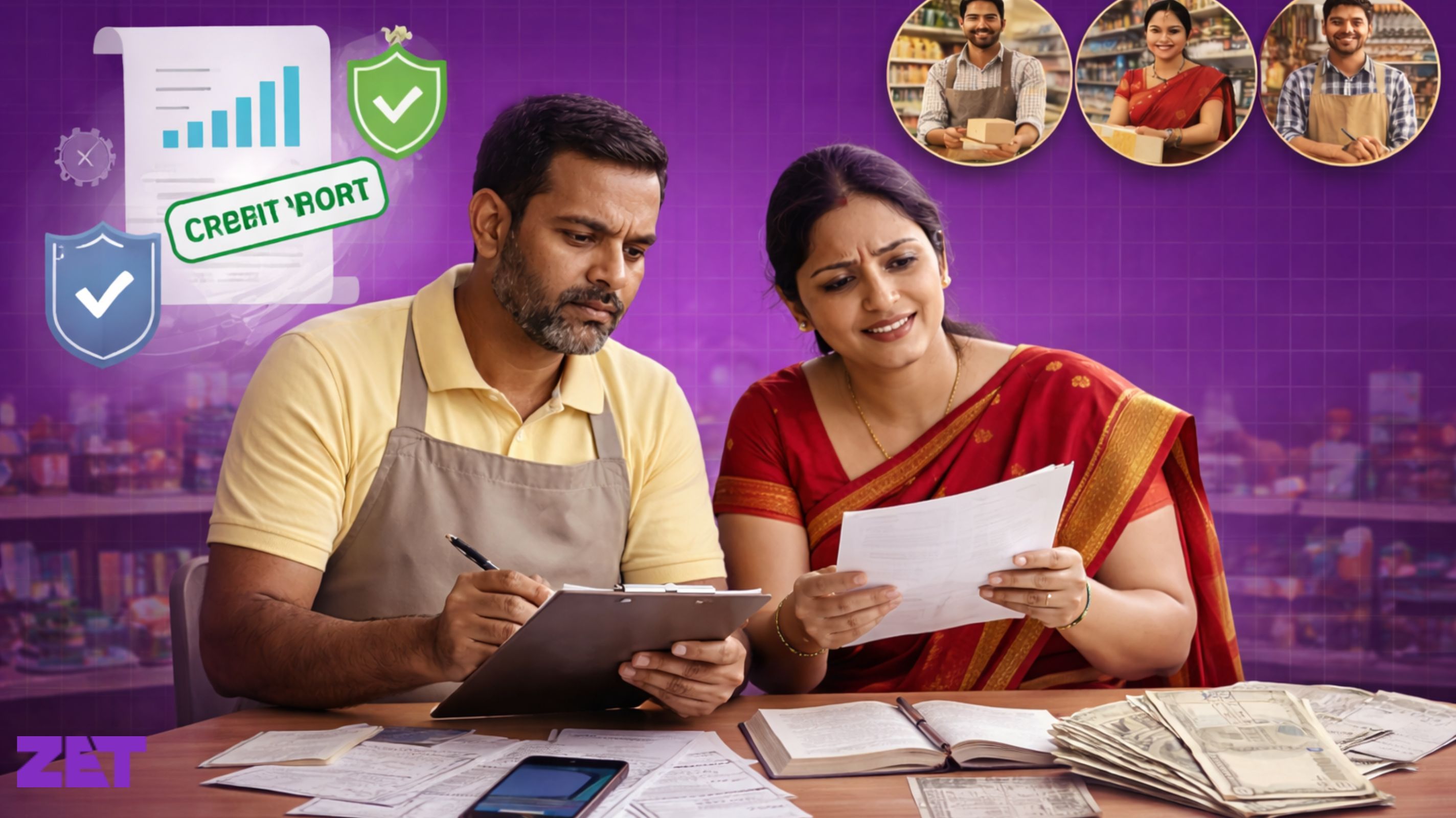
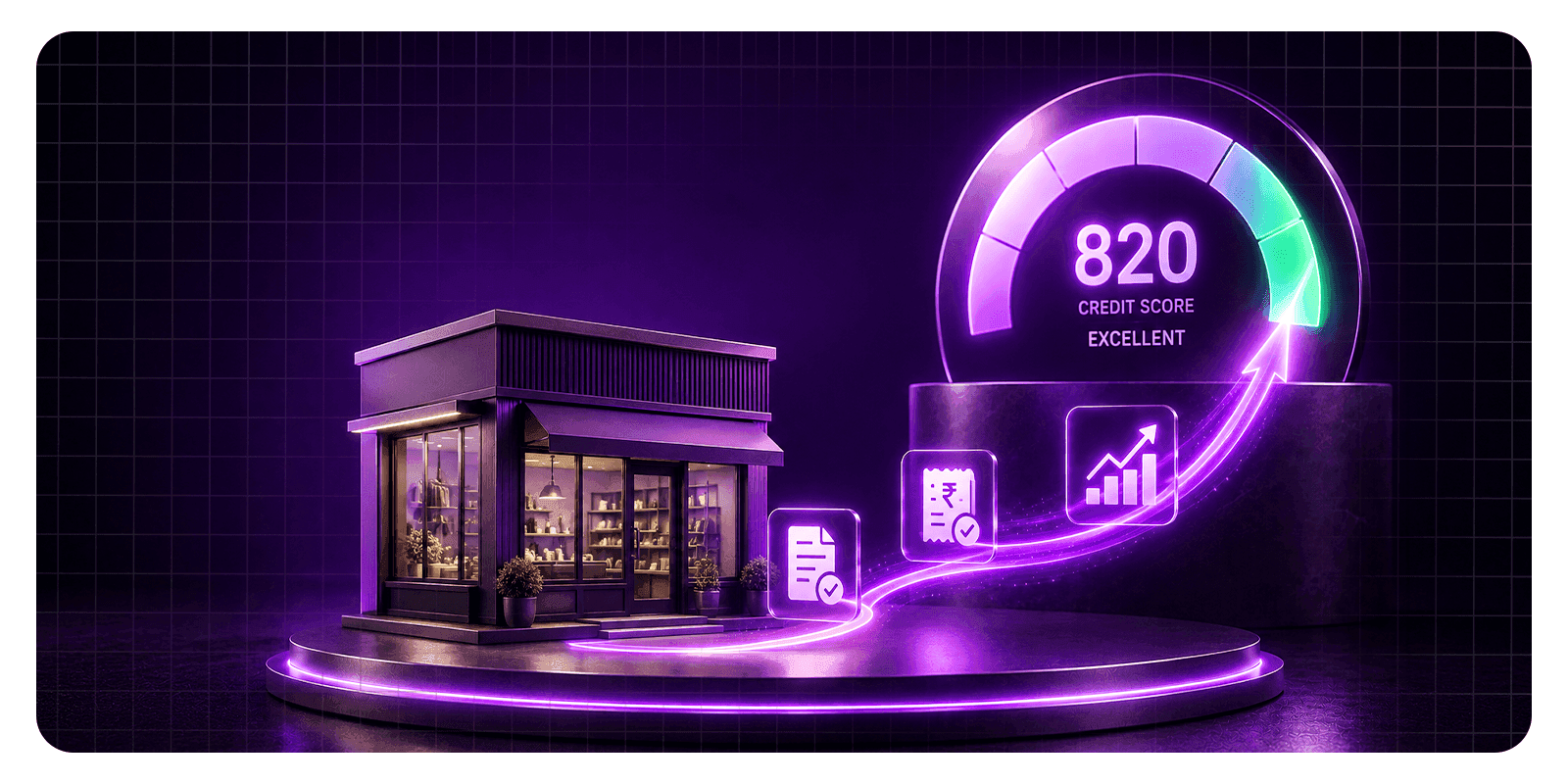
The cornerstone of local economies throughout India, small shop proprietors dominate neighborhood bazaar and semi-urban economies. Although shopkeepers enjoy regular daily cash flows, securing formal credit is difficult for many. One of the major obstacles is paperwork. Other conventional banks would sometimes ask for income proofs, audited statements and extensive financial records that small business owners didn’t have. As a result, even economically responsible shopkeepers are unbanked. Credit builder programmes with flexible documentation requirements are now filling this void.

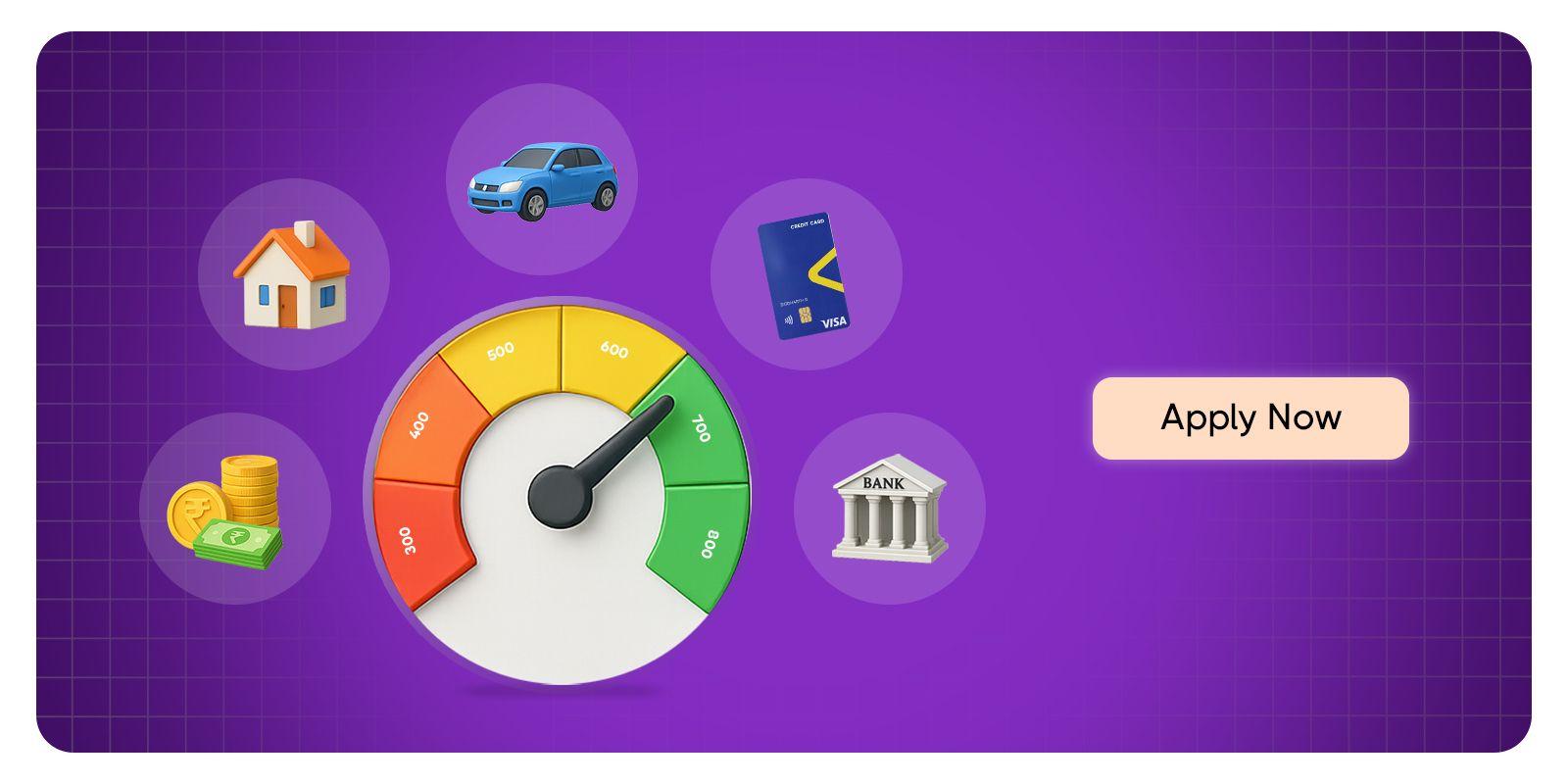
What are credit builder programmes? Rather than looking solely at income papers, these programmes consider repayment behaviour, transaction patterns and payment consistency. For store owners, this method is infinitely more practical. Routine supplier payments, utilities and card payments build enough data to give an indicator of creditworthiness.” These programmes allow shopkeepers to begin small and accumulate trust with lenders, and eventually open up larger credit limits.
Meanwhile, alternative data in lieu of physical documentation is now accepted by various digital lenders. They depend on our mobile use, our banking history and our online spending habits. This change has benefited shop owners, who frequently use UPI or point of sale machines. Pay later or small working capital credit line services usually report repayment behaviour to credit bureaus. Over time, reliably repaying chips away at the lenders’ trust in you bit by bit—building that credit history, even without income confirmation documents.
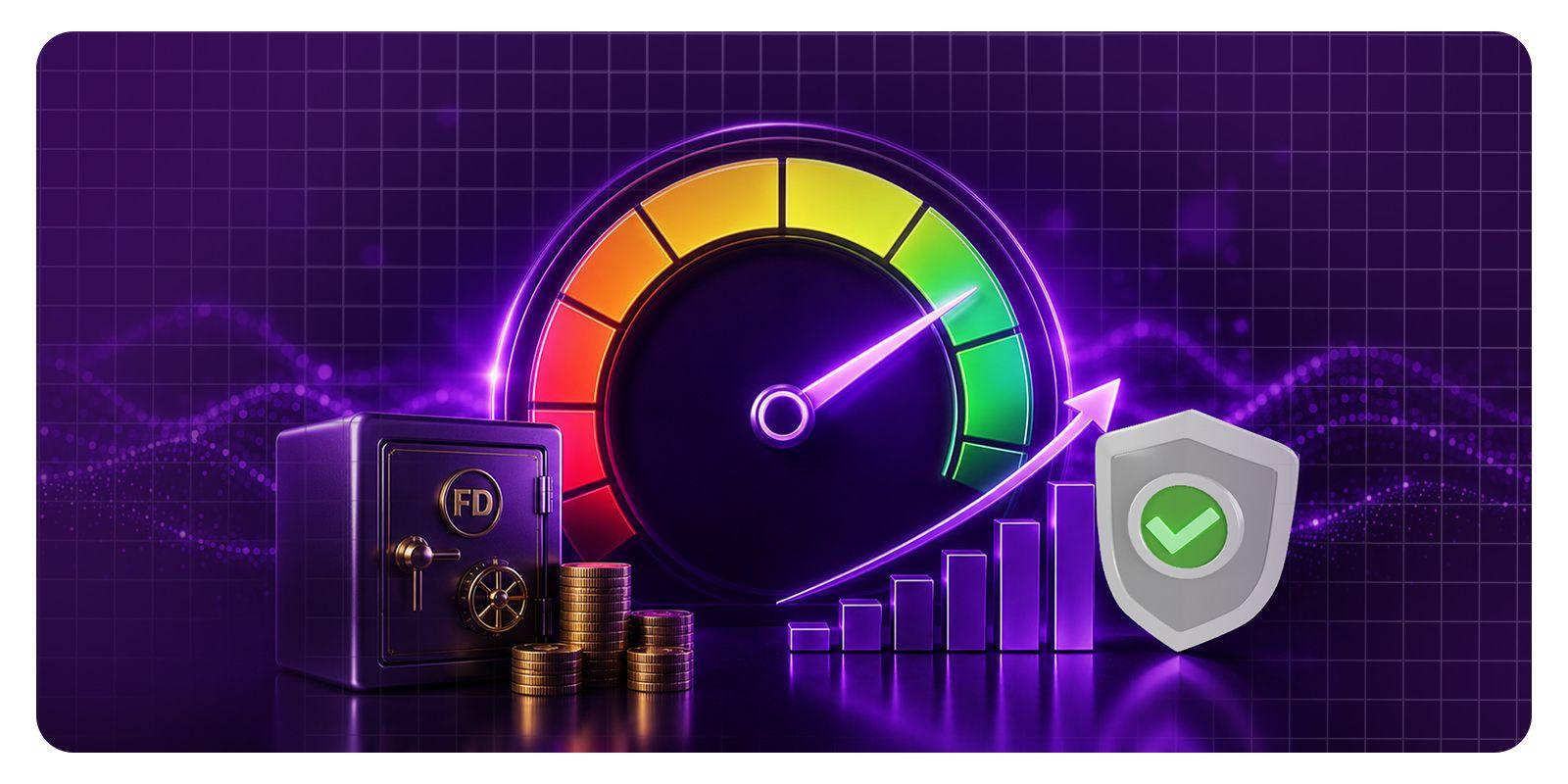
Secured credit products remain vital for shop owners’ credit-building. Fixed deposit backed cards and small secured lines enable consumers to prove responsible usage while keeping lenders’ risk to a minimum. They’re more readily available and documentation-poor After a repayment history has been built up, shops can progress to unsecured credit. Such a staggered approach is critical for sustainable financial inclusion.
Also Read: Best Credit Cards In India You Can Get On A ₹2,000 FD (2026 List)
The ZET Credit Card portal has been a handy alternative for some who want guided access to cards. ZET also helps users find credit cards matching their profile, from beginners cards to secured ones. For shop owners with scant documentation, ZET provides guidance on eligibility and advantages, no convoluted referrals though. By responsibly churning a credit card via ZET-accessed platforms, shop owners could build their credit scores and later qualify for lower finance例如.
Also Read: How to Create a UPI QR Code for Your Shop or Business?
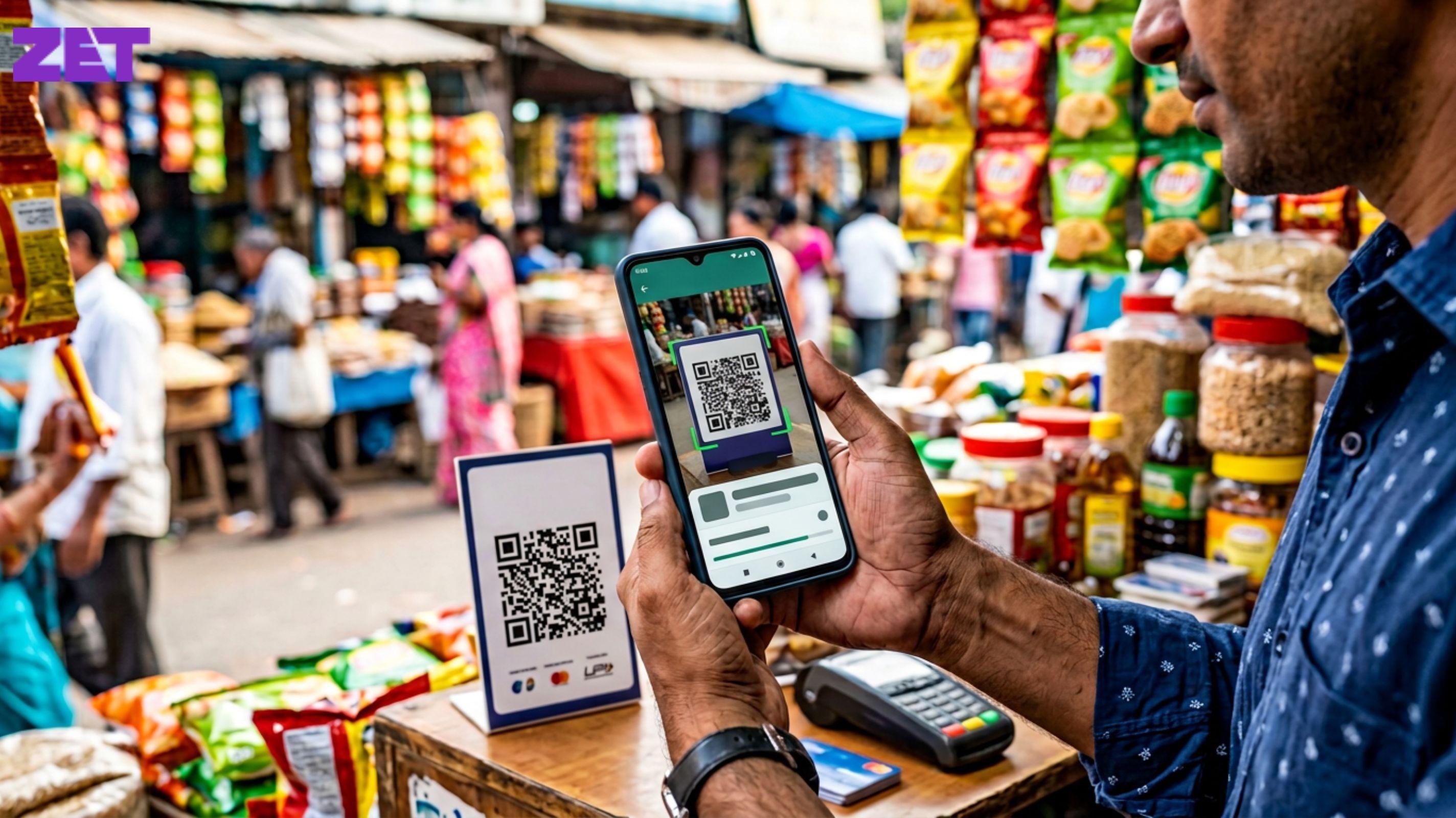
Adoption of digital payments has greatly improved credit history for shopkeepers. Frequent transactions and QR code payments on UPI apps and digital wallets create a traceable paper trail. Credit builder schemes are increasingly dependent on this data to gauge stability and cash flow behaviours. Shopkeepers who regularly receive and make digital payments are considered lower risk borrowers. This paves the way for small credit lines which expand over time as repayment history gets better.
Although easier access to credit is a good thing, being sensible in how you use it is important. Shopkeepers should borrow what they can easily afford to repay, and pay on time. Late repayments can damage credit ratings and close doors later on. Keep an eye on your credit reports and billing cycles too. When used carefully, credit builder schemes not only open the door to loans, credit cards, and increased faith from lenders, but also strengthen your financial credibility with suppliers and banking institutions.
Also Read: UPI vs Wallet Payments: Which One Should You Use?
The boom in low-documentation credit builder schemes is changing the way small shopkeepers do finance. These solutions acknowledge actual business practices rather than inflexible paperwork requirements. With mobile first platforms, digital payment data and guided credit tools such as the ZET Credit Card, shopkeepers have finally viable gateways to formal credit. This change encourages business growth, stability and ongoing financial freedom.
There are a number of credit builder programs that utilize different types of "alternative data," including bank account activity (transactions) digital payment histories and payment history versus using traditional documentation to verify income.
If credit cards are used for building personal/business credit responsibly, the owner will have the opportunity to build a credit history and have short term access (liquidity) to cash. Entry level credit cards are available directly through a credit card company like ZET Credit Card platform to help first time users access credit.
Digital payments provide lenders with a form of "cash flow stability" through their consistent use, which allows the shop owner to obtain credit with limited documentation



Contact

care@zetapp.in
Social


Build and Maintain a 750+ Credit Score