December 22, 2025 · 10 mins read
Santosh Kumar
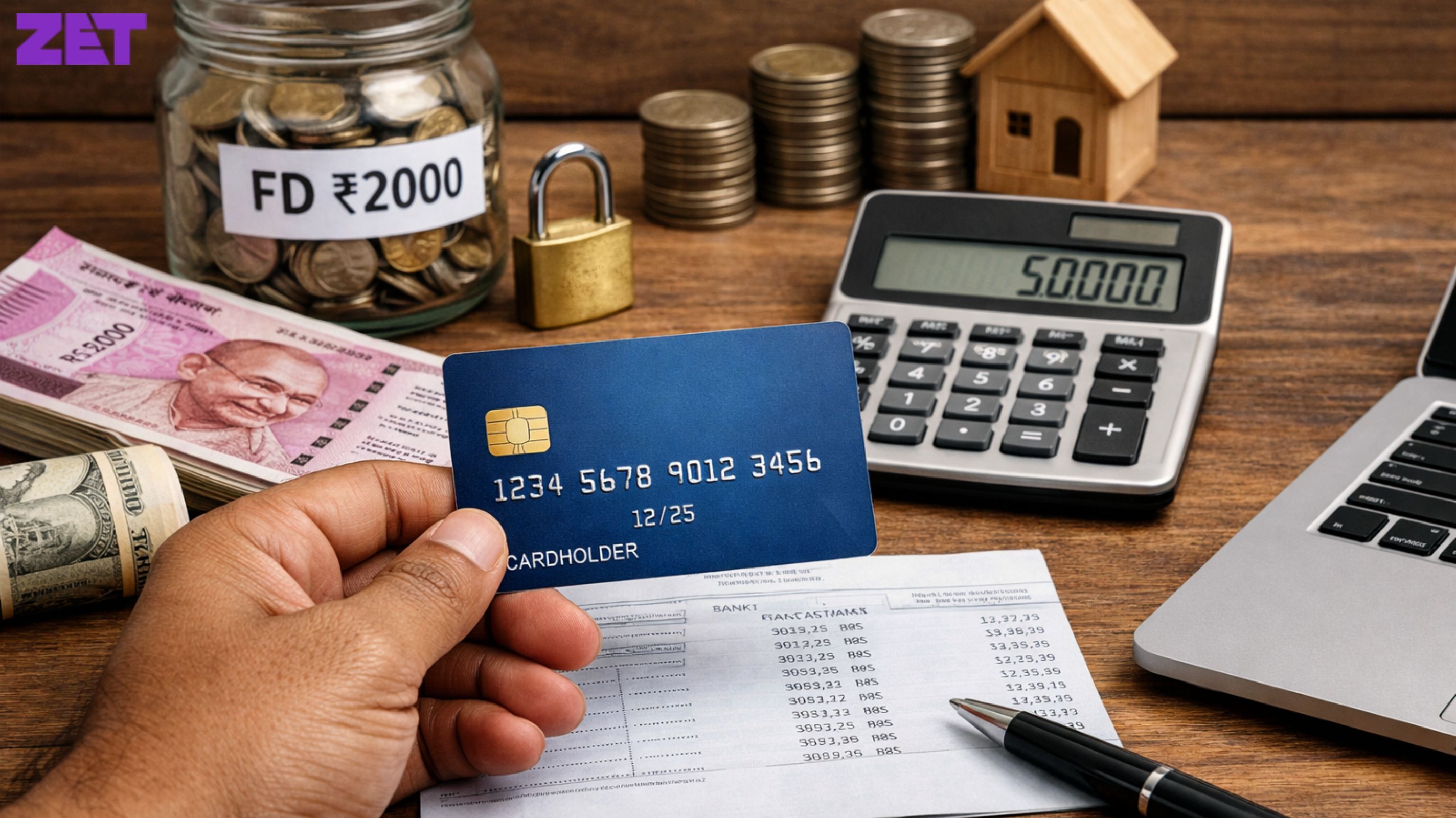
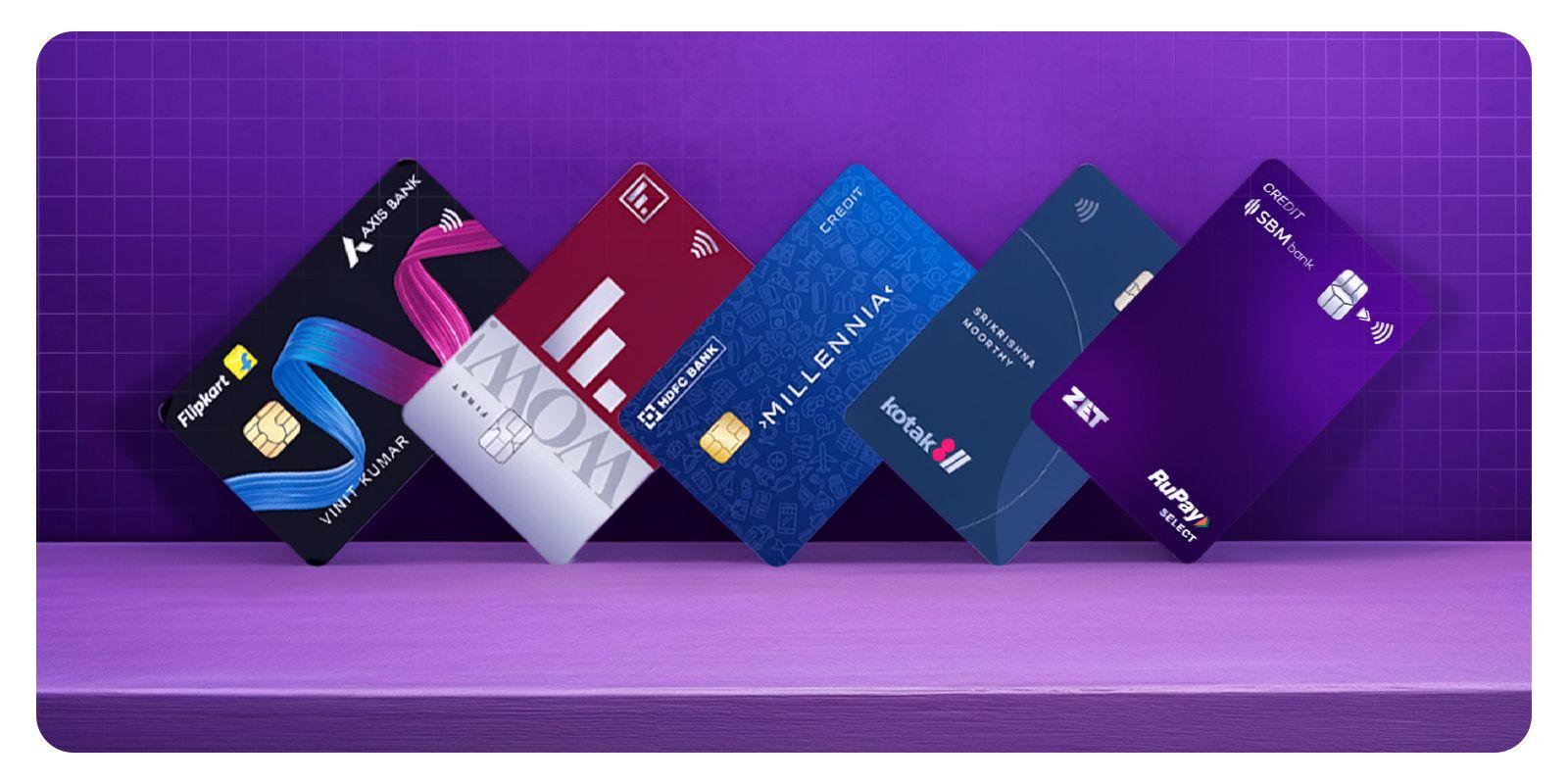
For so many Indians, credit card ownership seems like an elusive dream. Students, freelancers, homemakers and first-time earners frequently fall short of income requirements or get rejected for no credit history. That’s precisely where fixed-deposit-backed credit cards come in. They aim to provide credit entry without the typical obstacles, and some launch with an impressively low deposit.

One of the most searched questions today is about the ₹2,000 FD credit card limit. Individuals want to find out what the maximum credit limit they can expect is when they open a credit card against such a minuscule FD amount. It’s not always as simple as you think since credit limits are based on a number of factors such as bank policy, card type and usage behaviour. But knowing the logic of FD-based credit card limits can help you make smarter decisions and develop reasonable expectations.
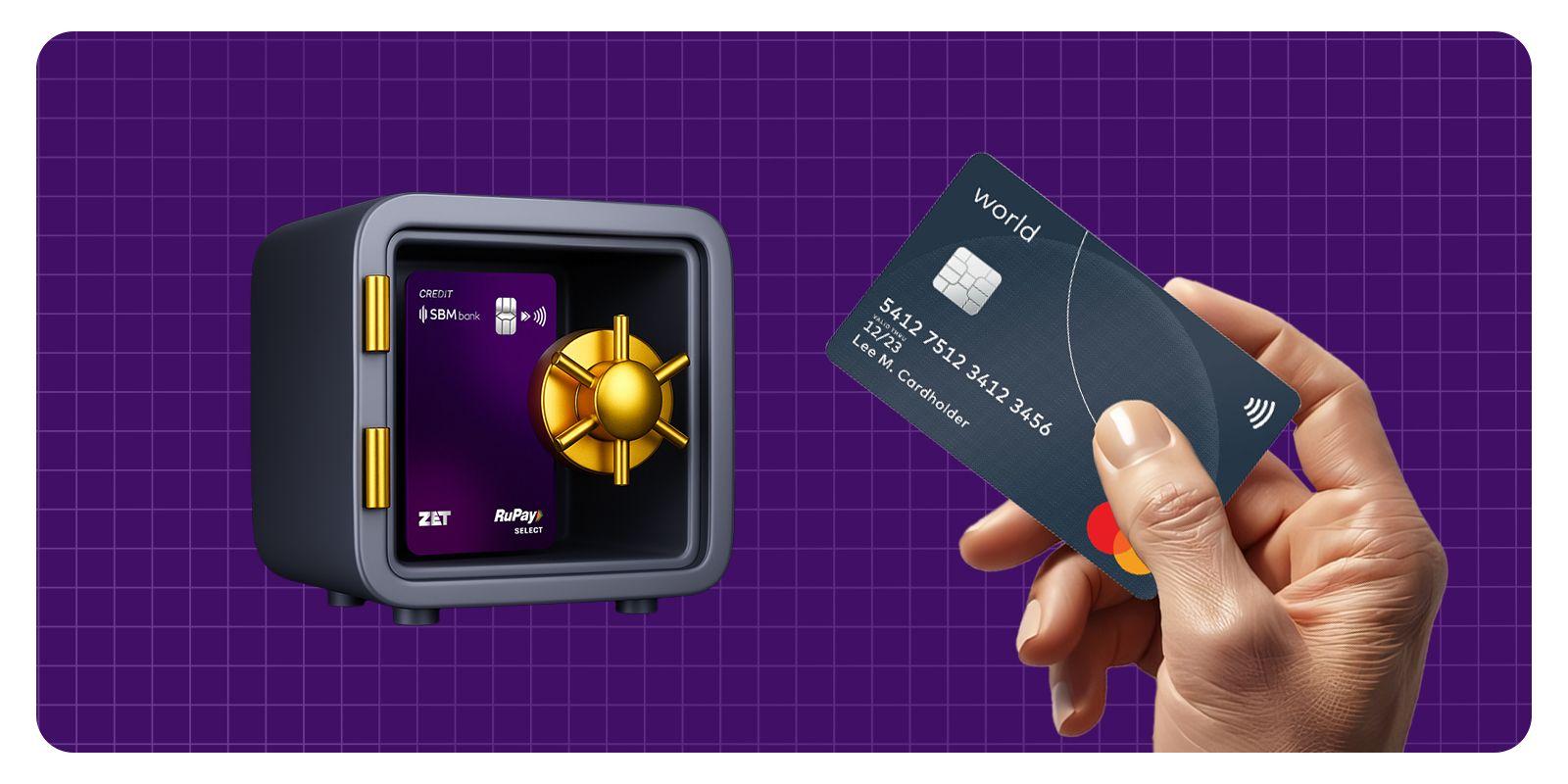
FD based credit card is in fact a secured credit card issued against a fixed deposit you place with the bank. That fixed deposit becomes your collateral. Since the bank already has your money, it assumes far less risk, which is why it’s easier to get approved even if you don’t have any income or credit history.
But unlike unsecured credit cards, where the bank determines your limit based on income, employment stability and credit score, FD-based cards rely primarily on the traditional fixed deposit value. which makes them perfect for newbies and credit builders.
A small FD credit card limit in India is directly linked to how much money you lock into the fixed deposit. The bank then uses this figure as a starting point to determine your credit limit.
Also Read: Best Credit Cards In India You Can Get On A ₹2,000 FD (2026 List)
When you open a credit card against an FD of ₹2,000, the bank won’t typically provide you with a credit limit that’s higher than the FD amount. Rather, the majority of banks provide a percentage of the FD value as your credit limit.
So often, the limit is between 75% and 100% of the FD. That implies that for a ₹2,000 FD, your credit limit would be somewhere between ₹1,500 and ₹2,000. A few banks might limit it marginally less, some will limit it to the exact FD value.
This computation serves as a kind of internal safety valve. If you do not pay your dues, the bank can recover them from your fixed deposit. That’s also why banks don’t mind extending credit cards at deposits that are this low.
If you are looking for an easy way to estimate your limit, an FD-based credit card limit calculator works on the same principle. You just times your FD amount by the bank’s % to get a rough limit.
Also Read: How to Get a Credit Card with Just a ₹2,000 FD in India
Applicants often ask why banks do not provide higher limits even if the FD is safe. The reason is simple. The ₹2,000 fixed deposit caps the bank’s risk, and the credit card is intended to be a constrained educational instrument, not a high-spend opportunity.
Banks also look at usage behaviour, repayment discipline and account history prior to elevating limits. At the low end, it’s about educating customers to use credit responsibly rather than racking up big purchases.
For new users, this limited exposure is actually helpful. It stops overspending, controls interest costs and promotes good habits from the start.
Also Read: How to Create a UPI QR Code for Your Shop or Business?
A ₹2,000 credit limit might appear too insignificant to be helpful at first. But the true worth of a secured credit card isn’t in how large a limit it offers — it’s in what it makes possible.
Even with a low limit, you can utilise the card for daily expenses like mobile recharges, subscriptions, online and utility payments. These frequent payments develop a predictable credit utilisation history, which is precisely what credit agencies value.
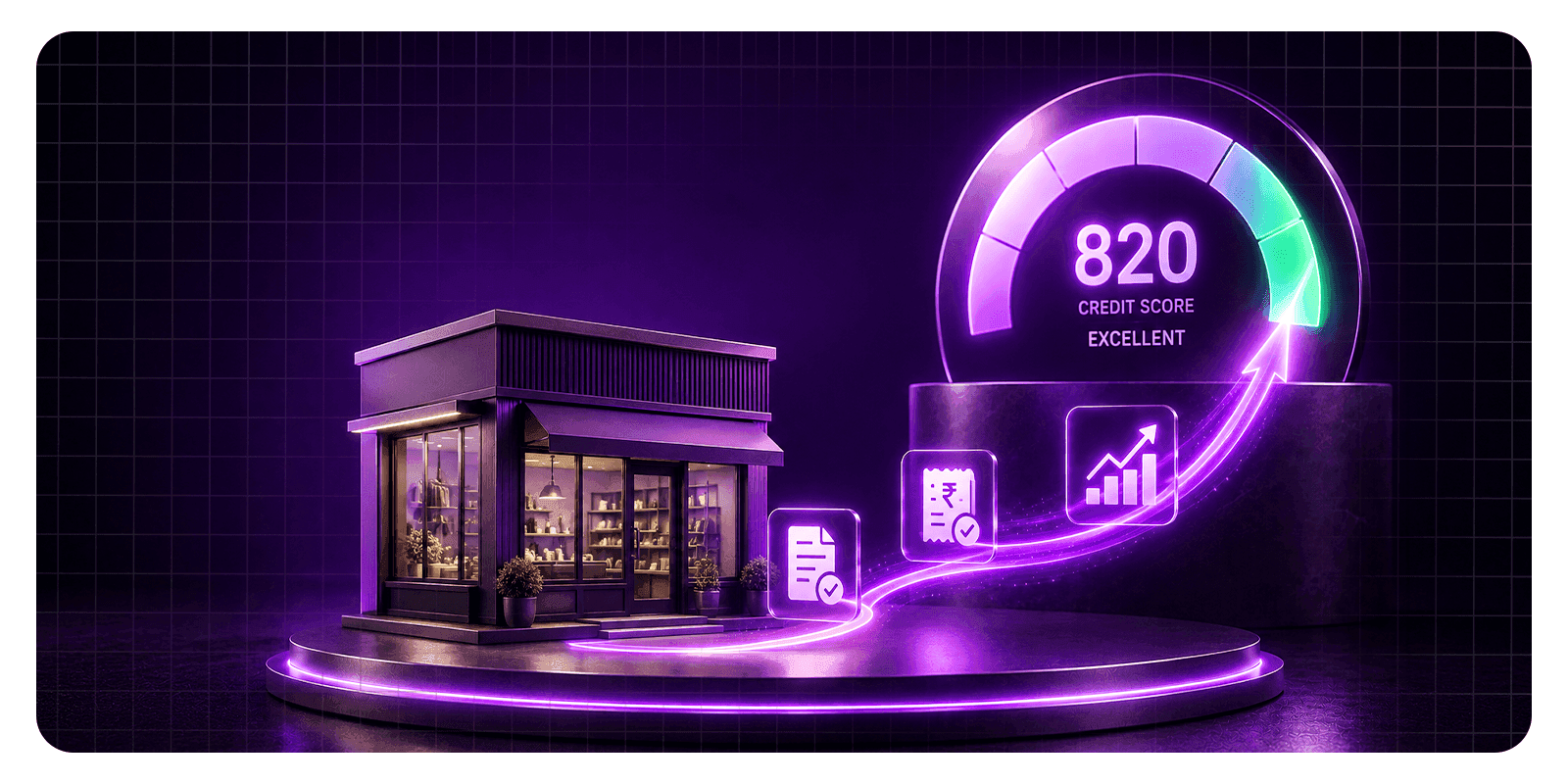
And over time, that consistent usage and on-time payments create a robust repayment history. This is what increases your credit score and reveals opportunities to higher-quality credit products down the road.
Also Read: How to solve ‘UPI ID Not Found’ error?
A ₹2,000 FD credit card is apt for individuals who are credit newbies or have been denied because of low/no credit. Fresh eighteen-year-old college students are a classic example. Freelancers and gig workers without fixed monthly pay stubs can also gain.
It’s also a pragmatic choice if you’re trying to fix a broken credit score. Since approval isn’t based strongly on your credit history, FD-based cards provide you with a new opportunity to establish lender confidence.
For these users, the 2000 FD credit card limit is not a drawback but a stepping stone.
Also Read: UPI vs Wallet Payments: Which One Should You Use?
Fintech platforms have been instrumental in helping make FD-based credit cards more accessible. One such example is the ZET Credit Card, which works with banking partners to help users discover credit cards suited to their eligibility.
ZET, on the other hand, targets first-time credit users, helping them navigate the process — it explains how FD-backed credit cards work and how responsible use can, over time, help increase your credit score. Although the ZET Credit Card itself might not necessarily begin with a ₹2,000 FD all the time, platforms like ZET assist users to comprehend when tiny FD cards make sense and how to transition to larger-limit options once credit behaviour improves.
This type of advice is nice for newbs who are otherwise left to feel daunted by banking fine print.
Also Read: What Is UPI 123Pay and How to Use It Without Internet?
A ₹2,000 FD credit card doesn’t trap you into a low limit forever. Two major methods for raising your ceiling.
The former – by upping your fixed deposit. If you contribute additional funds to the FD, the bank can even raise your credit limit accordingly. This is the easiest and quickest way.
The second is by disciplined use. Certain banks do examine secured credit card accounts in six to 12 months. If you’ve maintained a clean repayment record and low utilisation, the bank could provide a higher limit, or even recommend an upgrade to an unsecured card.
In both instances, the base is consistent. On-time payments and disciplined spending are a must.
Also Read: How to File NIL GST Return Online
Just keep in mind that while the card is locked down, it’s still like an ordinary credit card. When you don’t pay in full by the due date, you’re charged interest. These rates are generally on par with unsecured credit cards.
A few FD-based credit cards are lifetime free; others may impose a small annual fee. Before you apply, however, it’s always prudent to review the fee structure and see if the card fits your usage.
Also Read: GST For Home-Based Businesses: Do You Need It?
Yes, the FD keeps accruing interest while attached to your CC. The FD is in your name, and the interest is credited according to the bank’s FD rates.
This is part of the benefit of FD-based credit cards. Your money is not idle. It accrues interest and opens you to credit.
If you close the credit card later on, the fixed deposit is returned to you with accrued interest, assuming dues are cleared.
Also Read: Documents Required for GST Registration for Different Business Types
One myth, for example, is that small-limit cards don’t build credit scores. In fact, credit bureaus don’t even care how high your limit is. They care if you pay on time and how responsibly you use the credit available.
Another myth is that secured cards are 'worse' than unsecured. They don’t have the gourmet delights, but they’re not meant to. They’re intended to cultivate trust and creditworthiness, which is much more valuable over time.)
If you’re looking to access credit without the financial burden and establish a good credit base, then yes, a ₹2,000 FD credit card is definitely worth it. It provides a relatively risk-free introduction to the credit system and lets you learn how credit works without too much pressure.
If you’re anticipating big spending power or luxury perks, these cards might not be for you. But for novices, the simplicity is the appeal.
Also Read: GST for E-Commerce Sellers: Rules & Compliance Checklist
Something as simple as opening a credit card with a small credit limit inculcates discipline. It promotes budgeting, expense prioritisation and on-time bill payment. These habits are the foundation of a healthy financial life.
Most of us who love high credit limits now, well, we just started with modest secured cards. The scale of your initial bound is much less important than your utilisation of it.
A ₹2,000 FD credit card limit might seem insignificant right now, but it can open up vastly bigger doors tomorrow.
Also Read: Annual Fee vs Lifetime Free Cards
The majority of the banks provide a credit limit of 75% to 100% of the FD value. With a ₹2,000 FD, your limit is typically from ₹1,500 to ₹2,000.
Yes. Your credit score is enhanced by paying your bills on time and using the credit responsibly, not by having a large credit limit.
Certain banks can do limit reviews after steady good usage, but the surefire way to increase the limit is by topping up the FD.
Yes. The FD stays locked as long as the cc is live. And once you shut the card and pay dues, the FD is free.
Yes. If you don’t pay the full bill by the due date, interest applies just as with any normal credit card.
Yes. It’s among the top cards for college students over eighteen looking to establish credit with no income verification.
Closing a secured card will make a small impact, particularly if it is your first credit account. Close it only after you have an active credit line again.



Contact

care@zetapp.in
Social


Build and Maintain a 750+ Credit Score