January 26, 2026 · 8 mins read
Santosh Kumar
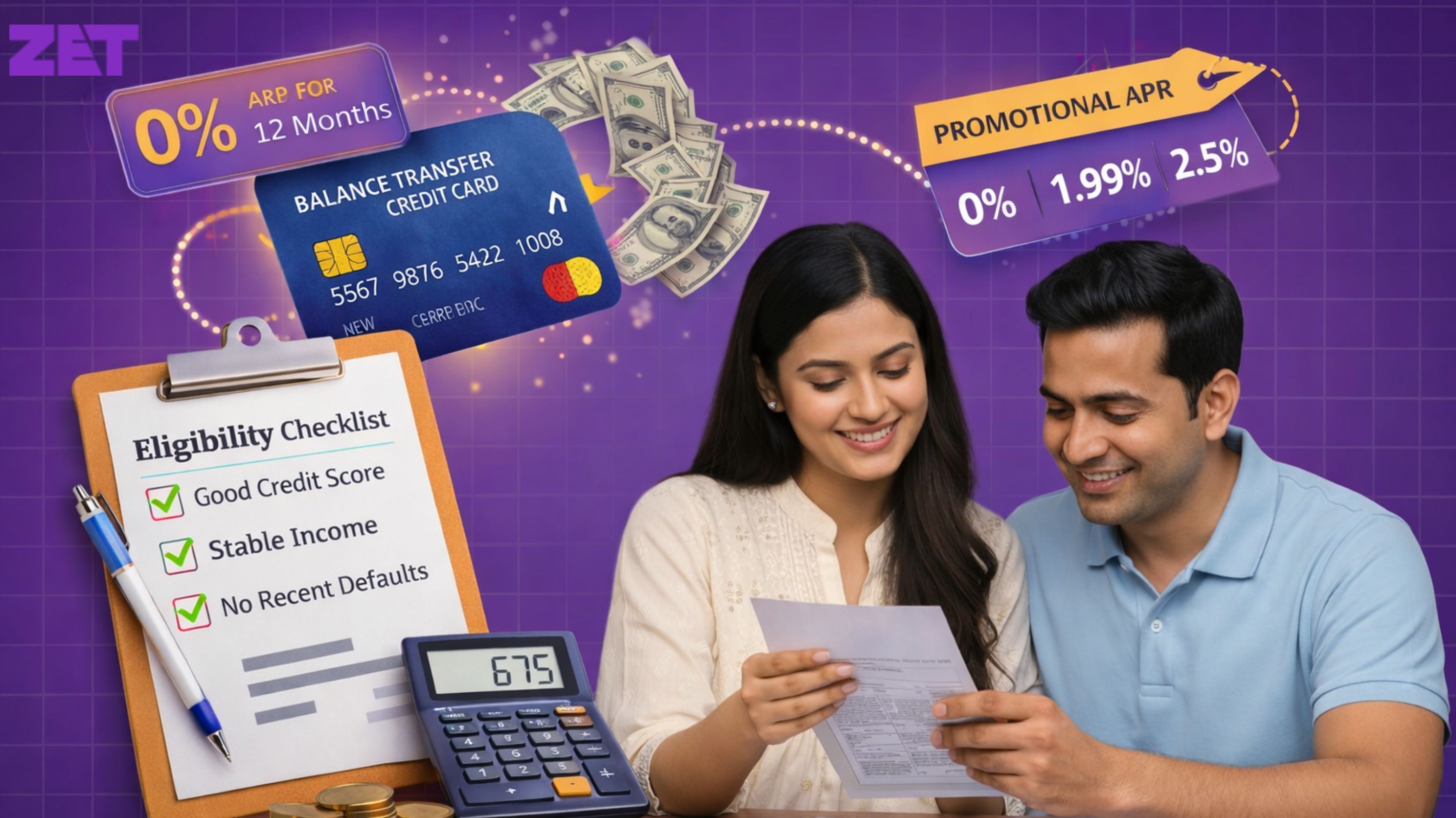
In a time of rising interest rates, more and more consumers are experiencing a growing concern with respect to their ability to manage their credit card debt. Many consumers looking to regain control over the balance owed on multiple credit cards are being offered the opportunity to use "balance transfer credit cards" as an alternative to paying high-interest charges. The benefits associated with this type of credit card will vary from person to person based on individual qualification requirements and the structure of promotional APR offers. Therefore, consumers will need to understand how the balance transfer process works, what qualifications they must meet to qualify for the offers, and how promotional rates will be applied before making a decision.

Balance transfer credit cards allow consumers the opportunity to transfer the balance owed on one or more credit cards to a new credit card at a lower interest rate for a fixed period. As a result of this feature, it is often easier for consumers to repay their outstanding balances, thereby decreasing the amount of total interest paid on the transferred balance and making it easier to repay their debt. While the primary purpose of balance transfer credit cards is to provide consumers with the ability to consolidate their existing credit card debt, in most instances, consumers may still be permitted to utilize their new credit card for additional purchases; however, this will typically be based on separate terms.
The promotional feature of most balance transfer credit card programs is the ability for consumers to receive a lower interest rate (0% or a reduced rate) for a defined amount of time. The promotional period intends to allow consumers sufficient time to repay their transferred balance without incurring the cost of higher interest payments that would be associated with the transferred balance once the promotional period has ended. After the expiration of the promotional period, the standard interest rates will be applied to transferred balances and may be much higher than the promotional interest rate offered.
Upon initiating a balance transfer, the old card's outstanding balance is paid off by the new card issuer and applied to the new credit card account, and the transferred balance will incur interest at the promotional APR, if offered. The timing of the transfer will be specified and therefore any unpaid balances on your old card may accrue further interest during this time.
Most balance transfers also require payment of a transfer fee to the issuer, which is calculated as a percentage of the amount transferred. The transfer fee is added to the balance and will increase the total amount you must pay back. Even though the promotional APR will offset the transfer fee over the long term, the fee is still very important to determine how you will view balance transfer cards overall.
Also Read: What Is UPI 123Pay and How to Use It Without Internet?
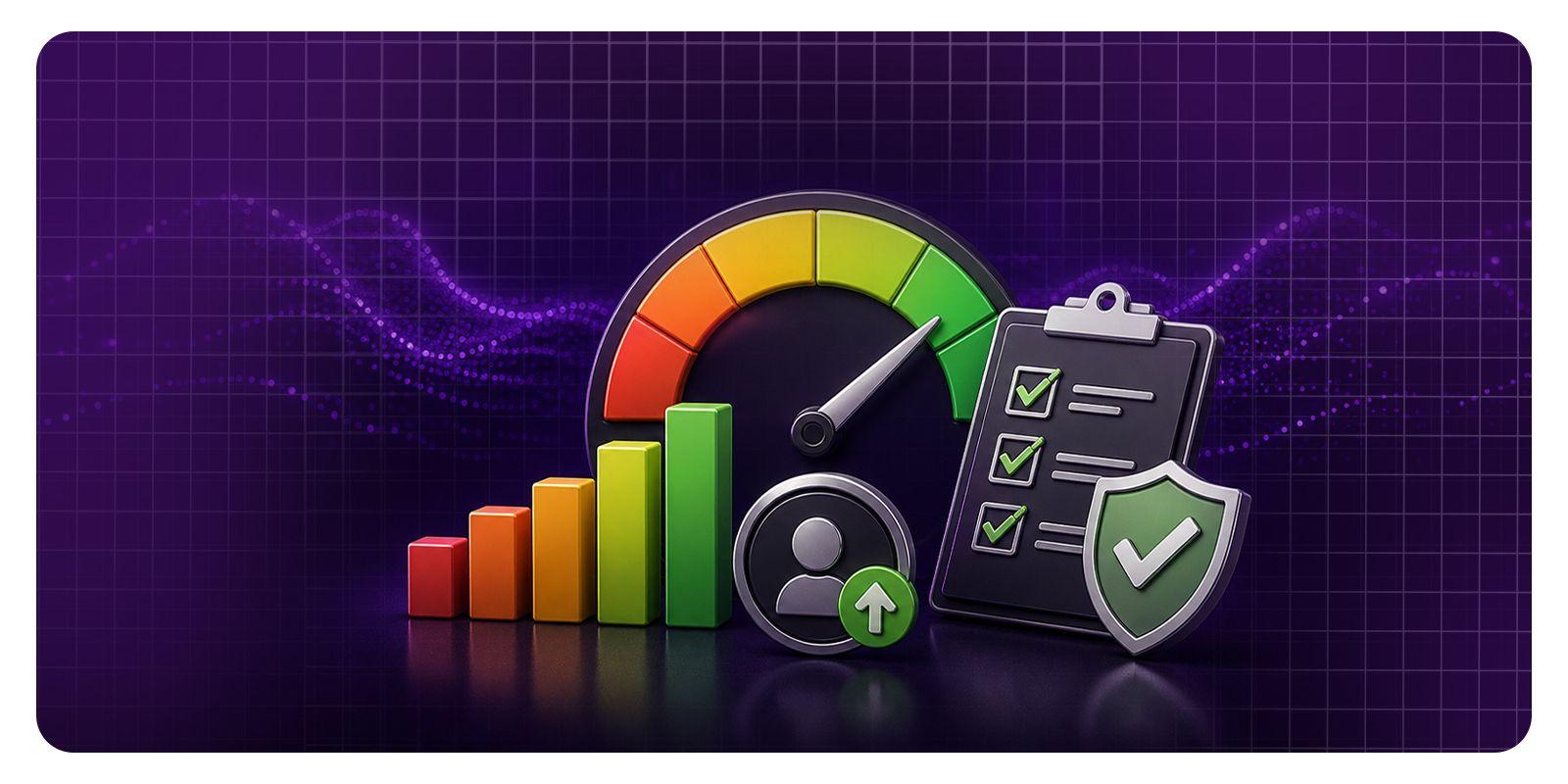
Factors that determine eligibility for balance transfer cards include the creditworthiness of the cardholder. Creditworthiness is considered to be the primary factor for applicants who seek a balance transfer card. Generally, applicants with a strong credit history have the highest likelihood of being approved for competitive promotional APRs. Applicants must demonstrate that they have a consistent repayment history, a low credit utilisation rate and a stable income profile. Existing balances on a person's credit report are one of the factors considered when determining the applicant's eligibility for a balance transfer credit card. An applicant with a balance that is too high for their credit limit may be less likely to get approved and/or receive a lower credit limit on the new card because lenders look at the risk of balance transfers. Balance transfers involve the lender taking on the debt of the applicant from another lender rather than just a loan to purchase something new.
Another two factors that are considered in determining an applicant's eligibility are employment history and income level. Lenders want to know that an applicant has a steady income that will allow them to pay off the debt from the promotional period.
Also Read: Documents Required for GST Registration for Different Business Types
An applicant's credit score is an important indicator of their borrowing behaviour. A higher credit score indicates that the person has used credit responsibly and is therefore more likely to be approved for a balance transfer credit card with a better rate than someone else who may have a lower credit score.
An applicant's recent credit utilization can also impact the decision of whether or not they will be approved for a credit card application. Multiple credit card applications made over a short period of time may signal to the lender that an applicant is likely to experience financial difficulties; therefore, they may deny the application or offer less favourable terms. If you regularly apply for credit, you will keep yourself eligible for the best options available to you.
Also Read: Annual Fee vs Lifetime Free Cards
The most distinctive characteristic of a balance transfer card is its promotional APRs. These promotional rates are available to you for a specific period of time in which the amount of interest charged on any transferred balances will be significantly lower or may not apply at all. Each card issuer and product will have a different length of time associated with the promotional APR, and it is an important determining factor in how well this card will be used to pay off your debt.
A promotional APR is specific to the amount of debt you have transferred. Promotional APRs do not apply to new purchases unless specifically stated by the issuer. When you make new purchases with your card during your promotional APR period, you will likely be charged a different interest rate (probably a higher rate). This is essential for you to differentiate and track how interest charges are calculated if you will mix new purchases with the amount of debt you are trying to repay.
Once the end of the promotional APR period arrives, any remaining balances will revert to the card issuer's standard APR amount. In most cases, the standard APR amount is greater than the promotional APR. Therefore, the cost of having debt can greatly increase once your promotional APR ends. Because of this, you must plan your repayments within the promotional APR time period.
Also Read: Credit Card Renewal & Replacement
When using a balance transfer card as part of a structured repayment plan, it is important to keep in mind that the purpose of a balance transfer is to pay down outstanding balances during the promotional period, not simply to extend the time it takes to repay the debt. If you do not have a plan to pay down your balance before the promotional period ends, you may end up paying more interest because of the higher interest rates that will apply once the promotional period is over. In addition, you should also avoid using your balance transfer card for new purchases. By doing so you will minimize confusion about how much to pay back, which will make repayment easier. Keep your debt repayment separate from day-to-day expenses to promote better financial discipline and less ambiguity in your finances.
Factors determining eligibility include an applicant's: Credit Score; Repayment History; Income Stability; and Level of Existing Debt. Generally, applicants with high credit scores will be able to receive better terms on the card.
Promo periods can differ between card issuers but are typically a finite number of months where the promo rate is available before the standard rate takes effect.
Most cards charge a fee based on the balance being transferred when the balance transfer occurs, and that fee will be added to the card's outstanding balance.
In the event a customer does not make a required payment by the due date, it may result in the promotion APR being terminated and the standard APR being applied, thereby increasing the overall cost of carrying a balance on the credit card.
Most of the time, customers can still make new purchases using their balance transfer cards, however, they will typically incur a different interest rate (likely not promotional rate) on new purchases.



Contact

care@zetapp.in
Social


Build and Maintain a 750+ Credit Score