January 24, 2026 · 5 mins read
Santosh Kumar
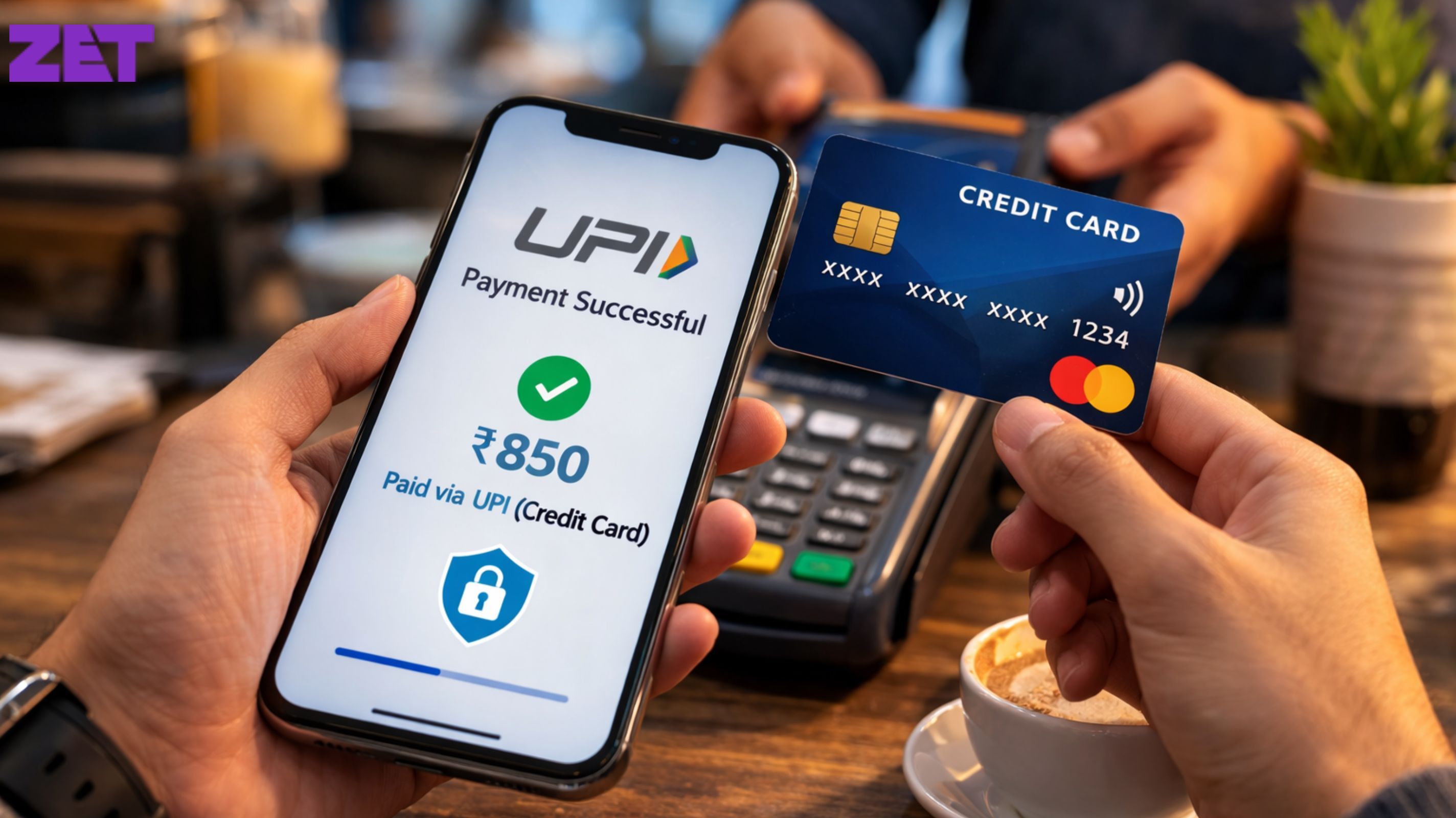
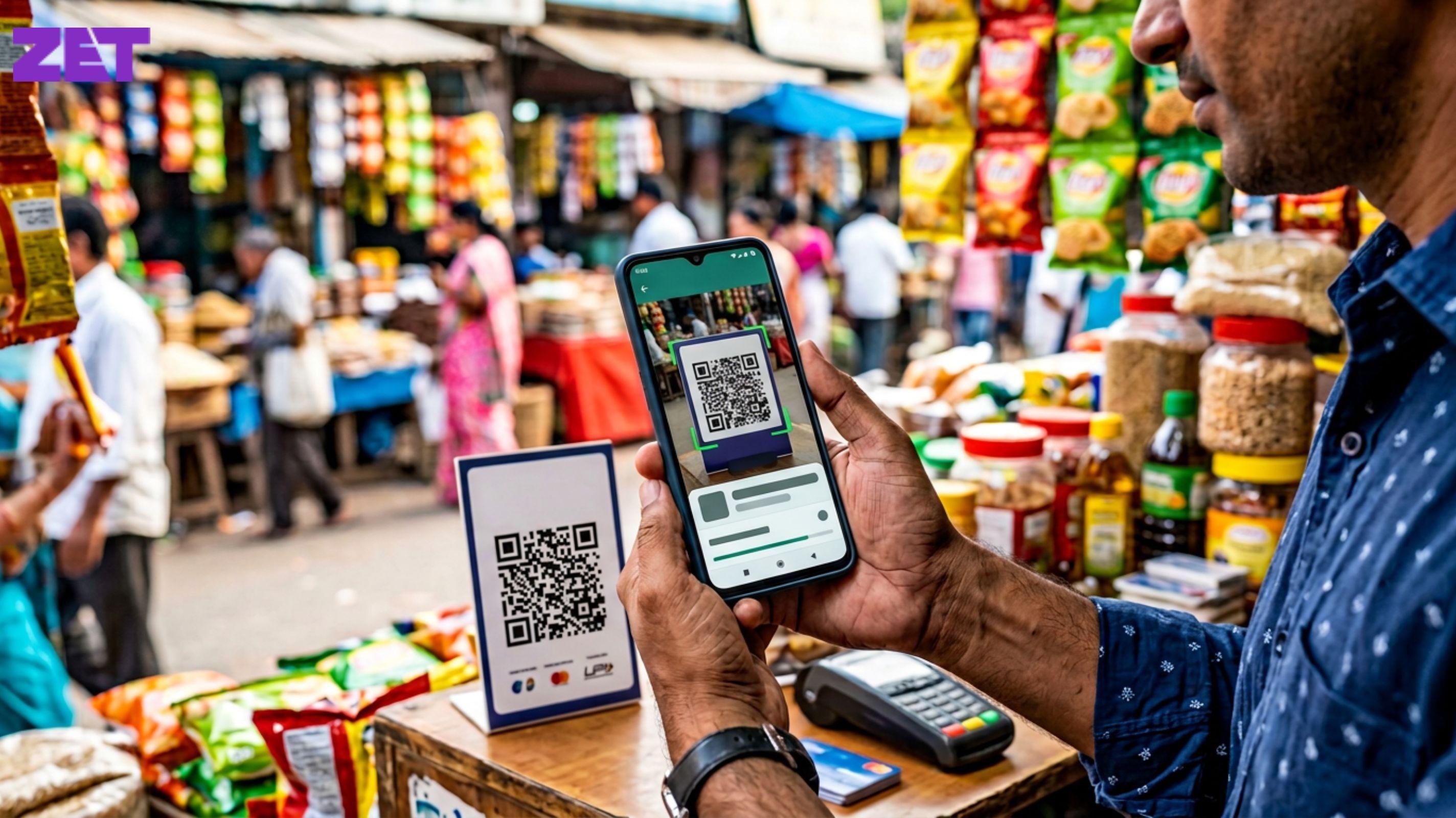
For many consumers, using a UPI credit card to make purchases is safer than using a debit card; however, the safety provided by a UPI credit card comes from the way credit cards manage risk, not from the UPI service. When using UPI with your debit card, when you authorise a purchase, the funds are withdrawn from your bank account instantly. If you discover something is wrong with that transaction, it can take a long time before those funds can be returned. With credit cards, the consumer does not immediately authorise any of their funds. Once the consumer authorises the purchase, the "pay later" feature allows for additional time before the transaction is billed.

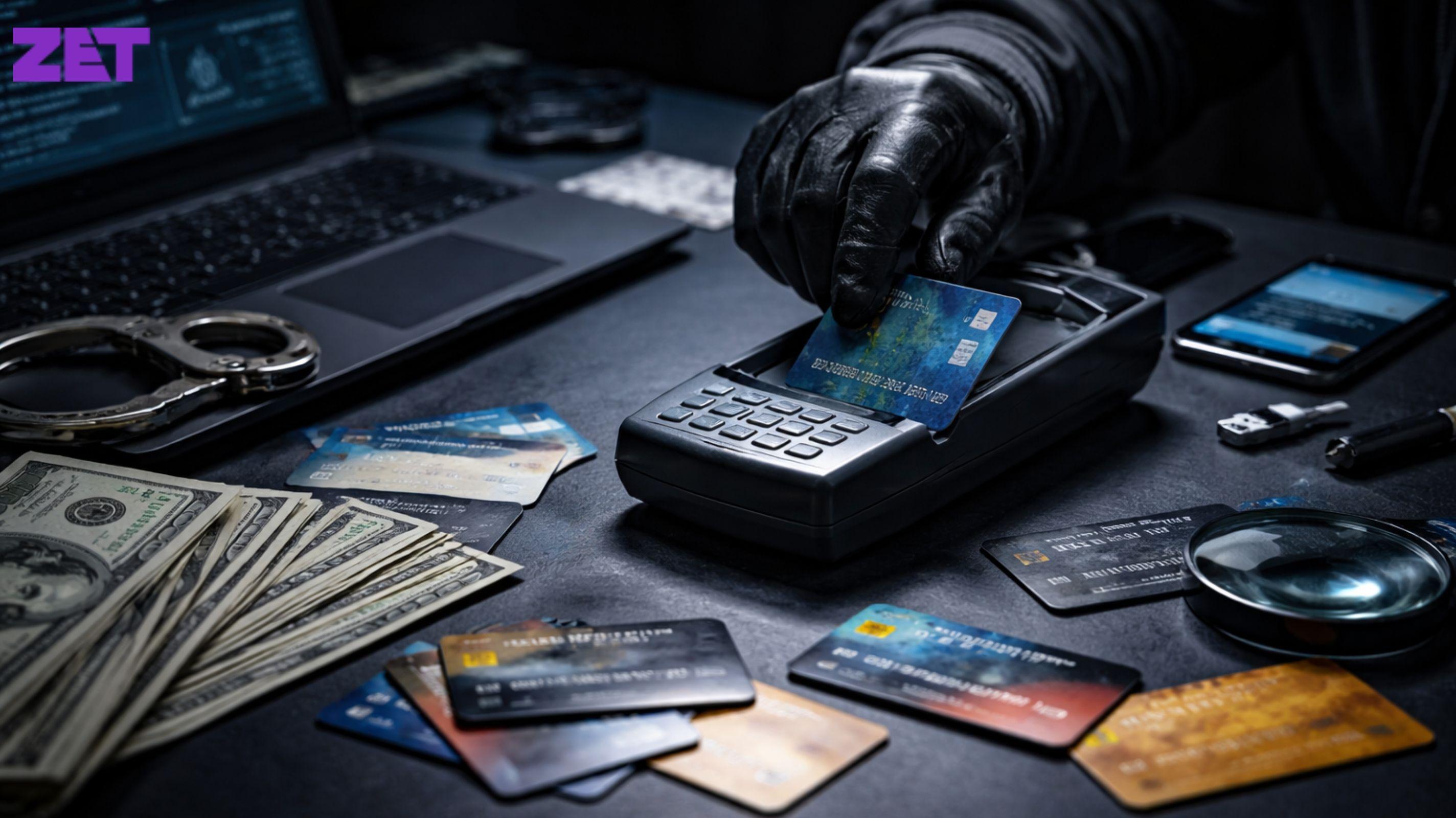
Credit cards offer stronger consumer protections than debit cards. If there is a fraudulent or faulty purchase using a credit card and the transaction was processed using UPI, there are typically established procedures for resolving disputes. The networks and banks offering credit cards typically have clearly defined chargeback procedures, and in some cases, temporary credits may be issued while investigations are ongoing. Conversely, with UPI transactions through a debit card, any funds removed from your account are generally placed into a different account and therefore do not usually have this type of consumer protection available.
In addition, another safety factor is the risk of exposure. The maximum loss with debit UPI is the entire amount in your connected bank account if something happens to its security. The maximum loss for a credit card is only your credit limit, which serves as an automatic limit to any damage possible. Because of this, many users feel safer knowing they are limited to their available credit, especially when making payments frequently throughout the day.
Financial safety is not just about fraud protection, but also about ease of managing your spending. Because of its real-time balance update feature, a debit UPI payment can help prevent you from spending too much money at one time. Unlike a debit UPI payment, a credit card payment does not immediately update your bank balance, so it may give you the impression you have money available when in fact you do not. Not keeping track of credit card purchases closely may result in debt, interest, and stress from repayment. From this viewpoint, the debit UPI payment system may be perceived as safer for people who find it hard to budget their finances. Behavioural risk also plays a role in financial safety. Paying with a credit card generally feels less painful than using your own funds and can, therefore, result in higher levels of spending.
Also Read: How to Apply for a ₹2,000 FD Credit Card on ZET App: A Step-by-Step Guide?
Conversely, the debit UPI method keeps spending closely linked with your available funds, allowing for less chance of overspending on your credit card than if you paid using a debit UPI payment system. Even though credit cards offer more protection from fraud, they require greater self-control to use as a means of payment.
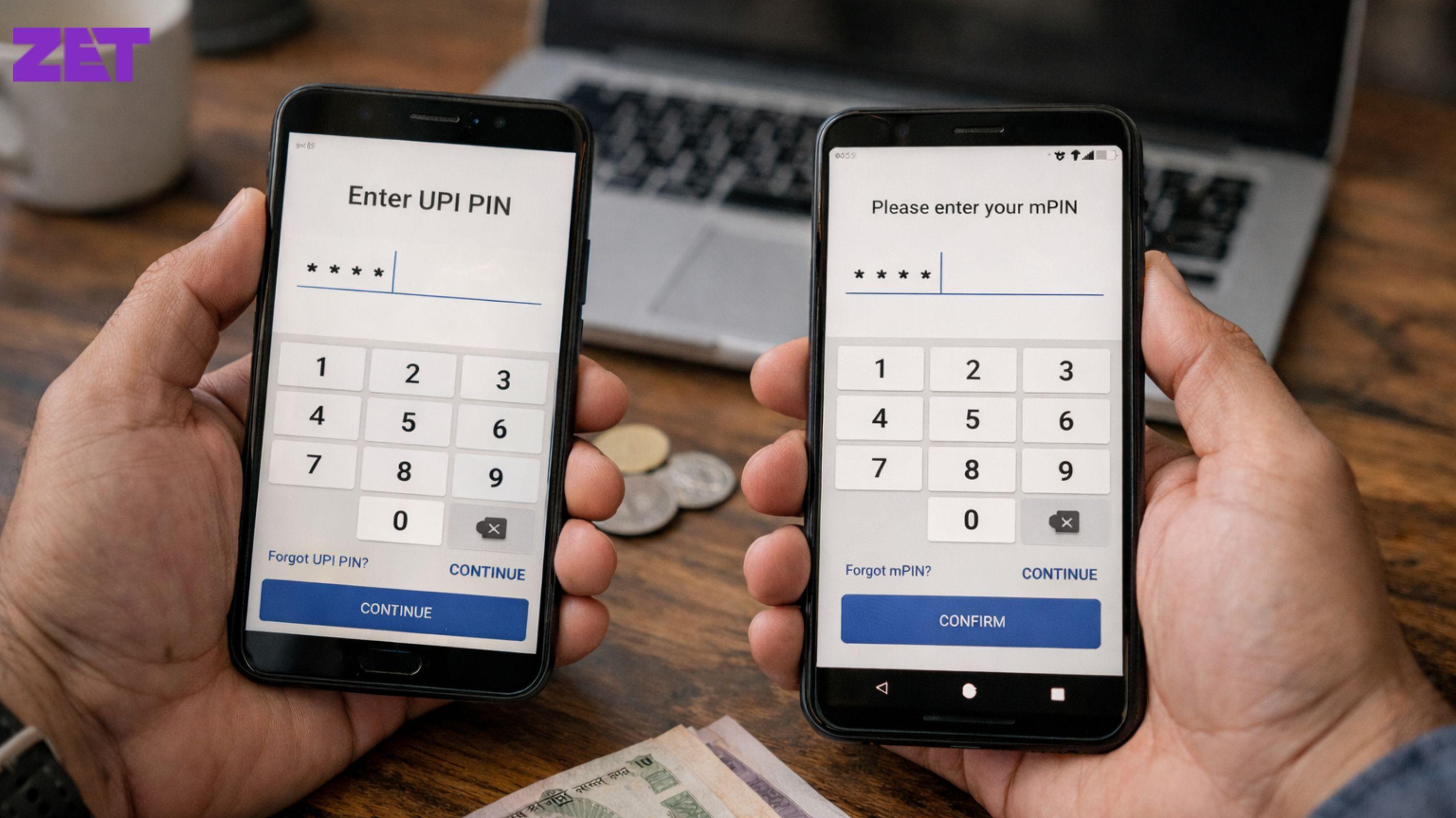
When it comes to securing transactions through UPI, debit types and credit card types use the same basic security measures of encryption and authentication. The primary difference is that when there is a transaction dispute, credit card holders have much better options available to them than debit holders.
Also Read: Can Students Get a ₹2,000 FD Credit Card? A Complete Guide
As a result, UPI payment by credit cards may be perceived as safer for fraud recovery and protecting the user from potential future loss. On the other hand, debit UPI payment may provide the user with the additional peace of mind of immediate accountability and no borrowing worries. ZETAPP provides educational tools to show how credit-based options work within the overall scope of a user's financial future.
Credit cards provide more robust fraud dispute and recovery processes compared to debit-linked UPI accounts.
When you use a debit-linked UPI Account, you expose your actual bank balance to risk, but the maximum amount at risk when using a credit-linked UPI Account is limited to your credit limit.
Yes, it possibly does because transactions made with UPI are not deducted from your account immediately; therefore, they do not feel like a "real" expenditure during the period until the money is taken from your account.



Contact

care@zetapp.in
Social


Build and Maintain a 750+ Credit Score