December 21, 2025 · 9 mins read
Santosh Kumar
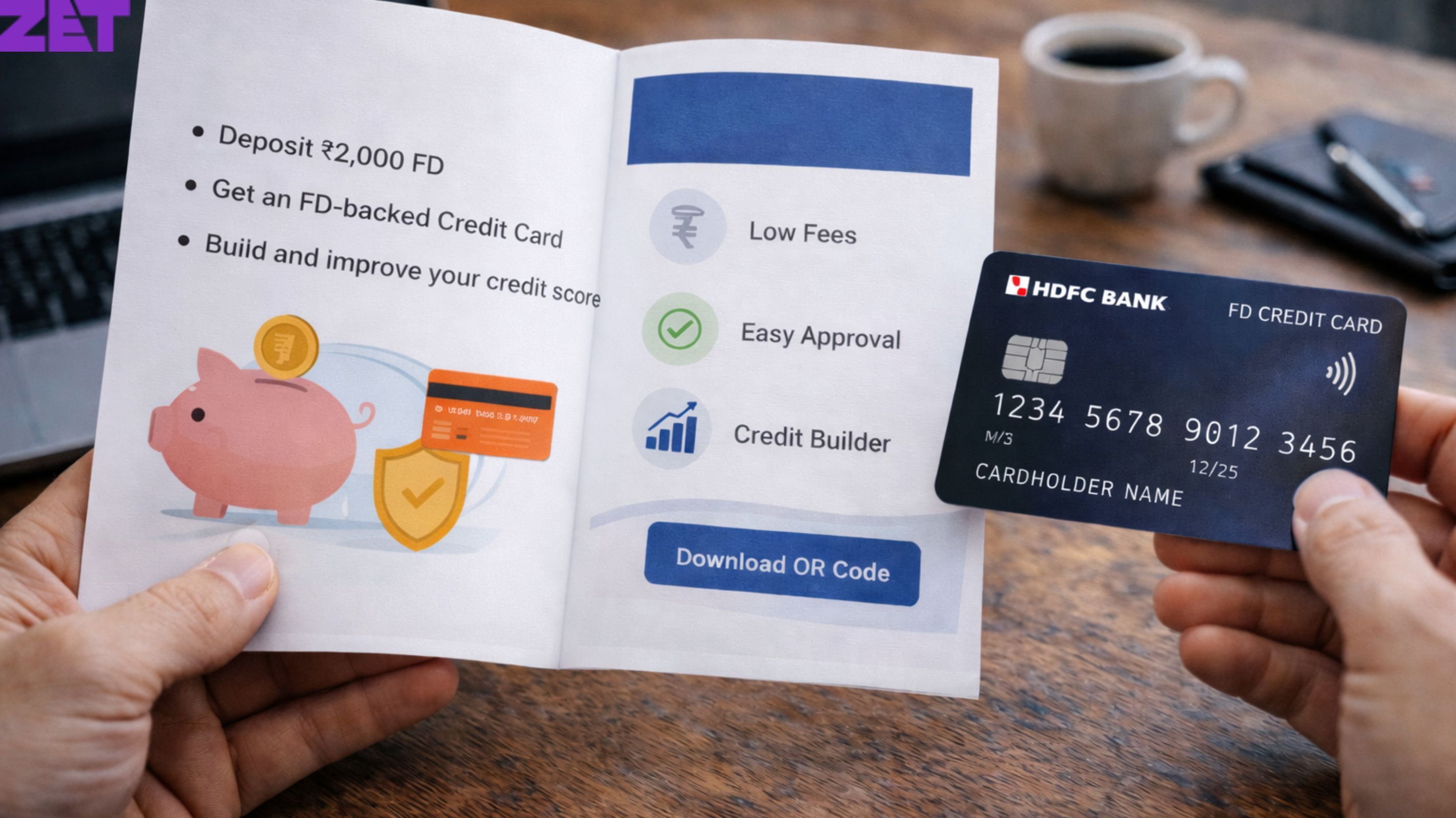
To a lot of Indians, having a credit card is like a rite of passage. It means autonomy, discretionary purchasing power, and establishing a credit record. But for beginners, students, homemakers, or the no-credit-score types, obtaining a traditional credit card is hard. Banks always require a regular source of income, a previous credit track record, and stringent eligibility requirements.
That’s where a ₹2,000 FD credit card like the SBM credit card comes in. It’s geared towards credit newcomers or those with thin files. With a tiny FD, you can get an actual credit card and begin acquiring a credit card limit, securely.

A ₹2,000 FD credit card is a secured credit card. It is backed by a fixed deposit of ₹2,000 with a bank or financial institution. Unlike standard credit cards, which are unsecured, this card is supported by your own funds.
The fixed deposit is collateral for the bank. Since the risk is low, banks will give these cards out even to folks with no income proof or credit history. In the majority of cases, the credit limit is up to or slightly less than the FD amount.
For example, the SBM FD credit card requires you to allocate a minimum amount of ₹2,000 in a fixed deposit, and you get a credit card with a limit of ₹2,000.
Conventional credit cards are all about trust. Banks measure your ability to pay by income, employment, and credit his tory. And beginners typically miss these requirements.
An FD-backed credit card of ₹2000 rupees solves this problem by eliminating risk for the lender. Because the bank already has your deposit, it can recoup dues if you default. This enables new users to take on credit responsibly.
For users, it’s a manageable and secure method to discover how credit cards functions without the concern of spiralling into huge debt.
As soon as you open an FD of ₹2,000, the bank gives you a credit card associated with it. You can spend with the card as you would any regular credit card for purchases, bill payments, subscriptions, and online transactions.
You get a statement at the close of your billing cycle indicating your expenditure. You need to pay at a minimum the minimum amount due by the due date. A full payment avoids any interest charges.
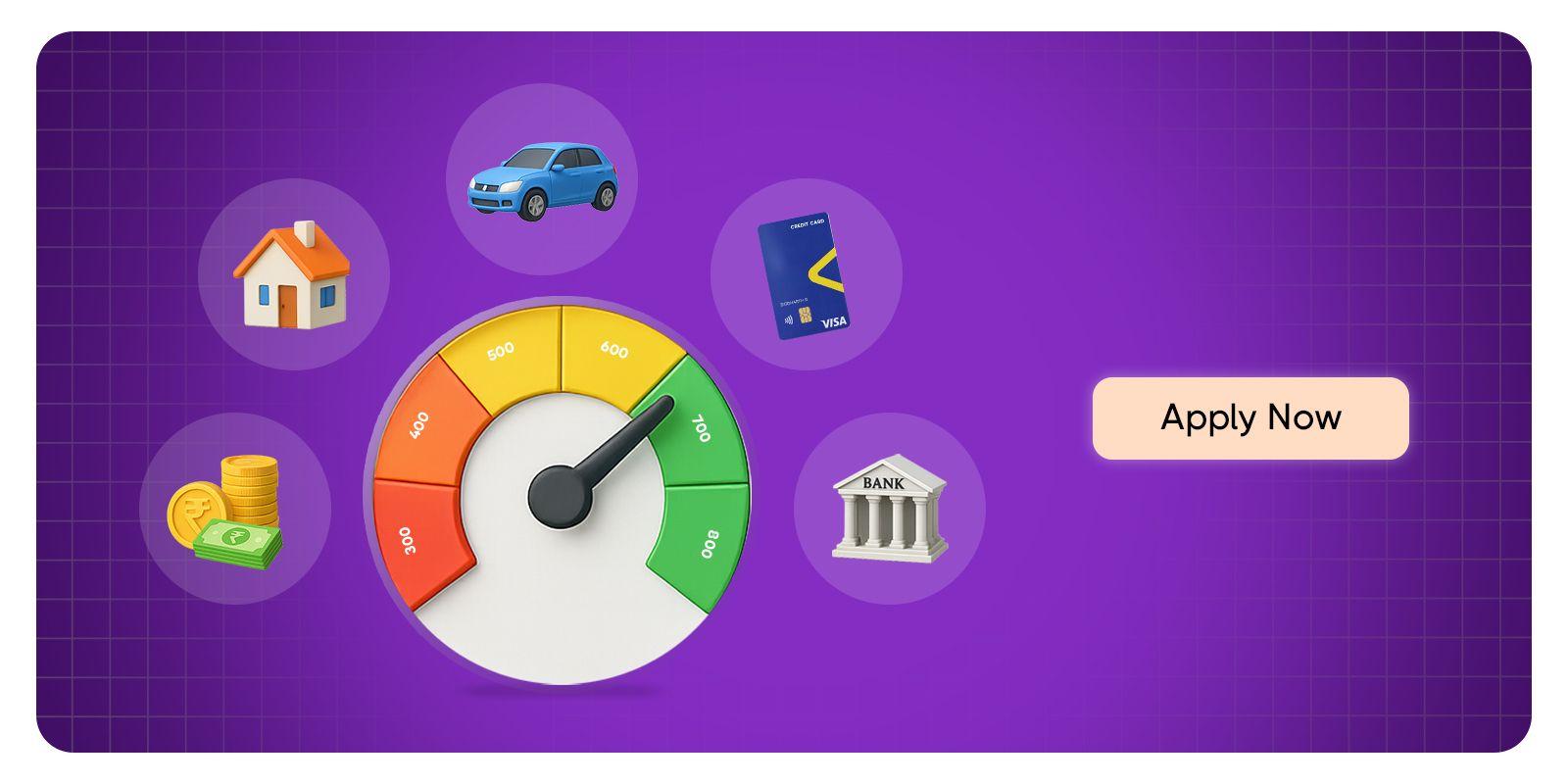
And if you always repay on time, your good credit habits get reported to credit bureaus, helping you build a strong credit score.
Yes, it’s a real credit card. Most rookies think FD-backed cards are subpar or unreported to credit bureaus. This is not true.
FD credit cards act just like a regular instant online credit card. It has got a billing cycle, interest charges, late fees, and reward structures in some cases. But best of all, they build or boost your credit score when used wisely.
This kind of card is perfect for newbies. Students, freelancers, homemakers, and the self-employed people. Especially for those whose credit score check often comes out disappointing. It’s also handy for individuals who were previously declined for unsecured cards.
If you’re an aspiring credit whiz who doesn’t want to experiment with thousands of dollars on the line, this card provides a soft, safe launch pad.
The eligibility requirements for a ₹2,000 FD credit card are significantly less stringent than those of conventional cards. You have to be 18 years or older, have a valid proof of identity, and open a fixed deposit of ₹2,000 with the issuing bank/platform. No income proof required in most cases.
Certain banks might require you to open a savings account with them, while others permit immediate digital onboarding. This low entry threshold is what also enables FD credit cards to reach a mass audience.
Among the greatest benefits is quick approval. Because the card is secured, approval rates remain high even for novices.
Another huge advantage is credit score building. On time, consistent payments get reported to credit bureaus and slowly refine your credit picture.
It also encourages disciplined spending. With a low credit limit, users learn to spend wisely and stay out of debt.
Moreover, your FD keeps earning interest even as it is pledged.
Although helpful, these cards do have their restrictions. The credit limit is low. Certain FD credit cards come with an annual fee or restricted benefits. Interest rates are steep if you revolve a balance. But these constraints are fine for an entry-level card meant for lessons and credit-building, not deep-pocketed spending.
The optimal usage of this card is to make small purchases and pay the entire bill on time. And, as we discussed, using around 30 per cent of the credit limit is healthy for your credit score.
Don’t take out cash or pay only the minimum; it’s high interest. What I try to do is treat the card as a habit-building instrument, rather than an ease-of-use spending mechanism.
For most users, an FD credit card is good for anywhere from six months to a year. And when your credit score goes up, you may qualify for unsecured cards with higher limits. However, several banks will let you convert the FD-backed card into a plain-vanilla one after some period of good repayment behaviour.
For beginners exploring FD-backed credit options, platforms like ZET have gained attention. ZET, on the other hand, is a digital credit platform that helps users to identify and apply for credit card including those designed for beginners.
ZET makes it easy to apply, directing you on how to apply depending on your eligibility and credit profile. For a credit newbie or mini-FD-card candidate, sites lie ZETk can at least make the trek less bewildering, describing features, perks, and approval probabilities in plain speak. ZET is not a bank per se, but rather a bridge between users and financial institutions, guiding first-time applicants through their decision-making.
No credit history is the future credit killer. Loans, higher-limit credit cards, and even rentals sometimes need a credit score. A ₹2,000 FD credit card provides you with a means to step into the credit world cautiously. Although the limit is tiny, the lifetime return of a solid credit rating can be enormous.
A lot of folks think FD-backed cards are only for folks with bad credit. In fact, they are training wheels, not a badge of defeat. Another myth is that these cards don’t improve credit scores. Assuming the bank reports to credit bureaus, they function just like regular cards.
Once you establish a payment history, you can apply for unsecured cards. Banks are impressed with users who have been disciplined, even with small limits. Your ₹2,000 FD credit card is a launchpad, not a dead end.
For the majority of rookies, locking ₹2,000 is a fair exchange. It’s a tiny amount, makes interest, and unlocks the path to credit. If you look at it as investing in your financial future – not as an expense – the worth is obvious.
A ₹2,000 FD credit card is the easiest and safest way to kickstart your credit journey. It eliminates the fear of rejection, instills disciplined utilization, and builds a credit score from nothing.
So, if you were ever curious as to what is 2000 FD credit card or not it fits for you, the solution is straightforward. if you’re new to credit and willing to learn, it’s a savvy first step. If used wisely, this little card can grow into bigger financial means.
1. What is a ₹2,000 FD credit card?
It’s a secured credit card issued against an FD of ₹2,000, with a credit limit near the FD amount.
2. Who qualifies for a 2000 Rs credit card?
Anybody above 18 years with verified KYC documents who can open a ₹2,000 fixed deposit is eligible.
3. Does an FD-based credit card aid in credit score development?
Yes. Dues paid on time, meanwhile, are reported to credit bureaus and help build a positive credit history.
4. Can you earn rewards on a ₹2,000 FD credit card?
A few have minimal rewards, but it’s more about credit building than benefits.
5. What if I miss a payment?
Late payments incur interest and fees and can also affect your credit score. In more severe cases, the bank also dabbles with dues from the FD.
6. Can the FD card be converted to a regular credit card?
Some banks let you convert after consistent payment behavior — if you’re eligible.
7. Is locking ₹2,000 in an FD safe?
Yes. The FD is in your name, accrues interest, and is given back after the card is closed and dues are cleared.



Contact

care@zetapp.in
Social


Build and Maintain a 750+ Credit Score