March 15, 2026 · 4 mins read
Santhosh Kumar
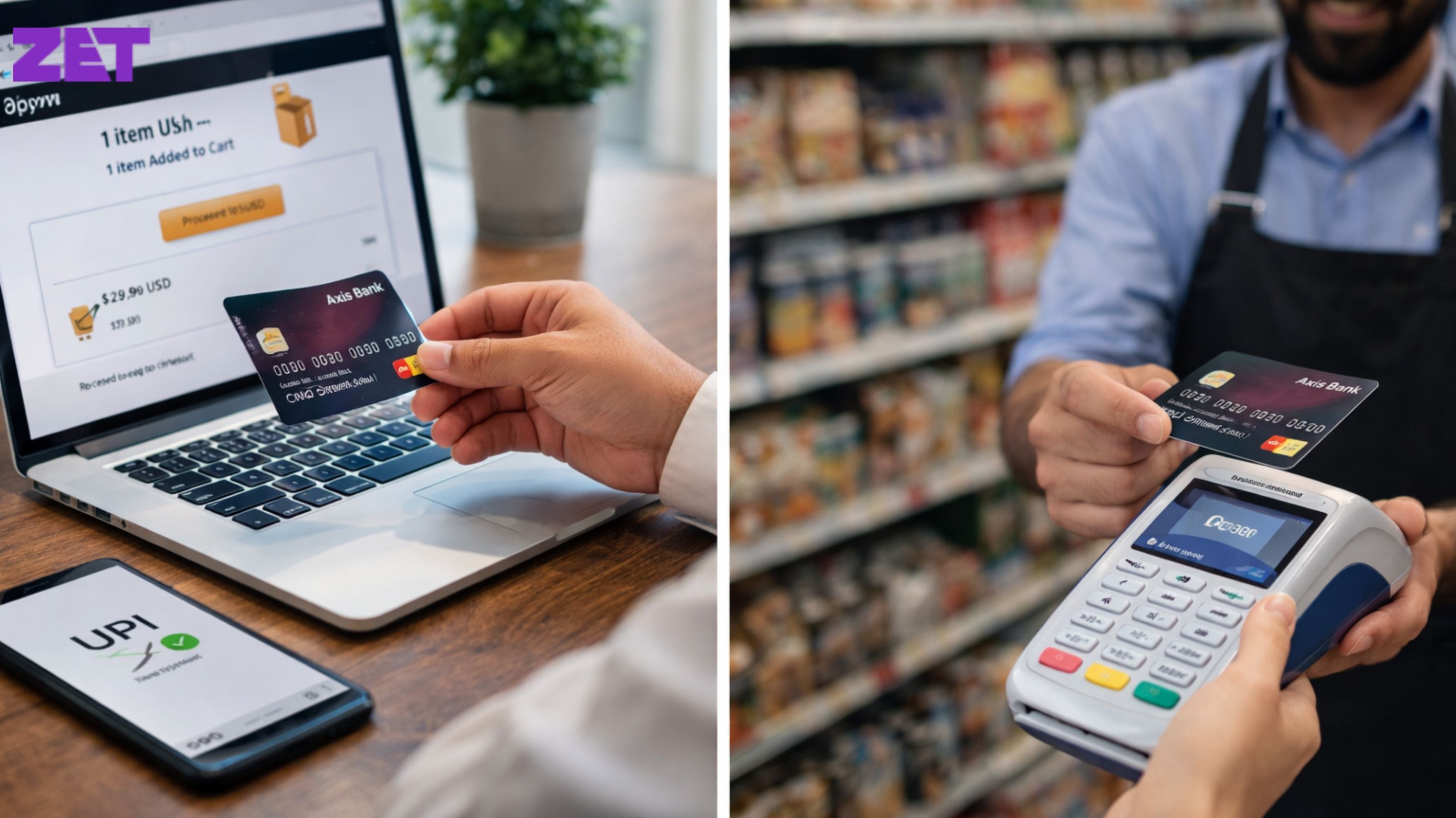
UPI credit cards are primarily meant for in-country payments in India. And in the vast majority of cases, they don’t work directly with international merchants. Though it enables credit cards to be connected to UPI apps for seamless payments, the system currently functions with Indian merchants supported by the UPI network.
UPI has emerged as one of India’s most used digital payment mechanisms. Created by the National Payments Corporation of India, UPI lets people send money immediately between bank accounts via mobile applications.
Most recently, the system opened up to let some credit cards be linked to UPI apps. So no users can be able to do UPI payments on their credit card limit as opposed to their bank account balance.
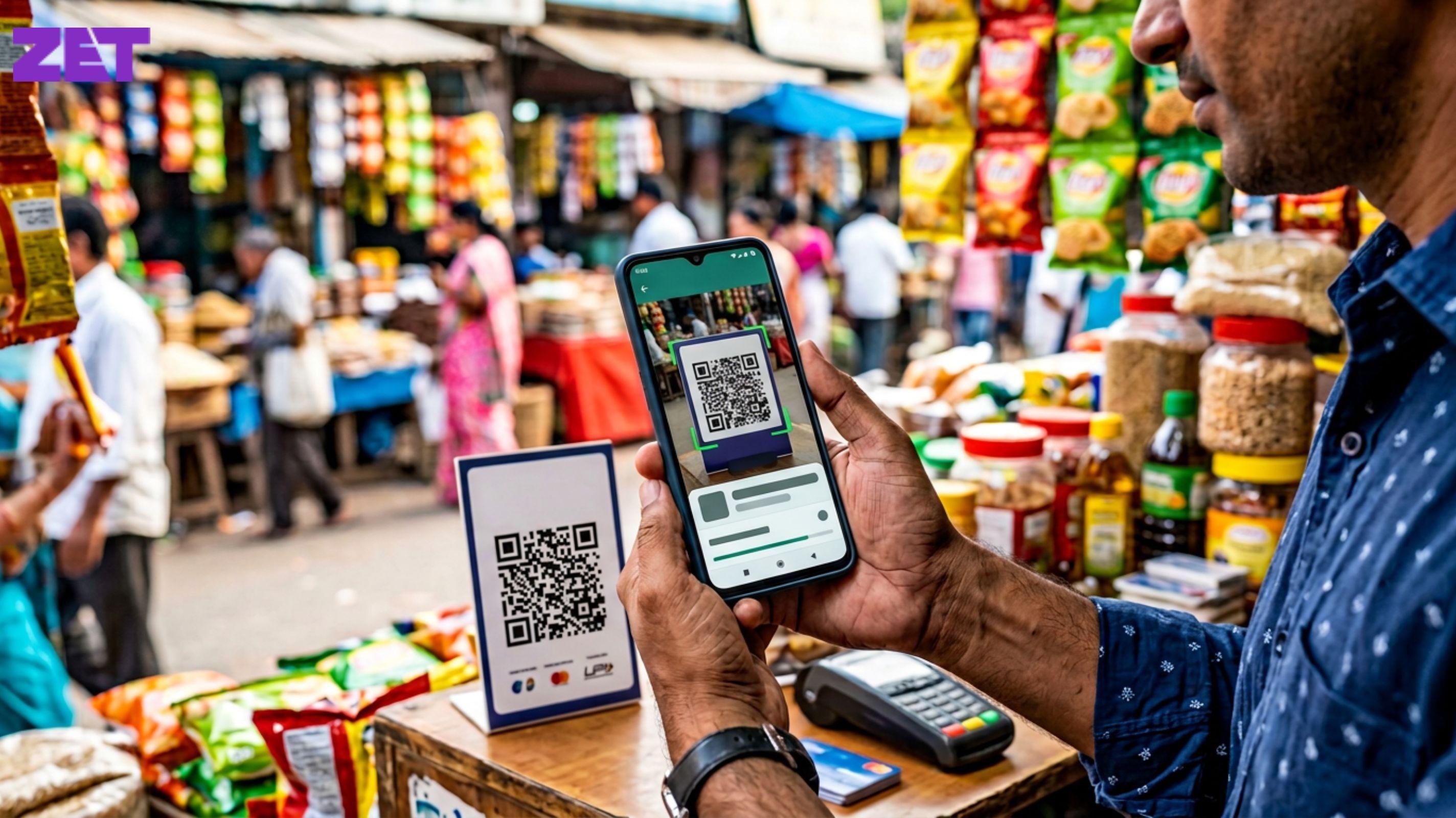
For instance, when a user pays via a UPI QR code using a linked credit card, the sum is charged to the credit card instead of being immediately deducted from the bank account. The user then pays it back later with the credit card bill.

But this feature only works within the Indian merchant ecosystem for now.
UPI was initially intended for domestic bank to bank transfers within India. As a result of this architecture, the majority of UPI payments function solely with merchants and payment gateways that operate with the Indian UPI infrastructure.
International merchants normally run through international card networks like Visa and Mastercard. These networks facilitate cross border payments and foreign currency transactions.
UPI credit card payments, in contrast, depend on UPI. Because most merchants abroad do not support UPI QR codes or UPI payment requests, users largely cannot pay with UPI credit cards directly on foreign websites or international platforms.

And so Indian consumers tend to rely on conventional credit card payments for overseas transactions rather than UPI.
With international merchant acceptance for UPI credit cards still limited, UPI’s global expansion is in the works.
The NPCI has already launched collaborations with a number of nations to facilitate UPI based payments outside of India. Other areas have begun accepting Indian travellers to pay by UPI at specific merchants.
However, these initiatives are still developing and are mostly focused on UPI bank account payments rather than credit card linked UPI transactions.
Broader international adoption will necessitate some level of interoperability between UPI infrastructure and overseas payment rails.
As digital payments develop, we may see more international merchants begin to support UPI in the future.
For Indian shoppers on international sites or merchants, conventional credit cards are still king.
Credit cards on global networks like Visa and Mastercard are accepted everywhere in the world and facilitate foreign currency transactions.
Users should also check that their card is activated for international transactions on their bank’s app or over the phone.
Also Read: How to Apply for a ₹2,000 FD Credit Card on ZET App: A Step-by-Step Guide?
Even so, UPI credit cards remain hugely convenient for domestic transactions. They enable one-tap payments by QR codes without re-entering card info. Both systems used in the right way can allow consumers to control both home and abroad payments.
Most of the time, no. UPI credit cards have been created to be used only for making purchases from businesses that have agreed to accept payments through the UPI payment processing system within India.
In India, UPI payments are managed by the National Payments Corporation of India.
The most commonly used option for making purchases over the internet from international retailers is by using a gateway credit card issued by a global network such as Visa or Mastercard.
Yes, there are currently efforts being made to find international businesses willing to accept payments using the UPI payment processing system, however the number of international retailers willing to accept UPI will continue to increase slowly.



Contact

care@zetapp.in
Social


Build and Maintain a 750+ Credit Score