January 20, 2026 · 4 mins read
Santosh Kumar
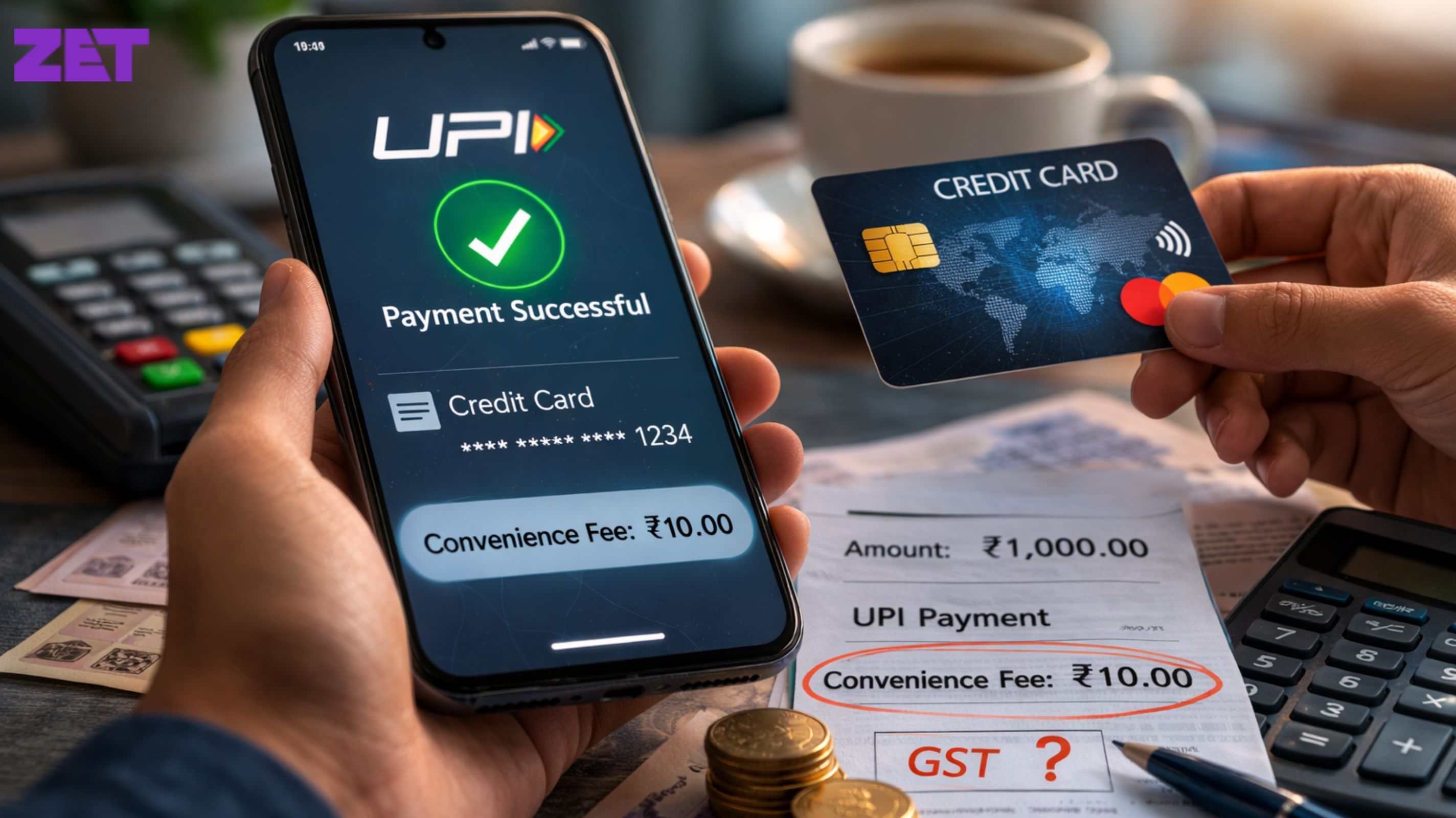
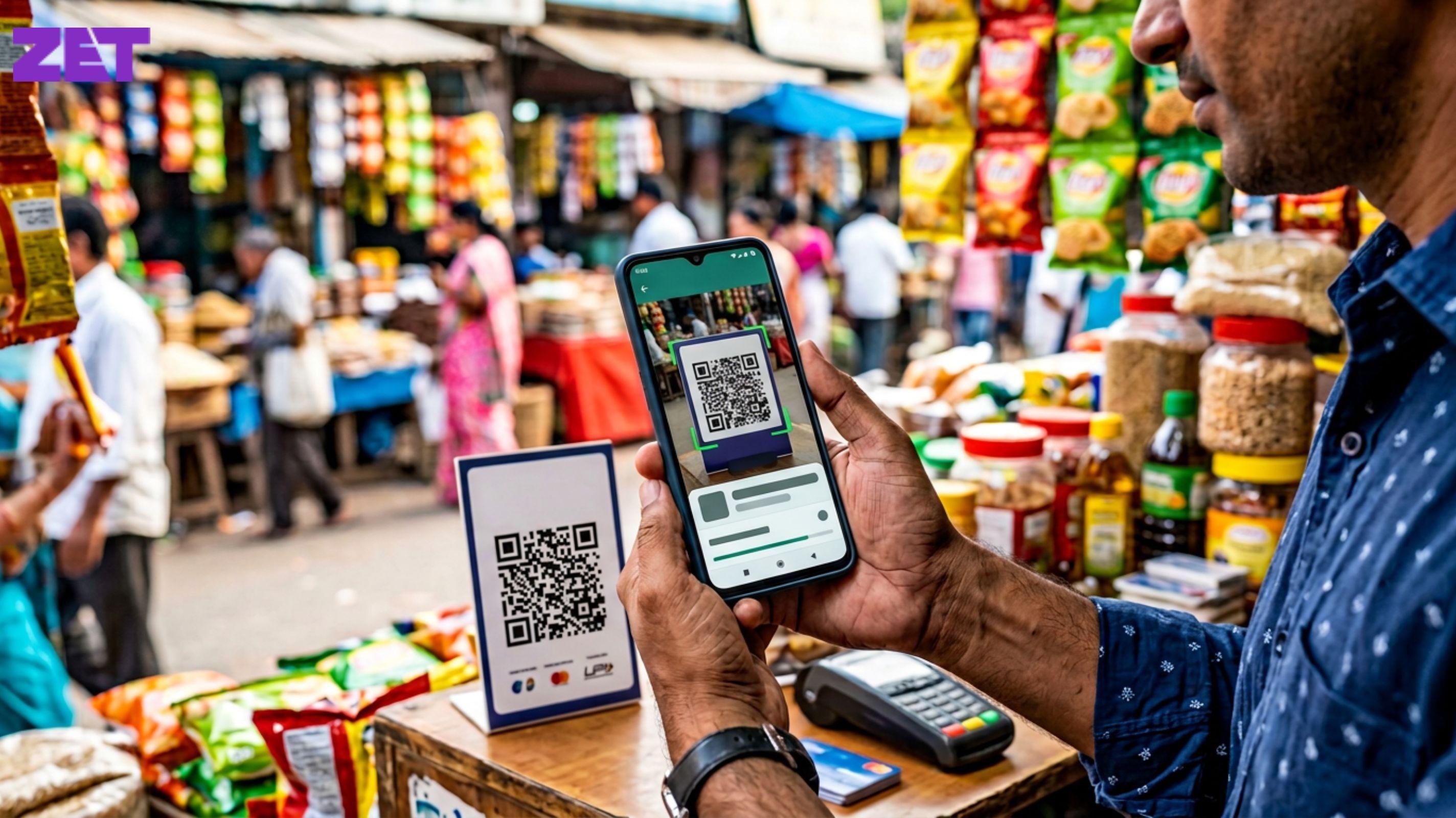
There is also confusion amongst users on whether GST applies to convenience charges when using UPI to pay by credit card because, while these fees can appear relatively low and difficult to determine on payment screens, they can impact both your total charge and provide clarity to your statement review after payment is made. While UPI payments made from a bank account do not incur GST, if you pay with a credit card for UPI payments, GST may apply to some of the fees associated with that payment.

You will generally pay GST on convenience fees associated with UPI payments when paying by credit card. UPI payment methods are generally considered free when you're sending money from your bank account; however, this is not the case for payments made with credit cards. This is because when you make a payment using a credit card, you will incur various additional processing, risk management and settlement costs related to that payment. When a platform/merchant charges a convenience fee for using a credit card via UPI, this fee would be considered a taxable service in accordance with the GST Act.
GST applies only to the convenience fee or service charge portion of a transaction, not the full transaction amount. Therefore, if you make a purchase for a particular amount and are then charged a small convenience fee, GST will only be calculated on that convenience fee. This can result in a slightly higher total than you expect.
The reason for the application of GST is that the convenience fee constitutes a service provided by the merchant/payment platform. Most services that are provided are subject to GST unless they have been specifically exempted under the Indian tax law. Convenience fees do not fall under any of these exempt categories, so they will be taxed at the appropriate rate, regardless of whether the payment was made using a card, digital wallet or a hybrid payment method like UPI using a credit card.
Also Read: What is Virtual Credit Cards & Physical Cards
Not every UPI credit card transaction will have a convenience fee associated with it, as some merchants choose to absorb this cost, while others will charge the customer for this service. If a convenience fee is not applied, then GST will not apply either. This is why users will see varying totals for similar types of transactions on different platforms.
Although the visibility of these fees has improved, many users continue to disregard them. Most platforms will display the Base Amount, Convenience Fee, and GST on the webpage before you click “PAY”. By reviewing these items, you can see how much you’re being charged for.
Although these fees are relatively small at first glance, using any of these features multiple times can lead you to potentially pay much more than you originally thought. Knowing when GST applies gives you insight as you determine which payment option to select.
Also Read: Which Credit Card Offers Fuel Cashback in India?
About features that allow you to use credit and their related fees, having the ability to read and understand these fees gives you clarity. ZETAPP provides users with this clear understanding of how they will be charged with respect to credit-based transactions, including fees, taxes, and repayment terms, allowing users to make better choices about how to manage their money.
No, GST is calculated on the convenience fee associated with the UPI payment and not the actual payment.
If there were no convenience fee attached to the UPI transaction, there would be nothing that could be taxed, hence why GST would be absent.
GST is collected by the service provider; therefore, the government receives the remittance of all GST taxes collected from the service provider rather than the bank holding the funds.



Contact

care@zetapp.in
Social


Build and Maintain a 750+ Credit Score