January 19, 2026 · 5 mins read
Santosh Kumar
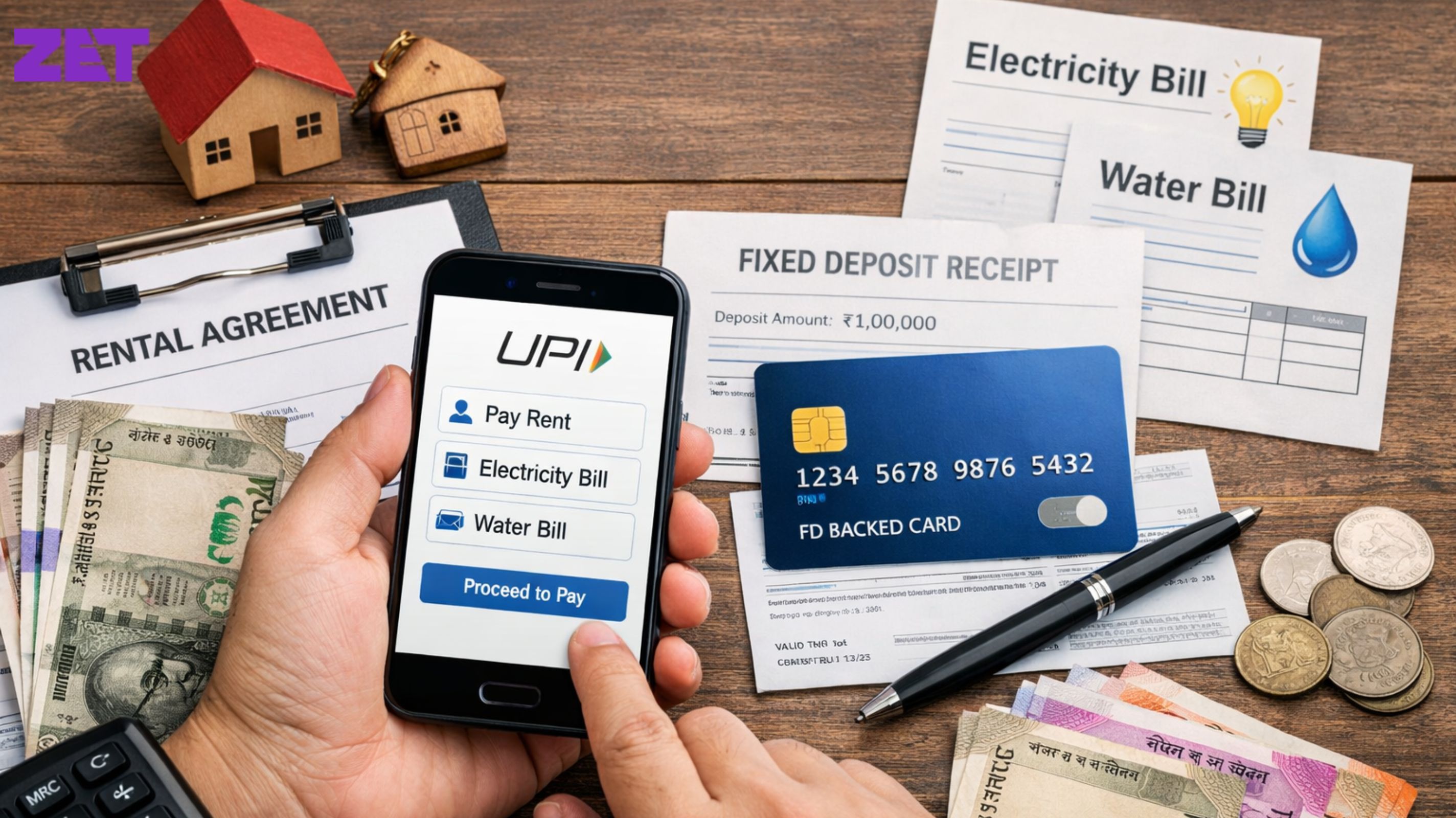
When it comes to paying rent or utility bills with UPI using an FD-secured credit card, the answer isn't black and white. It's common for consumers to assume that because UPI is used for so many transactions in their daily lives, it should also work for every type of payment they make. However, there are some key differences between how UPI works when paying with a credit card versus when paying with cash.

Whether you can pay a bill with your FD-secured credit card using UPI will depend on the policies of your card issuer, the UPI platform being used to process the transaction, and the category of the payment. Those who have FD-secured credit cards might be able to make certain utility bill payments (i.e., electricity, water) via UPI if the card issuer has enabled the card for UPI merchant payments. In these situations, the amount owed will be charged against the credit limit, and you will pay for it just like any other purchase made with a credit card.
While paying with credit cards for rent and similar transactions is very different from other types of purchases, there are several complications involved in using a credit card to pay rent. Most banks and other companies offering UPI payment services treat these types of transactions as either extremely high risk or "cash-like" transactions, and therefore restrict them as a source of funds when using a credit card. Even if rent payments can be made with credit cards under certain circumstances, they often incur additional processing fees and may not earn rewards. Some companies that support UPI payments will not allow the use of credit cards to make rent payments.
Also Read: Can I Invest in an FD in My Wife’s Name?
Restrictions on paying rent and other payments with credit cards stem from the nature of credit. UPI was developed primarily for making direct transfers from one bank account to another, so the transaction occurs in real time. Adding credit to the UPI network significantly increases the risk associated with this type of transaction. Rent and other recurring payments may be relatively large in dollar amounts, are regularly made, and are not attached to traditional types of merchandise or services, resulting in banks being much more conservative with these types of transactions.
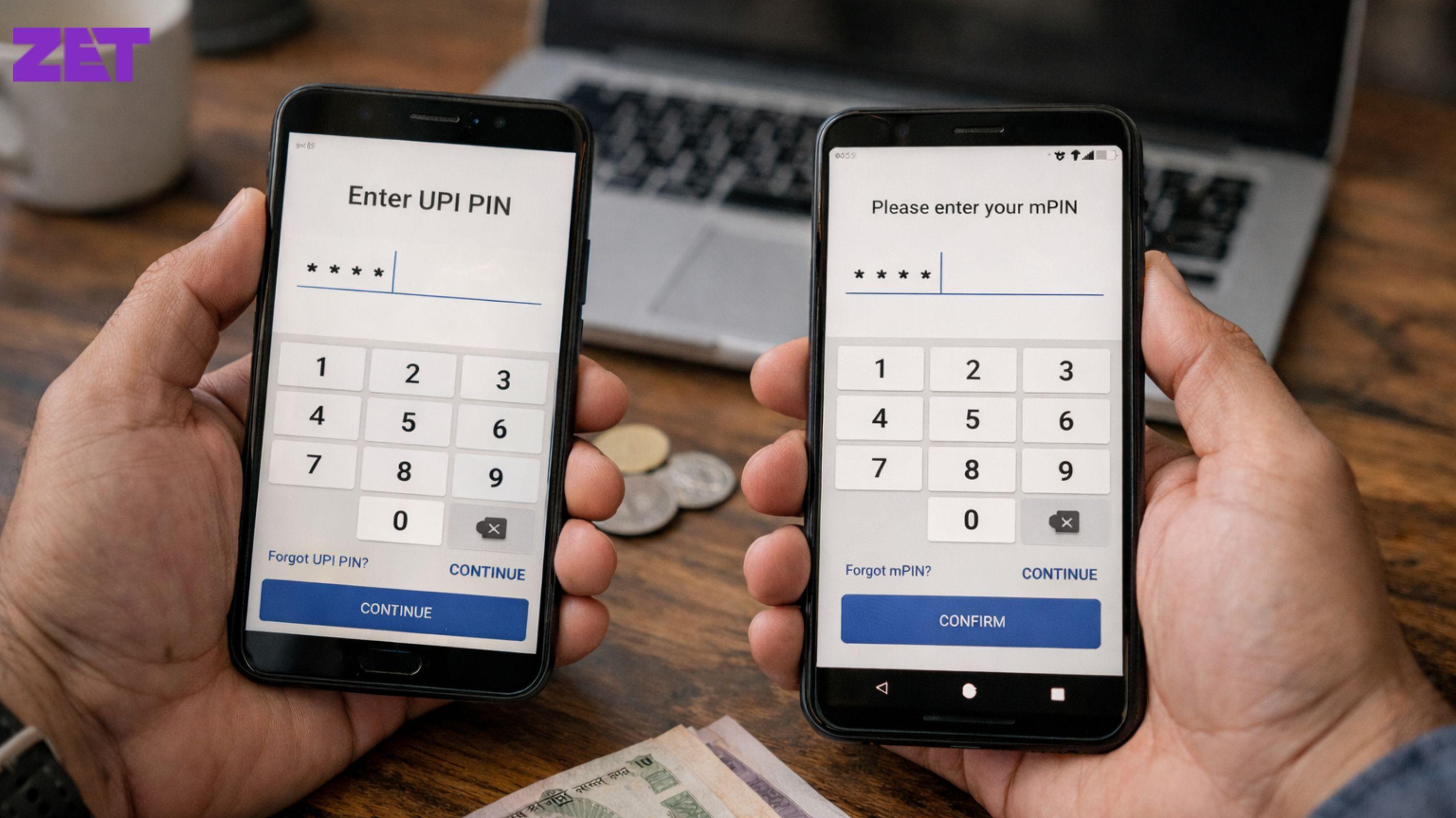
If you own a Fixed Deposit (FD)-backed credit card that offers UPI as an option for bill payments, your experience will be straightforward. After selecting your credit card as the funding source for the bill payment, you will provide a confirmation through your UPI PIN, and the bill payment amount will be charged to your credit card. Your FD will stay in place and be held by the bank unless you default on your repayments. As a result, you receive the benefit of having a secured card that is backed by an FD.
Also Read: How to Withdraw Money From Phonepe Wallet
It is vital to use credit wisely when it comes to necessities, things like rent or utility bills. Credit can enhance your cash flow, and it does create a future obligation for repayment on your part. If you fail to pay your obligations on time, you will incur interest and/or late fees, which may also lead to your fixed deposit account being modified by the banking institution for a protracted period of time due to continuous failure to make payment.
Understanding these factors allows you to use the credit card functions for payment responsibly, and a service that focuses on empowering customers through financial clarity can really help users learn about these features. One example of a company offering a financial clarity service is ZETAPP, which aims to educate customers on credit-based products, as well as to offer the customer an understanding of the appropriate ways to use these products and what their long-term impact is on their financial well-being.
Also Read: Virtual RuPay Cards: Using UPI without Bank Account
Many platforms restrict or treat rent payments differently from standard transactions, and therefore may not allow paying rent through their system or will impose additional fees for doing so.
Utility bills are more likely to be accepted for payment on a credit card secured by an FD if the platform you are using allows merchants to accept payments via credit cards.
Making a payment on your utility bill will not reduce the balance of your FD; it will only be taken into account if you do not repay your credit card balance in full.



Contact

care@zetapp.in
Social


Build and Maintain a 750+ Credit Score