March 16, 2026 · 5 mins read
Santosh Kumar

Yes, India requires two-factor authentication for UPI credit card payments. Users need to verify transactions via the UPI PIN and device or app validation. This layered security regime guarantees that payments made through credit cards linked to UPI stay safe and authorised by the account holder.
India’s digital payments infrastructure is built on top of robust authentication mechanism to shield users from fraud. When a credit card is connected to UPI, the transaction doesn’t complete automatically. This payment needs to be authorized via a security process verifying the user’s identity.
UPI transactions require authentication through a UPI PIN, which is known only to the user. Even if someone has the phone, they can’t pay without this PIN. It is built and controlled by the National Payments Corporation of India, which runs the UPI network.

Alongside the PIN, the payment request is routed through the user’s registered phone and banking application. This mixture provides two layers of confirmation, that’s why it’s two-factor authentication.
Two-factor authentication means verifying a transaction using two different forms of identity confirmation. These usually have something you have, and something you know.
In the case of UPI credit card payments, the first factor is the registered mobile device or UPI app, which confirms that the request originates from the authorised user’s phone. The second factor is the UPI PIN, which must be entered to complete the transaction.

Since both are needed, even if someone gets hold of the phone for a moment, they can’t transact without a PIN. This layered approach dramatically decreases the likelihood of unauthorised transactions.
Factor: Authentication Method
UPI Credit Card Payment: UPI PIN and registered device
Traditional Credit Card Payment: Card number, expiry, CVV and OTP
Factor: Transaction Process
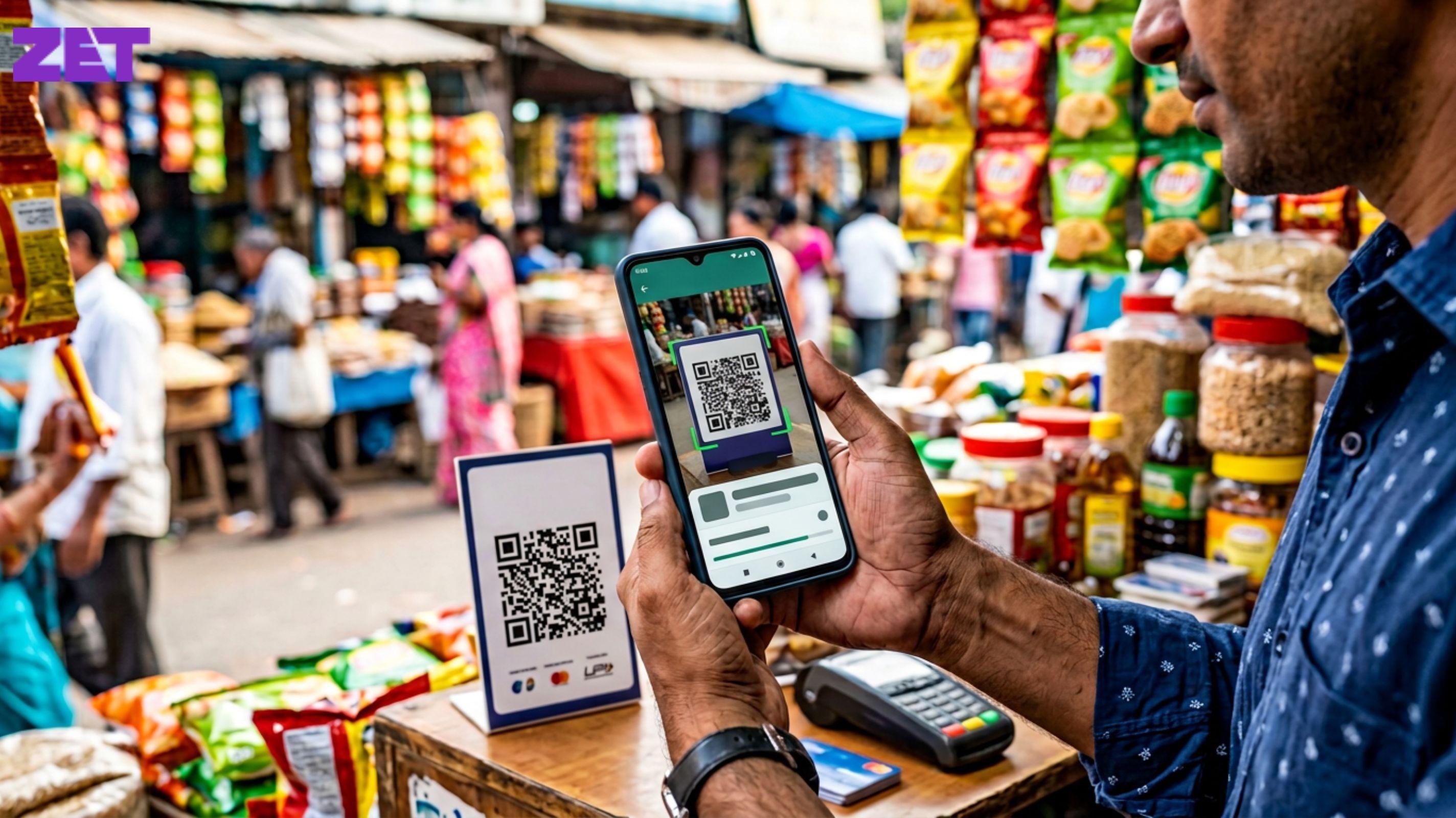
UPI Credit Card Payment: QR code or UPI ID payment
Traditional Credit Card Payment: Card details entered on website
Factor: Risk of Card Detail Exposure
UPI Credit Card Payment: Lower because card number is not shared
Traditional Credit Card Payment: Higher if card details are compromised
Factor: Security Oversight
UPI Credit Card Payment: Managed through UPI framework
Traditional Credit Card Payment: Managed by card networks and banks
Factor: Typical Usage
UPI Credit Card Payment: Domestic digital payments
Traditional Credit Card Payment: Online and international purchases
That’s why strong authentication is so important for digital payments. As digital payments have grown quickly, security has become a key focus for both financial institutions and regulators. As more users associate their credit cards with UPI apps, secure authentication will need to be preserved.
The UPI ecosystem of the National Payments Corporation of India routes each transaction through encrypted channels and demands user verification. These safety measures assist to avoid unauthorised purchases and identity theft. Further, UPI PINs ensure that card details like the card number or CVV are not entered over and over for daily payments. This minimizes the risk of data leakage.
Due to these protections, UPI credit card payments are largely regarded as safe for local digital payments.
Also Read: Annual Fee vs Lifetime Free Cards
Even though the UPI system has a high level of built-in security, it is still up to the user to maintain good digital payment hygiene in order to be safe.
First, you should never give your UPI PIN to anyone else. Neither banks nor payment applications will ever request this information by way of a phone call or message to you. If you share your UPI PIN with someone else, that person will be able to authorize transactions without your knowledge if they can get access to your mobile phone.
Second, you should always lock your phone. Since UPI payments can only be completed using the actual device on which they were created, ensuring that your phone has been locked provides an additional level of protection.
Also Read: GST for E-Commerce Sellers: Rules & Compliance Checklist
Third, you should check your transaction history on a regular basis using the UPI app you are using. When you monitor your payments on a regular basis, you will be able to identify and report any suspicious activity in a timely manner.
Lastly, you should always download your UPI apps through the approved app stores and keep them up to date. There are many benefits to keeping your apps up to date; one of the most important benefits is that the updates will include improvements to the security of the app and will help to protect you from the newest threats to your security.
These four basic precautions, along with the built-in two-factor authentication built into the UPI systems, give the user a safe, reliable way to make daily purchases using UPI credit cards.
Also Read: What Is GSTIN? Format, Structure, and Meaning Explained
Yes, a UPI pin is required to authorise the transaction, and the user must enter the UPI pin through their registered mobile device.
UPI security and regulations are governed by the National Payments Corporation of India (NPCI).
For many people it is, as there is no need to enter your card number and or CVV code multiple times; therefore, this reduces the chance of exposing your card information.



Contact

care@zetapp.in
Social


Build and Maintain a 750+ Credit Score