January 19, 2026 · 5 mins read
Santosh Kumar

While both an FD-backed credit card and an add-on credit card give housewives access to make card-based payments, they serve two very different functions. An FD-backed credit card is issued against a fixed deposit opened or pledged to the bank by the cardholder. The credit limit is usually tied to the value of the deposit, and the card is in the name of the applicant themselves. Hence, the housewife holds complete liability for repayment, usage and the overall conduct of her account.

Conversely, an add-on credit card is an enhancement of another person's primary credit card (typically either a spouse or an immediate relative) and allows the housewife to charge purchases to that card. However, while the add-on user can make purchases on an extension of the primary cardholder, the primary cardholder is responsible for payment of all charges, and the add-on user does not maintain their own credit account. The usage of an add on user appears on the primary cardholder's statement (not their own) and affects the credit rating/profile of the primary cardholder.
The main distinction between the two types of cards involves credit independence. The user of an FD-backed card can establish her own credit history as repayment information is tracked under her personal tax identification number (PAN). As a result, this account will help to build enough credit history over time so that the user may qualify for other types of financial products. The use of an add-on card will not create an independent credit profile, as all of the account activity is reported on the primary account holder's credit profile.
Additionally, the control and responsibility of the two cards are different. The account for an FD-backed card is managed solely by the housewife, and she receives her own billing statements and decides how to utilize the card. Missed payments and defaulting on the account will affect her credit record. The account limits, usage rules, and payment schedules for add-on cards are controlled by the primary account holder and can limit the financial independence of the user, even though it may provide some convenience.
Also Read: Credit Card Cash Advance
Regarding risk, an FD-backed card carries a lower level of risk for the bank but places a higher level of personal responsibility on the user. If the user continuously defaults or misses a payment, the bank may apply any outstanding balance to the fixed deposit. In contrast, the primary account holder carries the risk associated with the use of an add-on card, and the add-on user will not incur any financial risk for the account.
Accessibility is an additional consideration. Cards that are backed by Fixed Deposit accounts (FDs) are often obtained by some female homemakers because proof of a regular income is not needed; the secured deposit acts as collateral for the card to the bank. When adding additional cardholders, it is often easier if the primary cardholder has already met all of the bank's requirements for obtaining a credit card and has agreed to add a new user.
Also Read: Credit Card Renewal & Replacement
Both forms of credit are valid choices depending on the needs of the user. An FD-backed credit card is a good choice for those who want to build their credit history independently. An add-on card can provide convenience without the need to manage a separate account or take on financial liability.
Understanding the differences will help an individual select the most suitable option to meet his or her financial goals, comfort level with risk and long-term financial plans. Tools such as ZETAPP help take some of the complexity out of these options by simplifying credit concepts to be easier to understand.
Also Read: What is UPI 2.0?
An FD-backed credit card is better as it reports transactions made in the name of the housewife along with her PAN.
No, it only impacts the credit profile of the primary cardholder (the one who holds the original credit card and has applied for it) and does not impact the add-on user's credit history.
While it is safer from an approval standpoint, a disciplined repayment behaviour is required to maintain your deposits.



Contact

care@zetapp.in
Social


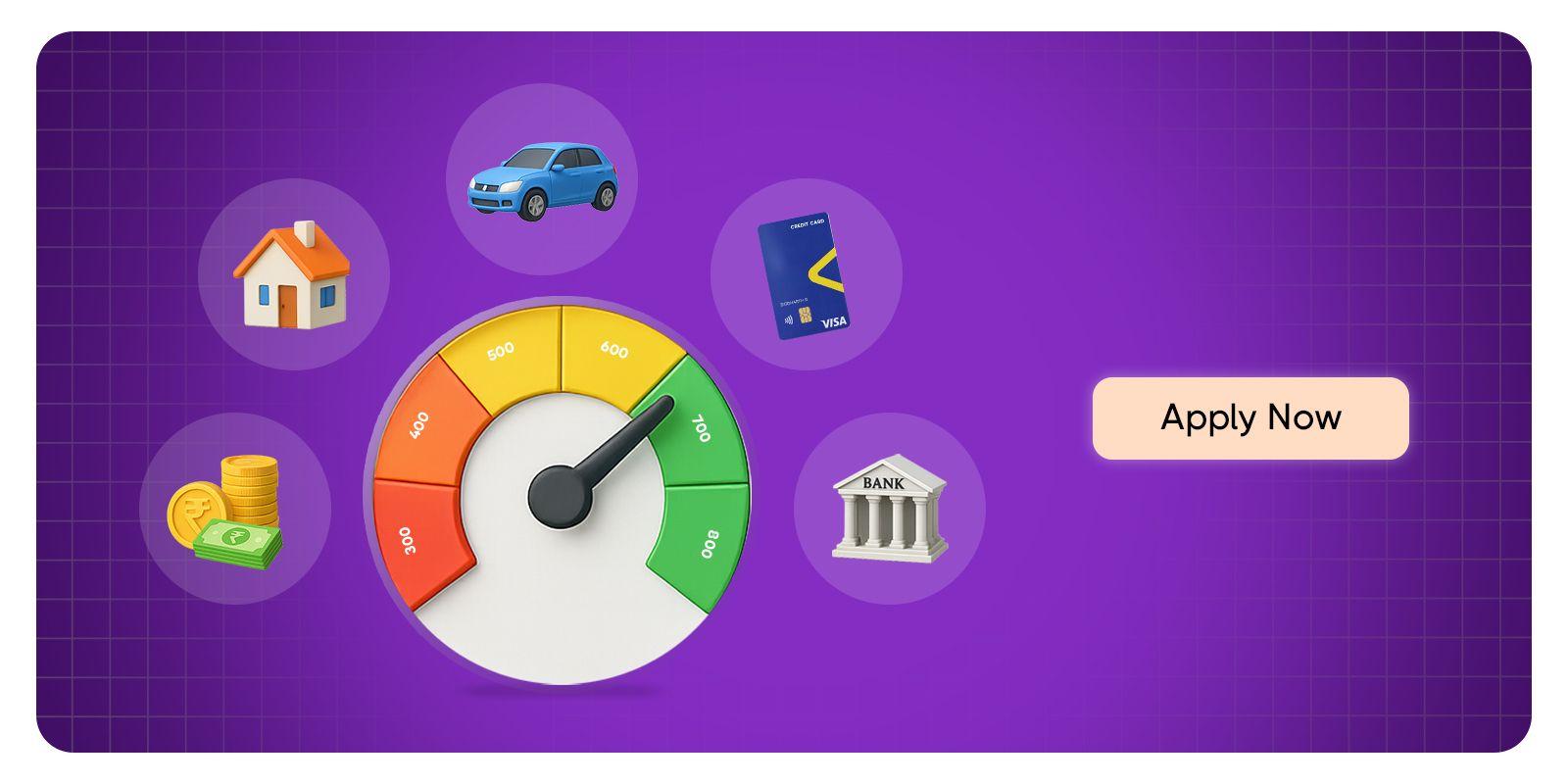
Build and Maintain a 750+ Credit Score