March 11, 2026 · 4 mins read
Santosh Kumar

Yes, usually your FD-backed credit card would get blocked or cancelled if you break the FD linked to it. This is due to the FD being the collateral for the card. Once the deposit is closed, the bank no longer has security against the credit limit, so it might limit or deactivate the card.
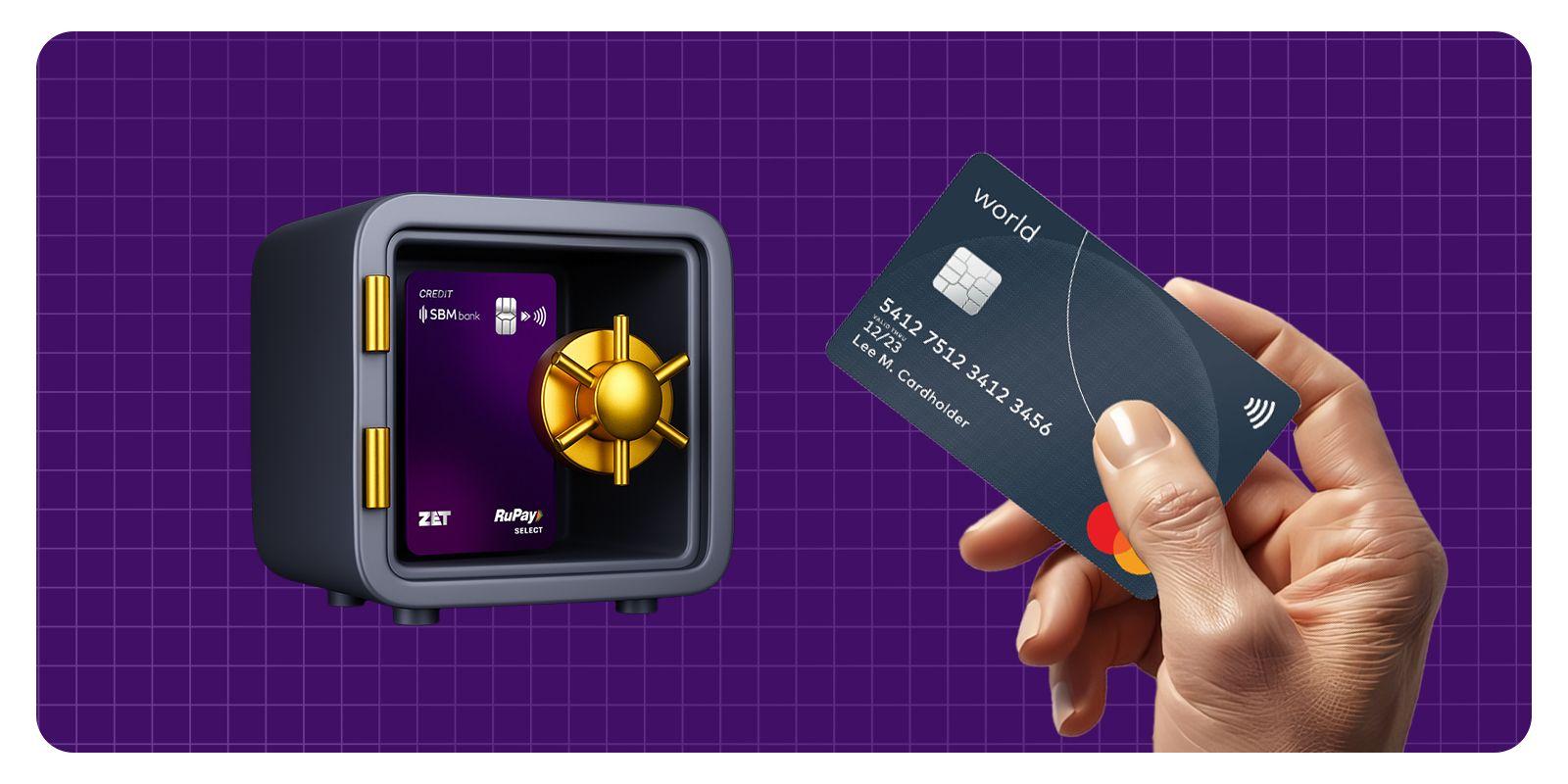
An FD credit card is a secured credit card that is issued against fixed deposit with the bank. It’s often available to individuals with limited credit history or those looking to establish/build their score.
It retains your fixed deposit as security and provides you a credit card whose limit is typically 70–90% of the deposit amount. If the cardholder doesn’t repay, the bank can collect dues from the deposit.
And since your deposit serves as collateral, the card is valid only as long as the deposit is there.

If you prematurely close your FD, the bank may do this with your FD-backed credit card. These fees are based on the bank’s rules, and your balance.
Typically, any of the following can occur:
Situation: No outstanding balance
What the Bank Does: Card may be blocked or cancelled after FD closure
Situation: Outstanding balance exists
What the Bank Does: Bank may deduct dues from the FD amount
Situation: Partial withdrawal requested
What the Bank Does: Bank may reduce the credit limit
Situation: FD transferred to another account
What the Bank Does: Bank may review or reissue the card

Take Rahul, a new professional who opened a ₹50,000 FD and was issued a secured card with a ₹40,000 limit. Six months later he broke the deposit to fund an emergency expense.
As soon as the FD was shut, the bank examined the card. Because the deposit was backing the line of credit, the bank froze the card within a couple of days. Rahul could not pay with it anymore.
But his prior repayments were already reported to credit bureaus, so it gave him a nice clean credit profile.
May the bank permit the card to proceed.
For example, banks might enable the card to stay active if… That’s up to your repayment history and relationship with the bank.
The bank may ask you to create another fixed deposit.
Your card can even be converted to a traditional unsecured credit card if you’ve established strong credit.
The bank could lower the credit limit, rather than cancelling the card. But these aren’t assured, and differ from bank to bank.
Also Read: How to Create a UPI QR Code for Your Shop or Business?
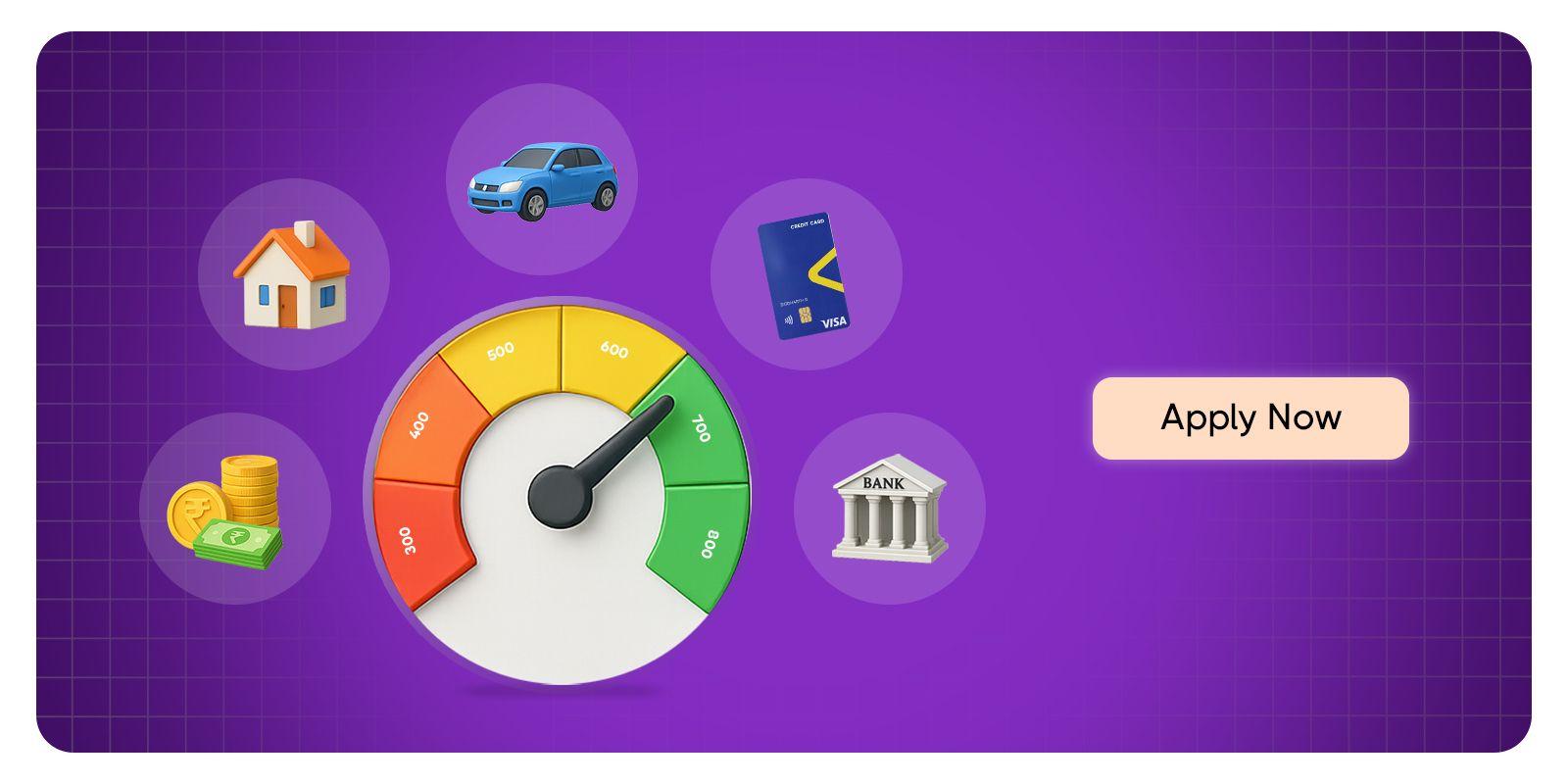
The principal alone breaks the fixed deposit does not impact your credit score. Credit bureaus don’t record fixed deposits. But the credit card associated with the deposit can affect your credit history.
If the card is cancelled after the FD close, the account will just say closed. This typically does not damage your score if all payments were made timely. Issues can occur, however, if you have a balance remaining. If so, missed payments might impact your credit file.
Most likely, yes. The fixed deposit usually serves as collateral for your credit card account, so once it is broken, your credit card account has generally been blocked or cancelled by the issuing bank.
Typically, no. However, depending on your credit profile, some banks may allow you to start a new fixed deposit or convert your credit card to a standard type of credit card.
No, if you applied for and managed the FD account and the credit card account well, your credit report will not be negatively impacted by closing the credit card account, because those accounts are both reflected in your payment history and your credit behaviour.
Yes. If there is an outstanding balance on your credit card account at the time the fixed deposit is closed, the bank may offset it against the net funds paid upon the completion of the fixed deposit.



Contact

care@zetapp.in
Social


Build and Maintain a 750+ Credit Score