December 12, 2025 · 10 mins read
Santosh Kumar

Credit cards have become such a part of the new financial normal that we rarely consider them until they fail—your card expires, gets lost, gets torn, or just stops working. When that occurs, it’s instinctive to experience a brief panic. Thankfully, these days, banks make renewing or replacing a credit card easy, fast, and mostly hassle-free.

Whether your card is approaching its expiry date, has been misplaced, or is damaged beyond use, having a clear understanding of the credit card renewal and credit card replacement process can save you confusion and ensure you are never left without access to your credit limit. This guide steps through the entire path in a human-friendly, easy-to-follow way, empowering you with confidence and clarity.
Every credit card comes with an expiry date printed on the front—usually a format like MM/YY, for example, 07/28. Following this date, the card will not function, even if you have credit available, your payments are current, and your account is open. Card expiration is just a security measure and a card network life cycle to keep the physical plastic fresh with newer technology.
As a general rule, banks begin the renewal process roughly a month or two prior to the expiration. The replacement card is generally mailed automatically to your address on file at no additional fee, unless your bank imposes renewal fees.
Certain banks need you to ask for renewal if
1: Your account has been inactive for a long time.
2: You have overdue payments.
3: You have recently changed your address and have not updated it.
4: Your card has been blocked due to suspicious activity.
In most cases, however, the renewal card comes without you doing anything. When it arrives, all you do is turn it on.
Also Read: What is UPI 2.0?
Each bank has a different way of activating it, but the usual methods are:
1: Sending an SMS to a designated number
2: Using the bank’s mobile app or net banking portal
3: Calling customer services
4: Completing a PIN setup at an ATM
You need to activate it because your replacement card is not active until you consent. For security reasons, your old card is deactivated once it is activated.
Also Read: How To Invest in Post Office FD?
A renewed card usually resembles the old one, but do verify:
1: Your name is printed correctly.
2: The validity period is updated.
3: The card number may remain the same or change depending on the bank.
4: You have received the PIN mailer or instructions to set up a new PIN.
If anything appears amiss, reach out to customer service straight away. A renewal card is, after all, your brand-new financial self, so it counts.
While a renewed card is issued for natural expiry, a credit card replacement happens when your card is lost, stolen, damaged, or suspected of being compromised. Banks handle this more quickly since your card's safety is potentially in danger.
Also Read: Can We Invest Monthly In FD?
You might require a replacement in any of these scenarios:
1: Your card is physically damaged (broken strip, unreadable chip, cracked card)
2: The magnetic strip or chip fails.
3: You lose your wallet or cannot locate your card.
4: Your card may be stolen.
5: Fraudulent transactions are detected.
6: The bank suspects someone else has access to your card details.
7: You receive an error at the terminals repeatedly.
Unlike renewal, a replacement card demands that you act now.
If your card is missing or stolen, your absolute first step is blocking it. Most banks allow blocking through:
1: Mobile banking app
2: Internet banking
3: Customer care helpline
4: SMS service
5: Official WhatsApp banking
6: ATM (in some banks)
And the second you block your card, both on and offline transactions immediately cease. This safeguards you from bankruptcy.
Also Read: How to raise your credit score by 200 points
As soon as the card is blocked, go ahead and request a new one. Banks allow requests through:
1: The mobile app
2: Net banking
3: Customer care
4: Visiting a bank branch
You might be required to explain briefly, depending on the situation.
Many banks charge a credit card replacement fee ranging from ₹100 to ₹500, though some premium cards offer free replacements.
The new card is sent to your address on file. In most cases:
1: Delivery takes 3–7 working days.
2: A courier requires your signature (or Aadhaar OTP)
3: You might have to show ID if necessary.
4: When you receive it, the card will require activation just like a renewed card.
Also Read: How to Increase CIBIL Score from 650 to 750
This is a step customers tend to overlook. If your replacement card has a new number, update it wherever you’ve linked your credit card, eg
1: OTT subscriptions
2: Utility bill auto-pay
3: Insurance payments
4: Online shopping accounts
5: UPI apps (if a credit card on UPI is supported)
6: Wallets such as Amazon Pay or Paytm
Not updating card details means failed transactions later.
Also Read: What is UPI Collect?
Although in both processes you receive a new card, the motivation and immediacy are distinct.
1: Happens automatically
2: Mostly free
3: Meant for cards nearing expiry
4: The old card remains active until the new one is activated.
5: Does not indicate a security threat
1: Must be requested manually
2: May have a fee
3: Immediate blocking is essential.
4: The old card becomes instantly invalid.
5: Important for safety and fraud prevention
Knowing the distinction allows you to behave accordingly.
Also Read: Is BHIM UPI and Google Pay the Same
For a renewal, your old card will cease to function once the new one is active. It is recommended to:
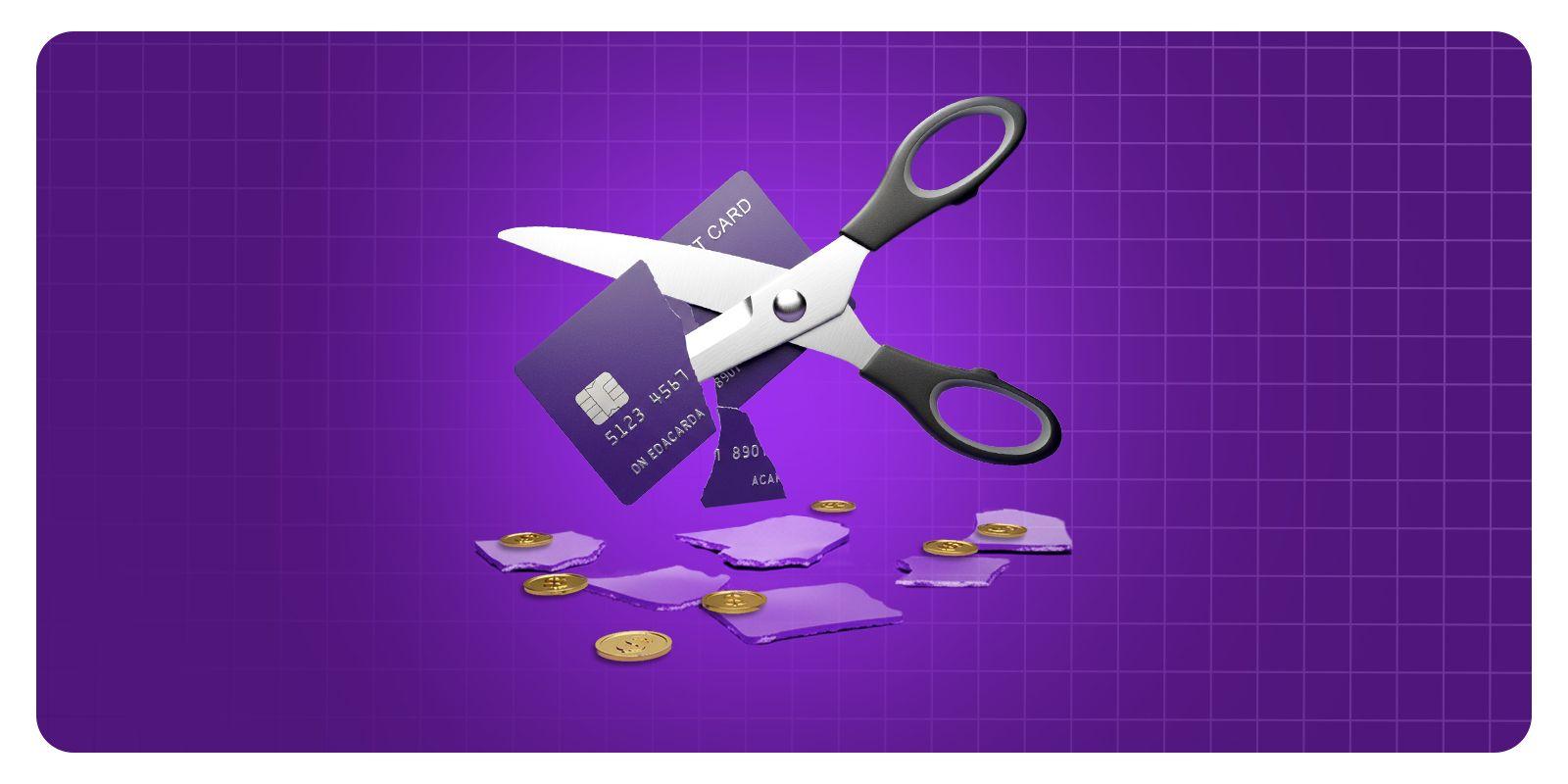
1: Cut the old card into several pieces.
2: Destroy the magnetic strip and chip.
3: Dispose of it safely to avoid misuse.
For replacement, your old card is blocked permanently by the bank as soon as you lodge the request. If discovered subsequently, it’s unusable.
Timelines differ, but you should anticipate.
1: Metro cities: 2–4 days
2: Non-metro cities: 4–7 days
3: Remote locations: 7–12 days
If the card doesn’t arrive on time, verify the tracking via customer support or the bank’s portal.
Also Read: Are UPI PIN and MPIN the Same
No. Your balance, credit limit, billing cycle, and interest rates are all identical. Just because it's a new card doesn't mean it's a new account. It's just a new plastic card associated with your current account.
But you can get card upgrades near renewal time if you’ve been a good credit citizen. For instance, the bank might provide
1: Higher credit limit
2: Low-interest EMI conversions
3: Premium card upgrades
Depending on your bank’s policy:
1: Renewal might be free or come with an annual maintenance fee.
2: Replacement usually carries a fixed charge.
3: Courier or dispatch fees are usually zero.
4: Fraud-related replacement is often free of cost.
Don’t surprise yourself, read your credit card’s schedule of charges.
Also Read: Best Credit Cards for Shopping at Amazon & Flipkart
Many cardholders inadvertently make a mess of this. Some common mistakes include:
1: Forgetting to update the contact address.
2: Ignoring card activation instructions.
3: Not blocking a lost card immediately.
4: Disposing of old cards incorrectly.
5: Assuming that the card number will remain the same.
6: Failing to update auto-debit merchants.
7: Thinking the renewal card must be activated only after the old one expires.
Steering clear of these blunders makes the shift seamless.
A credit card is a key financial instrument that covers everything from day-to-day spending to emergencies and long-term planning. Understanding how to renew your credit card and how to request a credit card replacement ensures that you never face interruptions, financial stress, or security risks.
Renewals are automatic and straightforward, while replacements necessitate initiative–particularly if your card has been lost or stolen. Being informed, maintaining your contact information, and being proactive when issues occur will go a long way towards making sure your credit card experience stays smooth and safe.
Most banks automatically mail a new credit card to your on-file address prior to expiration. You just have to switch it on through SMS, mobile banking, or an ATM. If your card doesn't arrive, get in touch with your bank and ask them to renew it manually.
It depends on the bank. Other banks maintain your card number, while others provide you with a new one for safety purposes. The expiration date and CVV constantly rotate. If it varies, don’t forget to update your auto-payments.
Right away, block your card via mobile banking, net banking, or customer care. Once blocked, request a credit card replacement. Blocking stops fraudulent transactions and safeguards your limit.
Several banks levy a replacement fee of ₹100 to ₹500. Some premium cards may provide free replacements. Fraud replacements are usually free too.
You can typically expect the card within 3–7 business days. In more remote areas, it can take a bit longer. Tracking info is available from most banks.
Yes. Your rewards, credit limit, balance, billing cycle, and account settings are the same. A new card doesn't change your account—just the card itself.
Banks generally request that you create a new PIN. You can do so via online banking, mobile apps, ATMs, or SMS instructions accompanying the card.



Contact

care@zetapp.in
Social


Build and Maintain a 750+ Credit Score