August 20, 2026 · 7 mins read
The ability to use revolving credit is a fascinating experience for any young worker and a first-time earner. Having an opportunity to pay for purchases with borrowed funds and receive substantial benefits for using credit cards makes one feel financially free. However, one should be aware of the rules, ratios, and particular terms related to monthly payments. The primary challenge beginners who decide to open their first credit account face is understanding financial jargon and the specific credit-related terms.
Without proper knowledge of abbreviations, acronyms, and essential concepts, it is difficult to avoid delinquencies and pay off the credit card balance on time. This is why it is vital to learn the definitions and become familiar with the set of terms that one needs to know. Below is a list of credit terms for beginners who want to start using the revolving credit facility.
Table of Contents
1. Understanding Credit Card Essentials
2. Master the Fundamentals of Credit Scoring
3. Avoid Costly Credit Card Mistakes
4. Apply Smarter, Get Approved Faster
5. Protect Your Financial Reputation
6. Conclusion
7. FAQs
Understanding basic credit terms like the billing cycle helps new cardholders avoid unnecessary fees. A billing cycle is typically a 30-day period where your purchases accumulate into a single statement. Timing major purchases right after a new cycle starts gives you more flexibility and extra time before your payment is due. Managing your credit card effectively also requires keeping a close eye on payment timelines.
Another important concept is the grace period. It is a span of time between the closing date of a billing cycle and when the payment is due. By paying off the balance in time, cardholders can avoid getting charged for financing. If balances are carried over to the next cycle, the grace period will be lost. Searching for a credit card to apply online allows applicants to compare grace periods efficiently.
Master the Fundamentals of Credit Scoring
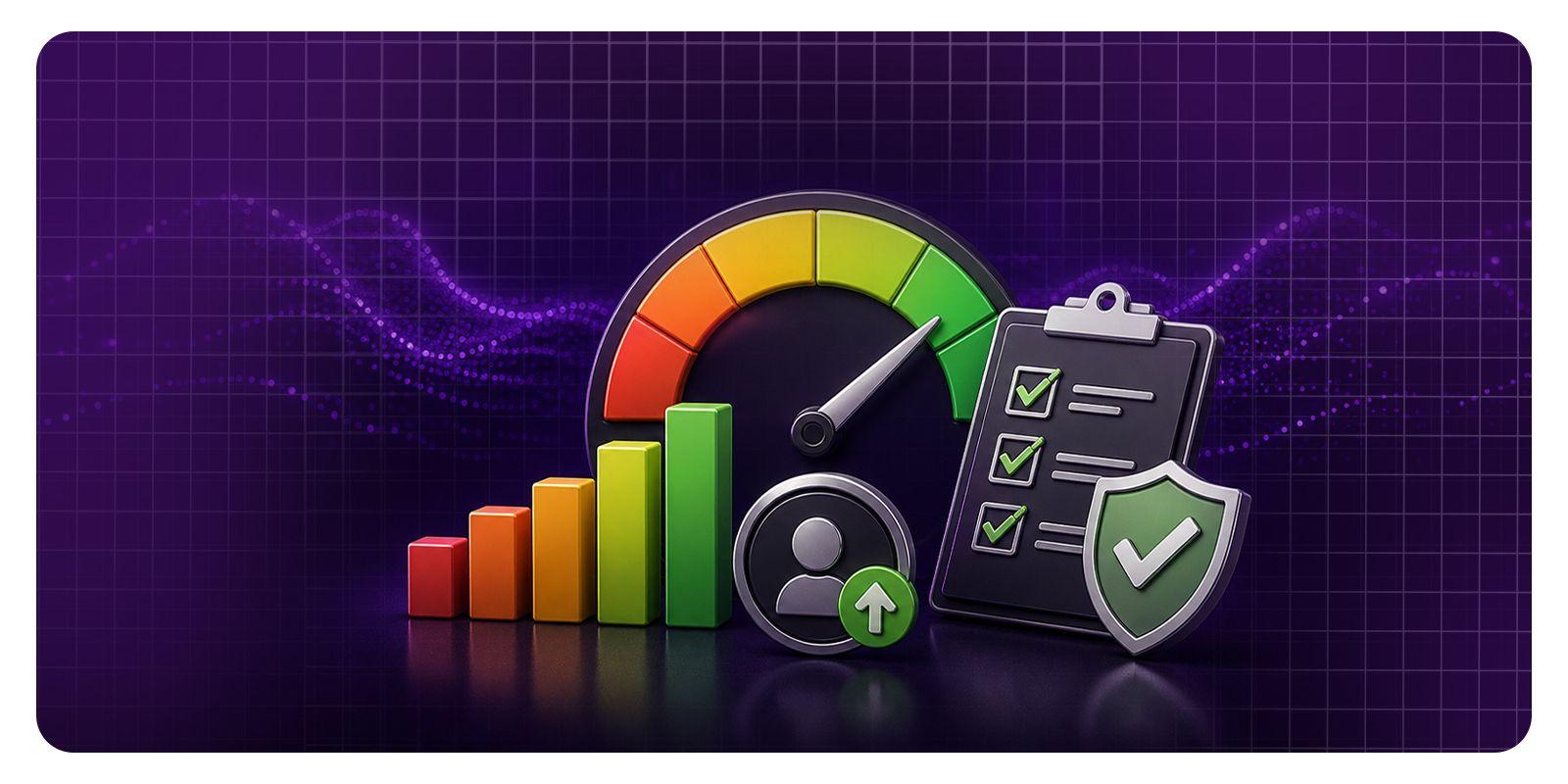
Banks and other financial institutions use a standard risk assessment to score potential borrowers. By learning how they work, anyone can take control of their finances and boost their score to qualify for better rates. In evaluating one’s capacity to pay back a loan, a credit score needs to be understood. When determining one’s eligibility, a lender will first check one’s credit rating.
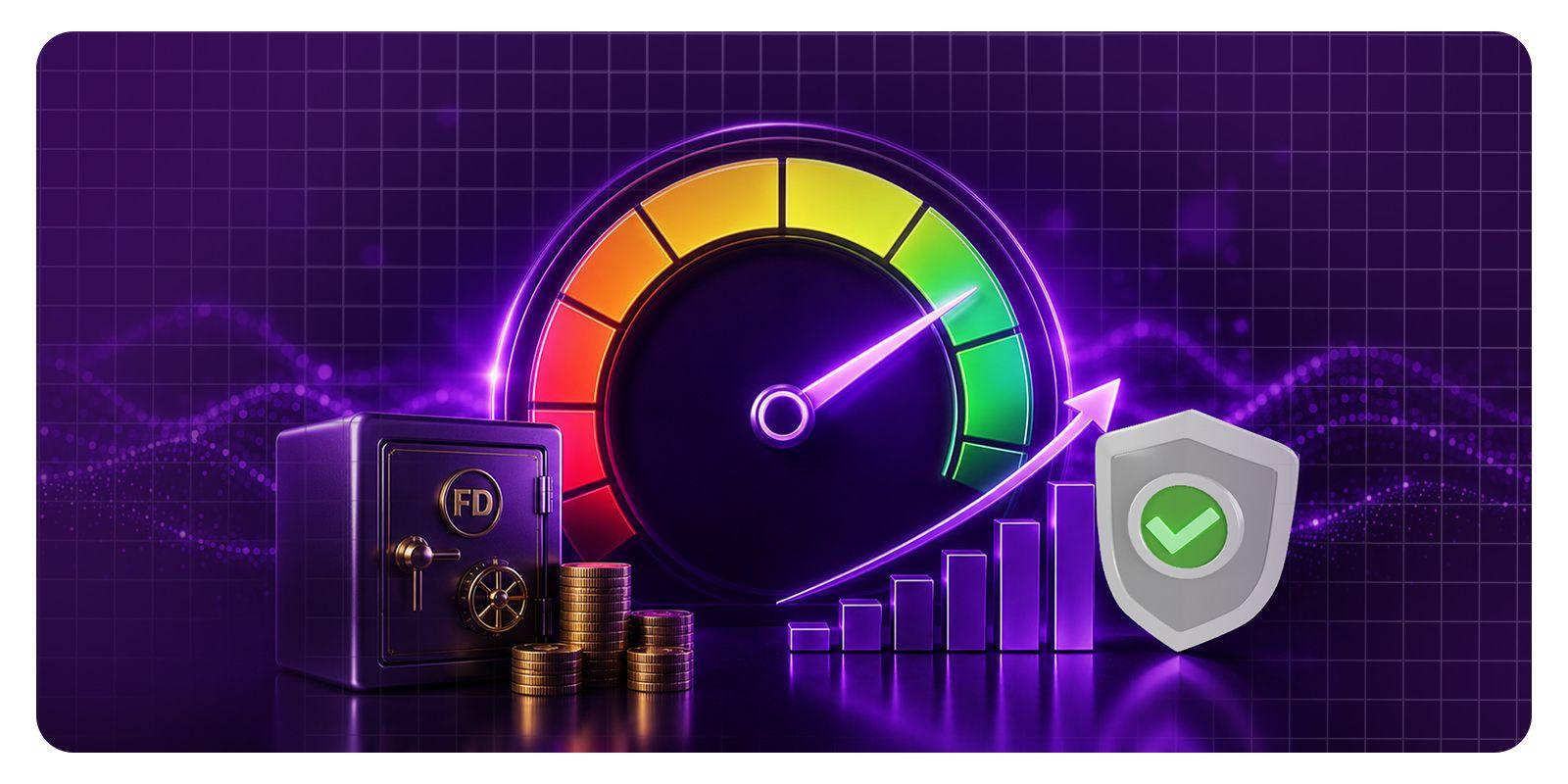
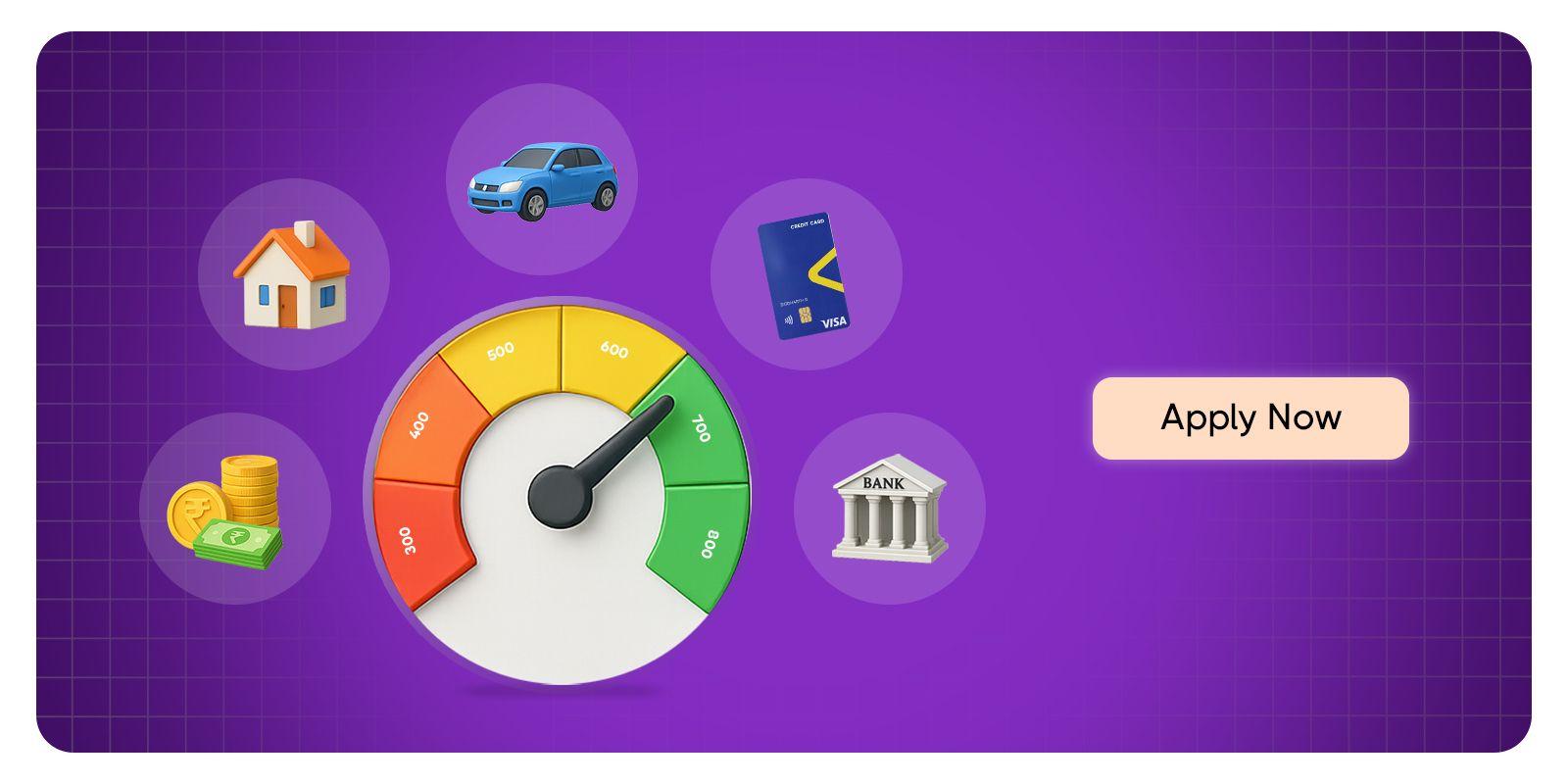
A credit score is a three-digit number that shows one’s reliability as a borrower. It works by assigning points to various behaviours and is arrived at using statistical models. One’s score typically ranges from three hundred to nine hundred, with higher scores signifying better reliability. Maintaining a high credit score is made possible by meeting all obligations, including making payments on time.
In India, a CIBIL score is the most common type of credit score used by banks to evaluate one’s approval risk. They set their own criteria for assessing applications. A good score helps one get approved faster, whereas a bad score can result in a denied application. When looking for the best credit card to apply for, the current CIBIL score needs to be taken into account because it determines which offers one qualifies for.
When managing a personal account, it is crucial to understand the limits and regulations that come with it. Every credit card account comes with a set of limits and rules that govern everything from spending power to emergency funds. By learning how to work around them, one can avoid incurring extra costs. Having a generous credit card limit is ideal, but it is essential to stick to a budget when making purchases.
A credit card limit is a figure that shows the highest amount one can owe on a card account at any given time. This limit is decided by an issuer and is largely reliant on one’s income. Going over the limit can lead to transactions being denied or additional fees being charged. It is possible to request an increase to one’s limit in order to reduce one’s credit utilisation ratio, as long as spending is kept under control. Beyond staying within your assigned limit, avoiding high-cost transaction types is equally crucial for keeping account expenses low.
Understanding cash advance fees is essential for newcomers who have little knowledge about personal credit. Withdrawing cash using a credit card incurs immediate transaction fees and high interest accruing from day one without grace periods. By avoiding getting cash advances, one can prevent extra costs from being added to the balance. Managing credit better works by only making purchases at merchants and ensuring that they are all paid off in full every billing cycle.
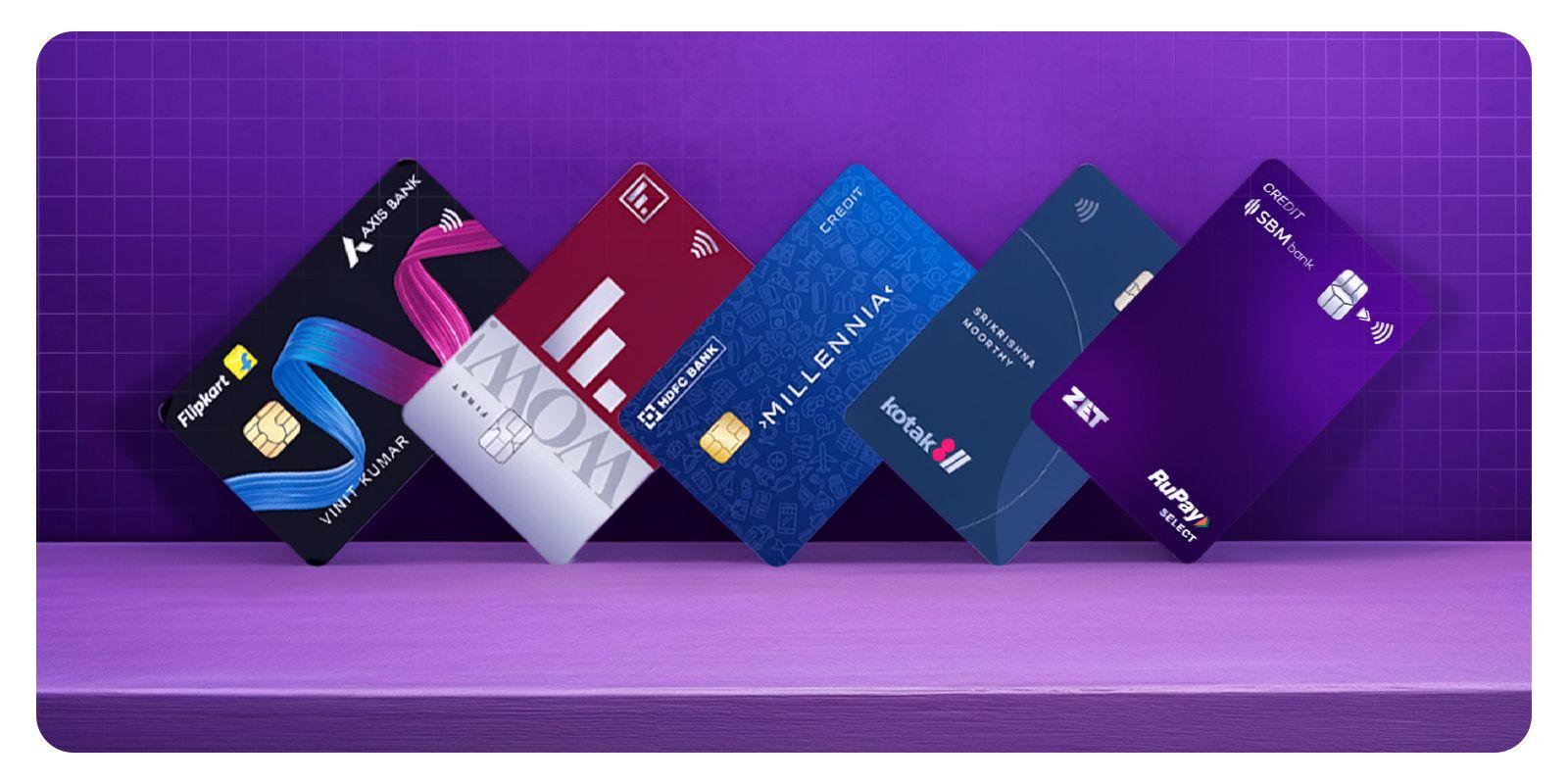
When looking for a credit card, it is important to make sure that the lifestyle matches that of the selected account. Newcomers to credit cards tend to be rejected due to their lack of a credit history. The process of applying can be simplified by learning about the best options for beginners. To ensure the right choice is picked, searching for the best credit card to apply for can help.
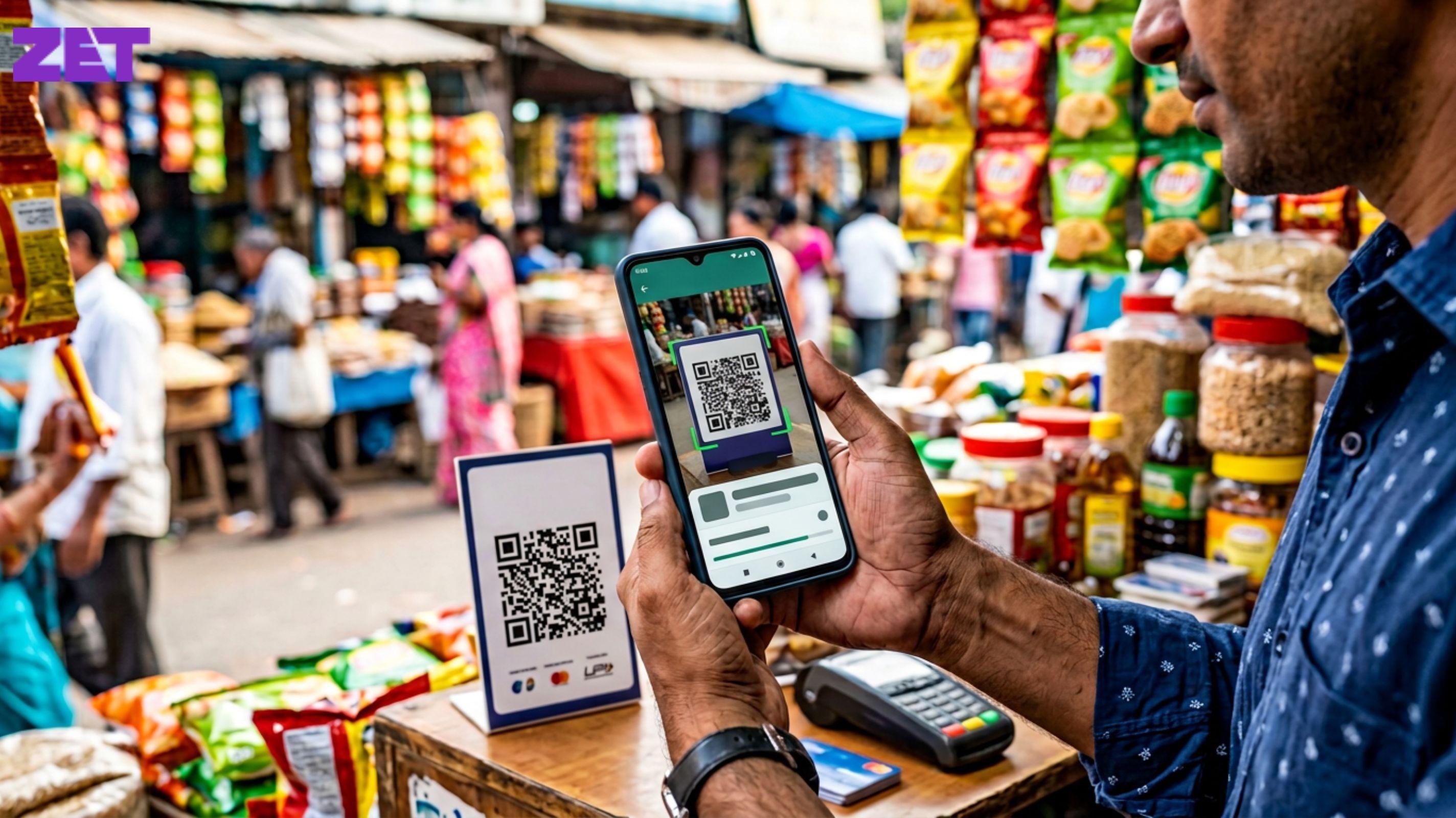
With the rise of technology, several digital platforms have made it easier to apply for credit cards. By searching for a credit card to apply online, one can easily compare options and get one’s eligibility status checked. Doing so allows for submitting documents to verify identity digitally and receiving confirmation about application status without going to a bank branch.
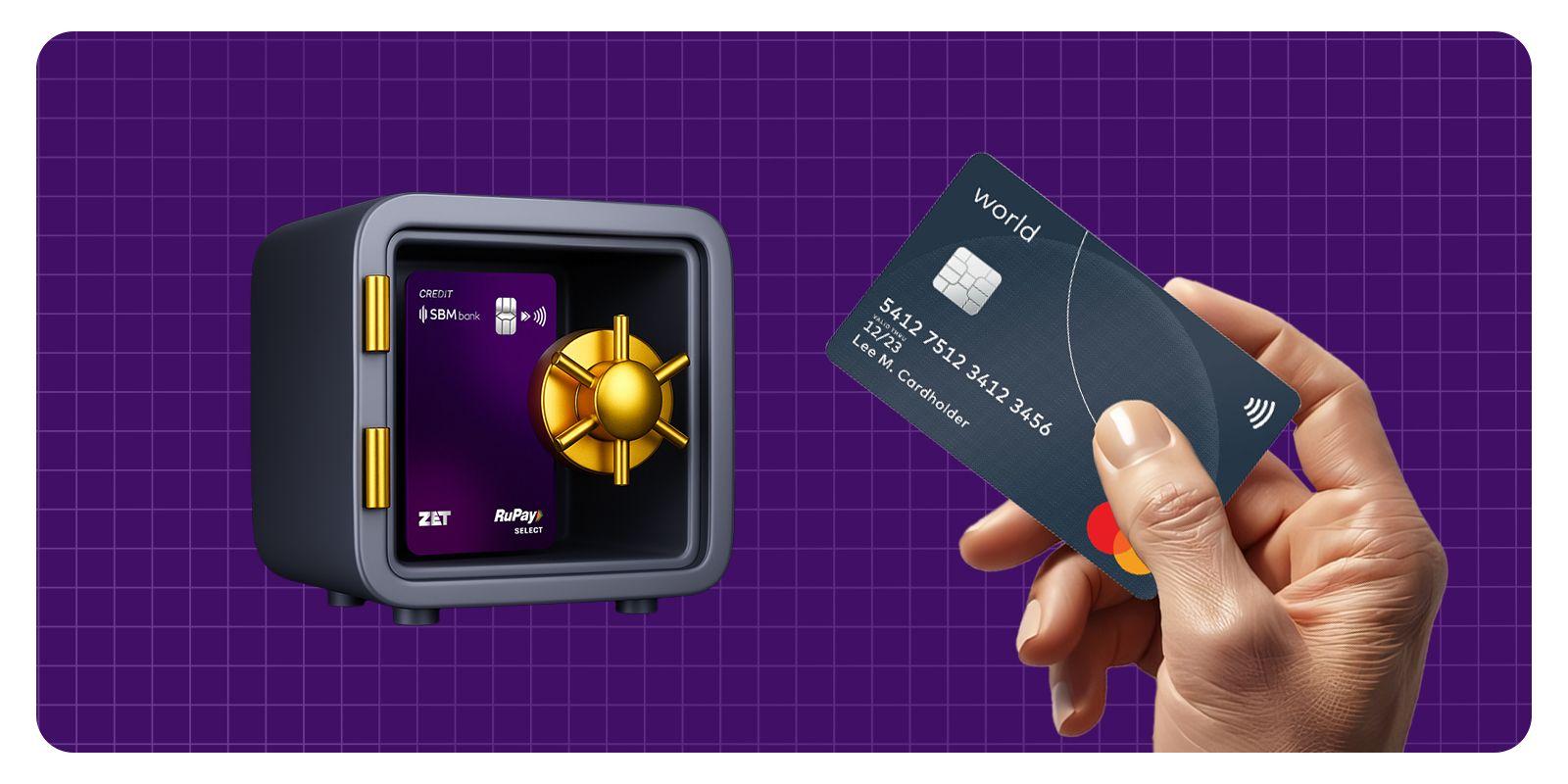
For those without any history or low scores, there are options designed to help them get their first credit card approved. For example, one can apply for the ZET SBM credit card, which is an FD-backed credit card that requires no creditworthiness checks and salary verification. Instead, it uses a fixed deposit as collateral and allows one to earn interest on the amount.
By submitting applications strategically, one can avoid having too many hard inquiries into one’s financial records. Too many applications can lower one’s credit score significantly, affecting any further applications. It is important to ensure that the requirements are met before submitting a request. As such, when looking for the best credit card to apply for, a platform such as ZET can help by suggesting suitable options based on one’s criteria.
In working to maintain a good financial status, it is important to develop good habits. By learning how to use credit responsibly, one can avoid damaging one’s status and negatively affecting prospects. Settling due payments on time avoids having negative information reported to agencies, helping to maintain the status. Set up reminders to ensure that no due payments are missed.
By keeping track of one’s credit card limit, it will be possible to keep one’s spending within one’s budget, using no more than thirty per cent of it at a time. Making sure to check one’s monthly statements allows for spotting and reporting any erroneous charges in a timely manner. Maintaining a conservative approach can allow one to build credibility with credit bureaus, which can be helpful in applying for a home loan or a car loan with ease in the future.
Understanding fundamental terminology is important when navigating personal credit. Familiarity with concepts such as billing cycles and credit metrics enables one to stay away from paying unnecessary charges. Choosing the right entry-level product can help newcomers build credibility, avoiding the challenges that come with having one’s approval denied.
By keeping one’s credit ratio low and settling one’s statement balance in full each time, one can gain access to more benefits. Finding the best credit card to apply for can help one’s long-term financial capabilities. By taking control today, one can rest assured that no challenges will arise when applying later.
1.What is the minimum eligibility to apply for a credit card?
Applicants must be eighteen years old with valid identification proof. Traditional options require income proof, while deposit-backed alternatives grant approval without salary proof.
2.Can you get approved without any financial records?
Yes. Choosing deposit-linked options enables beginners without prior history to get approved and build credit safely over time.
3.How quickly are digital applications approved during online verification?
Digital applications are assessed instantly. Once verified through paperless KYC, virtual credit card access is granted upon approval.



Contact

care@zetapp.in
Social


Build and Maintain a 750+ Credit Score