July 3, 2026 · 7 mins read
Most people who apply for a credit card focus on the benefits, such as cashback, reward points and airport lounges. It's easy to focus on rewards and miss the fees. Then the first statement arrives, bringing annual fees, late payment charges, and foreign transaction fees that can add up quickly. Understanding these charges before you start using your credit card is essential. It helps you choose a credit card that fits your spending habits and avoid unnecessary costs that can build up over time.
Most credit cards charge an annual or joining fee. This can range from ₹500 to over ₹10,000 depending on the card. Some cards waive the fee if you cross a minimum spend threshold in a set period of time. Make sure to read the terms and conditions carefully before applying or acquiring.
If you don't pay your full outstanding amount by the due date, interest gets applied on the remaining balance. Credit card interest rates in India typically run between 36% and 48% per year. That's about 3% to 4% interest every month on any unpaid amount carried forward to the next billing cycle.
Withdrawing cash from an ATM using your credit card is one of the most expensive things you can do. You're usually charged 2.5% to 3% of the withdrawn amount, with a minimum charge of ₹300 to ₹500. On top of that, interest starts immediately with no grace period, often at the same high annual rate.
Missing your due date triggers a late payment fee. In India, this typically ranges from ₹100 to ₹1,300 depending on your total outstanding. It also gets reported to credit bureaus, which hurts your credit score.
Any purchase made in a foreign currency attracts a forex markup, usually 1.5% to 3.5% of the transaction value. If you travel often or shop on international websites, this adds up quickly.
Spending beyond your approved credit limit comes with a penalty, usually around 2.5% of the overlimit amount. Some credit card issuers block the transaction outright; others allow it and charge you afterwards.
Every fee and interest charge attracts 18% GST on top. This is often the part people miss when calculating their actual cost of using a credit card.
Your eligibility for credit card directly impacts the kind of card you qualify for. Each card comes with its own fees, benefits, and eligibility requirements. Here is what banks typically look at when determining your eligibility:
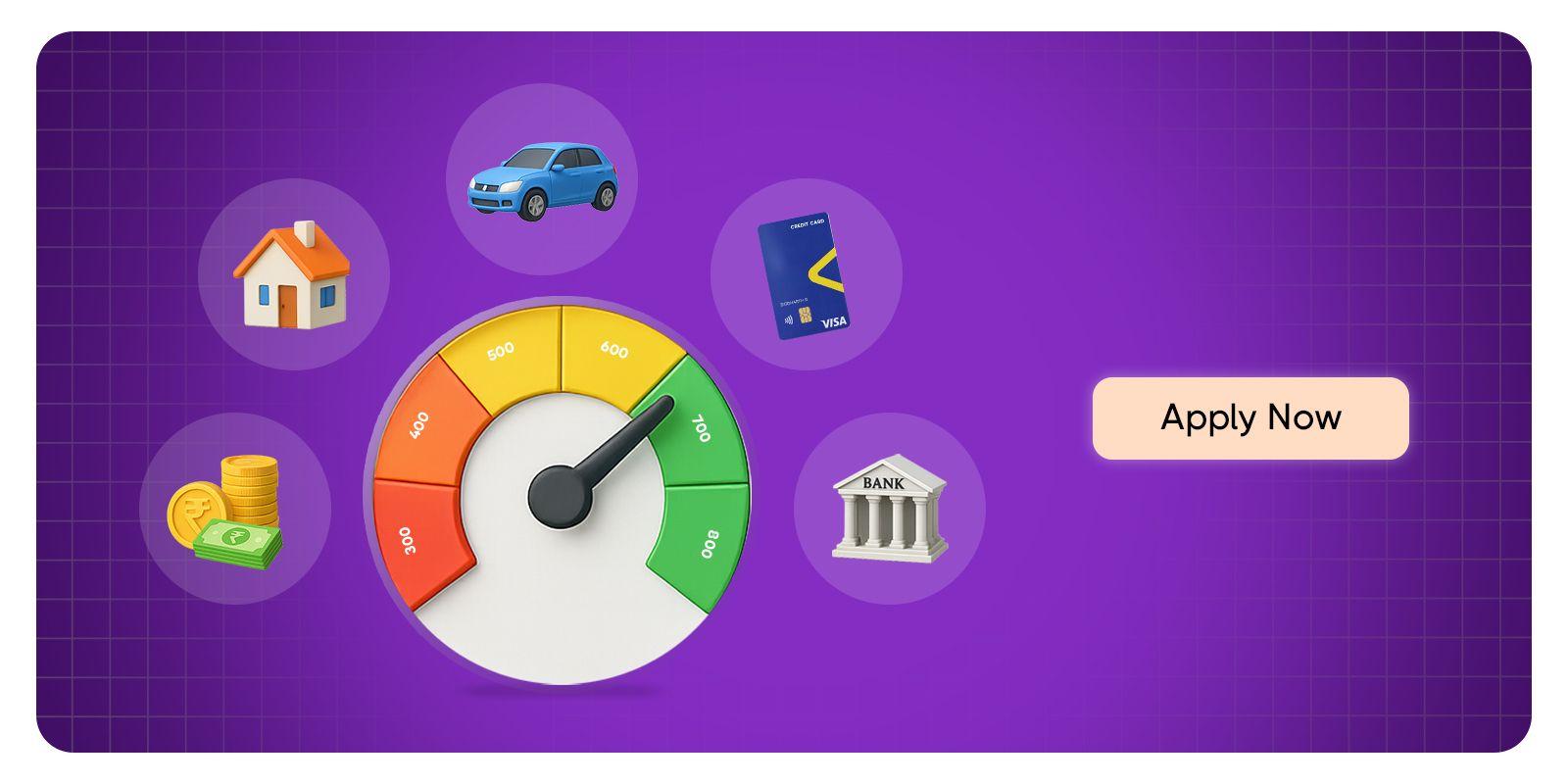
People who don't meet income or credit score thresholds often get pushed toward secured cards or cards with higher fees and lower limits. Others searching for a credit card without CIBIL score find that their options are limited to FD-backed cards, which have a different fee structure.
If your CIBIL score is low or you're new to credit products, a credit card without a CIBIL score requirement is a practical starting point. These cards don't rely on your credit history for approval. The fixed deposit you place acts as the security, which is why the eligibility process is easier.
An FD credit card follows the standard fee structure of most commercial banks. Some of the most common charges include interest on unpaid balances, cash withdrawal fees, and penalties for missing a payment due date.
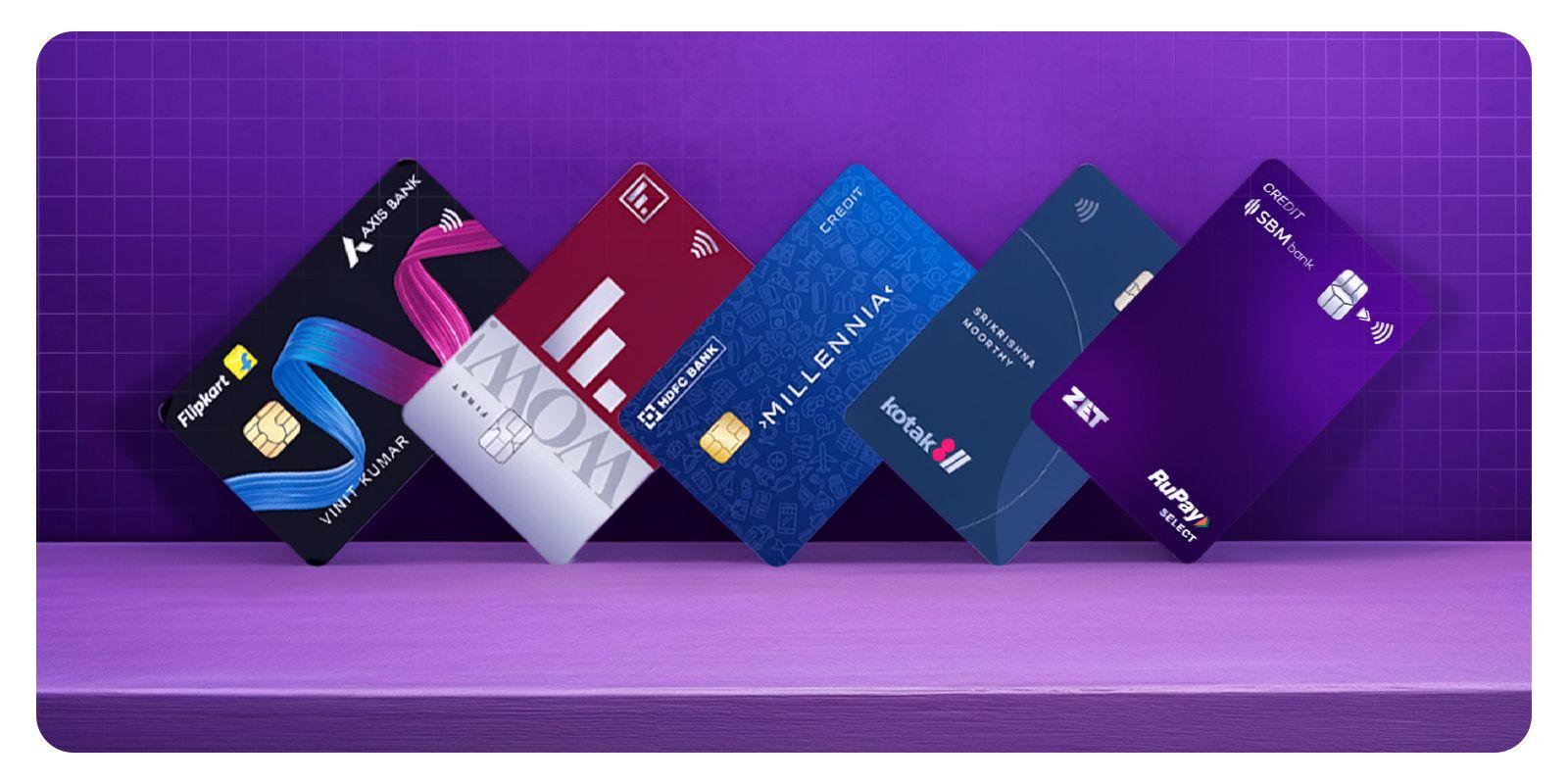
People looking to apply for an FD credit card have several options available. For example, the ZET SBM Credit Card is a fixed deposit-backed credit card issued in partnership with SBM Bank India. The charges on these cards tend to be more transparent because your credit limit is typically 80-90% of your FD amount, making it easier to know how much you can spend.
Before you complete an ‘FD credit card apply’ process with any credit card provider, check if there is a joining fee. What's the interest rate if you carry a balance? Is the FD earning interest while your card is active?
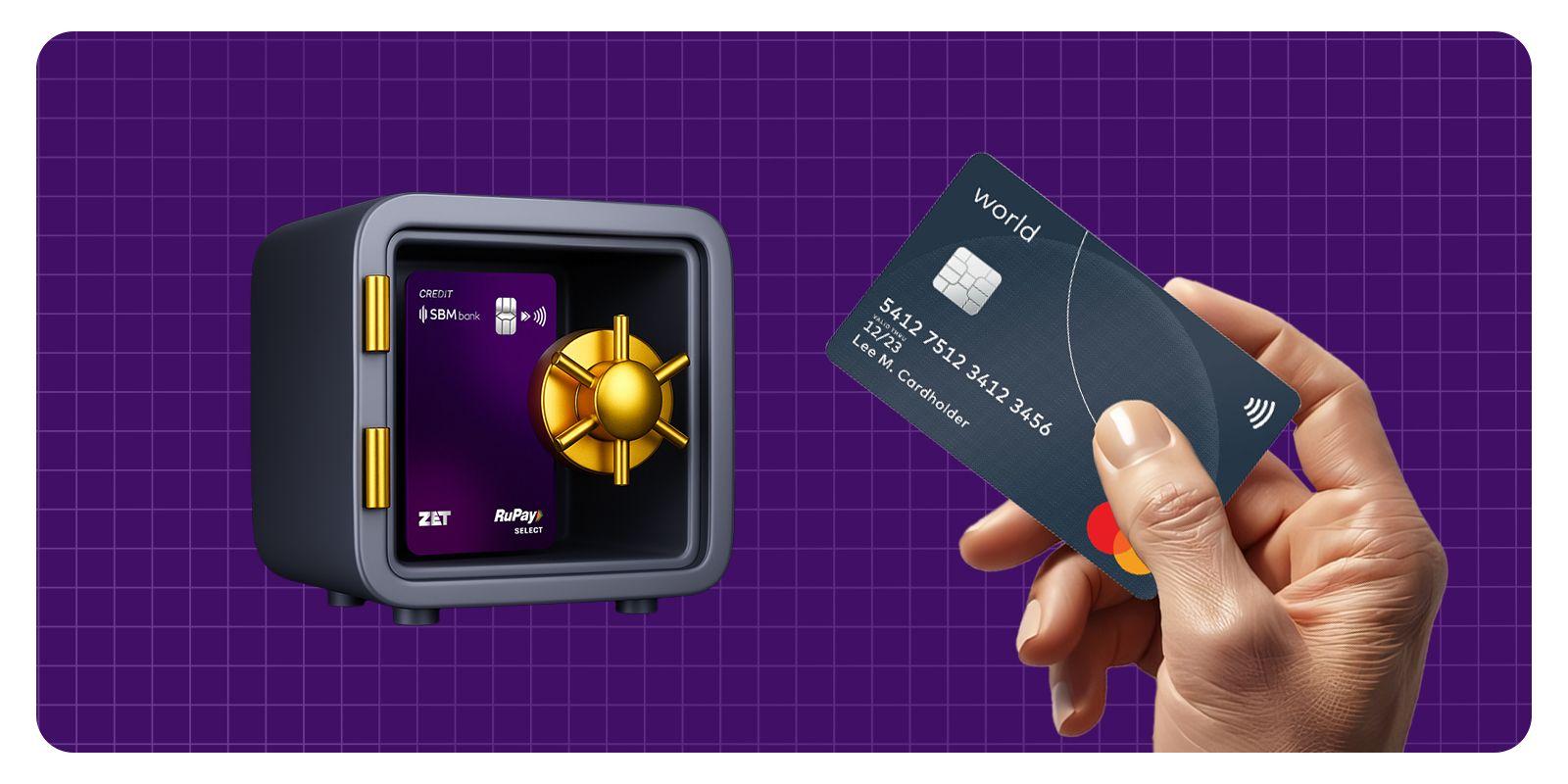
A fixed deposit-backed credit card, like the ZET credit card, helps reduce the risk of overspending because your credit limit is linked to the money you have already set aside. This way, the credit card provider takes on less risk, and you get a clearer view of how much you're able to spend.
The ZET Credit Card is an FD-backed credit card made in partnership with SBM Bank, where you book an FD starting at ₹2,000, and 90% of that amount is set as your credit limit.
The main advantage is simple. Your spending stays within a set limit, making it very unlikely that you'll exceed your credit limit and face extra charges. And since the credit card is designed for people who may be applying for a credit card without CIBIL score, eligibility for a credit card becomes much simpler.
The ZET Credit Card also helps you build a strong credit score of 750+ over time. By using the card regularly and paying your bills on time, you create a positive repayment history. This shows lenders that you can manage credit responsibly, and as your credit score improves, you may become eligible for regular unsecured credit cards.
Credit card fees are not hidden, but they are easy to ignore until you have to pay them. Annual fees, interest on carried balances, cash advance charges, late payment penalties, and foreign transaction markups all have a real cost. Knowing each one before you apply is the only way to make sure the card you choose actually fits how you spend.
If you have a low credit score or no credit history, an FD-backed credit card can be a simpler and safer option. Your spending limit is fixed, and you build your credit history at the same time.
1. Can I get a credit card without CIBIL score in India?
Yes. FD-backed credit cards do not require a CIBIL score for approval. You place a fixed deposit with the bank, which acts as collateral, and get a credit limit based on that deposit. This makes it one of the most accessible options for first-time credit users or those with no credit history.
2. What is the eligibility for credit card approval with an FD-backed card?
The eligibility for credit card approval with an FD-backed card is straightforward. You typically need to be an Indian resident above 18 years of age and make a minimum fixed deposit. No income proof or minimum credit score is required. The FD amount determines your credit limit.
3. How does the SBM credit card work for FD-backed products?
SBM Bank India issues FD-backed credit cards through fintech partnerships. When you book an FD with SBM Bank, the bank issues an SBM credit card against that fixed deposit.
4. What should I check before I complete the ‘FD credit card apply’ process?
Before you apply for an FD-backed credit card, check whether there's a joining or annual fee, what interest rate applies if you carry a balance, whether the FD earns interest during the card's active period, and what the minimum FD amount is. For people searching for terms like FD credit card apply, these four points determine the actual cost of the card.



Contact

care@zetapp.in
Social


Build and Maintain a 750+ Credit Score