September 16, 2026 · 7 mins read
Getting a credit card sounds easy enough until you find yourself actually comparing multiple credit card options. Every credit card looks like a bargain at first glance, yet the real differences show up in the fine print. The credit card limit, interest rates, fees, and reward systems decide whether the credit card works for you or against you. Knowing what you should be looking for before you commit yourself to a credit card offer could prove useful.
Most people pick a credit card based on a flashy welcome offer or a friend's recommendation. That approach may not give you the results you want. A credit card that works for a frequent traveler might not be a good match for someone who mostly spends on groceries and bill payments.
Before applying for a credit card, look past the offer and check the actual credit card benefits attached to the card, such as cashback categories, fee waivers, and how the issuer calculates interest.
You should also consider how the credit card determines your eligibility and credit limit. For example, ZET takes a different approach. Instead of handing out a credit line based on income documents or a credit score check, it links your credit card to your own fixed deposit, which changes how the approval and spending process works.
Your credit card limit is the maximum amount you can spend using the credit card in a billing cycle. Banks usually set this limit based on your income, existing debts, and credit score. If you're new to credit or don't have proof of steady income, you often end up with a low credit limit or may even be rejected for a credit card.
This is exactly where the credit card limit can become a challenge for first-time applicants. A credit card limit that's too low restricts your flexibility, while a credit card limit that's too high can push you toward overspending. The ideal credit card limit gives you room to make necessary purchases while keeping your credit utilization ratio under control, ideally below 30%.
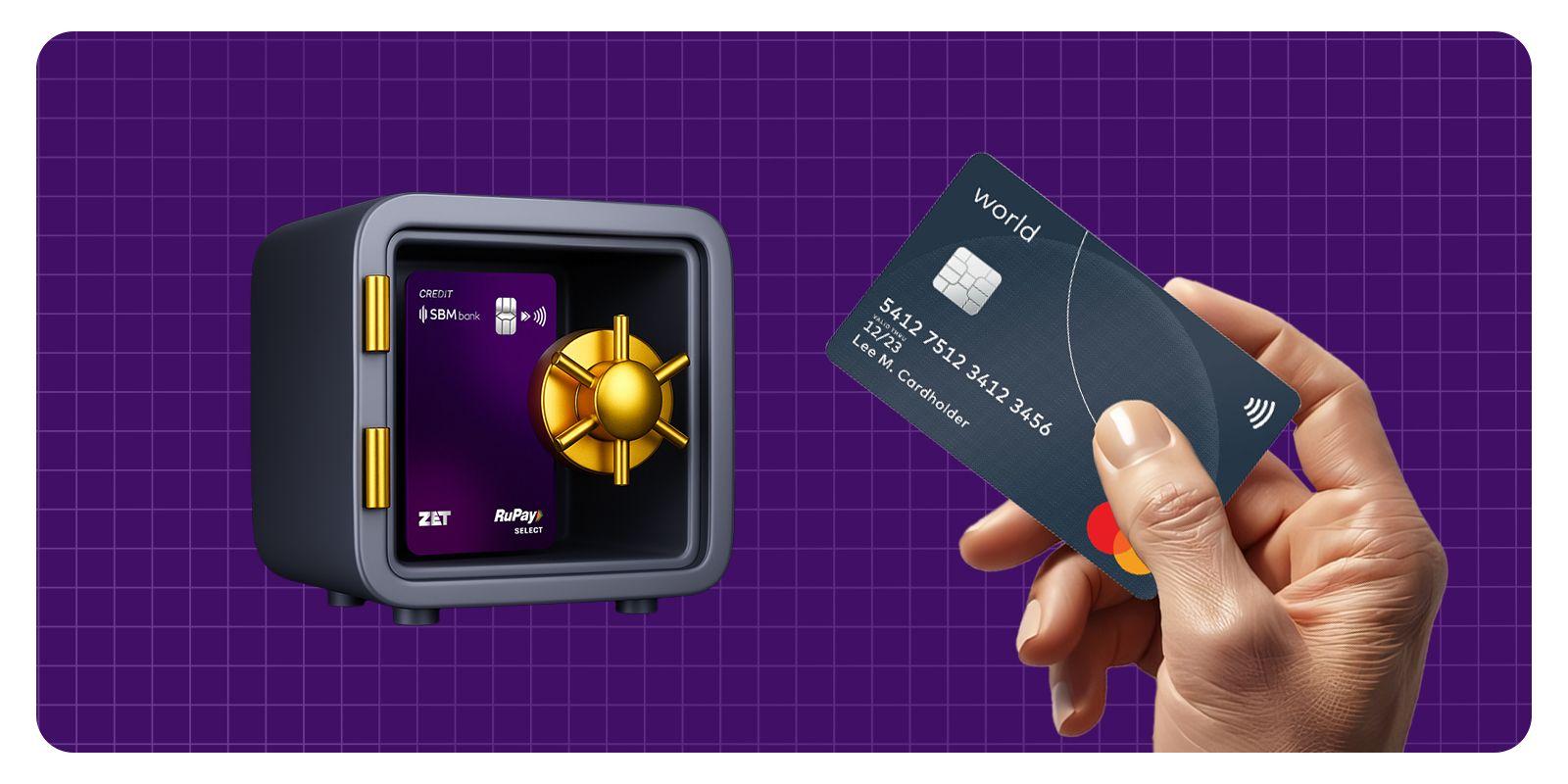
With a ZET FD credit card, the credit card limit is tied directly to your fixed deposit. You can access up to 90% of your FD amount as your spending limit. There's no dependency on income proof or an existing credit history, which makes it a practical starting point if you're building credit from scratch.
Rewards programs vary a lot between credit card issuers. Some credit cards offer flat cashback on every transaction, while others reserve the best credit card benefits for specific categories like dining, fuel, or online shopping. Check whether the rewards actually match your spending habits before you commit. A travel credit card doesn’t make sense if you rarely book flights.
Annual fees, joining fees, and late payment charges quietly eat into whatever rewards you earn. People searching for terms like ‘credit card on benefits’ are usually trying to figure out whether the perks outweigh the costs. Read the fee schedule carefully, including charges for cash withdrawals and foreign transactions, since these add up fast if you're not paying attention.
If you ever carry a balance instead of paying in full, the interest rate becomes the most expensive part of the credit card. Rates on unsecured credit cards in India often range between 30% and 45% annually.
Look beyond the headline interest rate and check for hidden charges, such as over-limit fees, EMI conversion charges, and reward redemption fees. Some credit cards charge you just for converting a purchase into EMIs, which defeats the purpose of easing your repayment. A credit card with a slightly higher annual fee but no hidden charges often works out cheaper over a year than one that looks free upfront.
Secured credit cards, like FD-backed options, typically carry lower interest rates because the issuer has your deposit as collateral. That reduces their risk, and in most cases, that saving gets passed on to you through better terms. This is also why a lot of first-time applicants search for terms like ‘credit card on benefits’ while comparing secured versus unsecured credit card options.
There isn't a single best credit card to apply for that works for everyone. The right choice depends on your income stability, spending pattern, and how disciplined you are with repayments. Someone with a steady salary and strong credit history might benefit from a premium travel credit card. Someone just starting out needs a credit card that builds credit without exposing them to high risk.
If you don't have income proof or an existing credit score, the best credit card to apply for is usually one that doesn't require these documents or a credit history. ZET's FD-backed credit card can be a useful option in this situation. You can start with a fixed deposit as low as ₹2,000, earn up to 7% interest on that FD, and still use up to 90% of it as your credit card limit. You get the flexibility of a credit card without taking on debt beyond your own savings.
| Feature | What to Look For | | ----- | ----- | | Credit card limit | Matches your spending needs without encouraging overspending | | Interest rate | Lower is better, especially if you might carry a balance | | Annual fee | Check if it's waived on spending a set amount | | Rewards | Aligned with your actual spending categories | | Eligibility | No income proof needed makes approval easier for beginners | | Credit-building potential | Reports to credit bureaus to help raise your credit score |
Checking whether the credit cards you’ve shortlisted meet the requirements in the table before applying can help you avoid surprises later. People searching for ‘credit card on benefits’ who are trying to shortlist their credit card options may come across a similar table.
Picking a credit card isn't about choosing the first offer you see. It's about matching the credit card's limit, fees, interest rate, and rewards to how you actually spend and repay. Take the time to compare these features properly, and you'll avoid applying for a credit card that looks good on paper but costs you more than it benefits you.
If you're unsure where to start, look for credit card options that keep your risk low while still building your credit profile, since that combination usually works out to be the best credit card to apply for in the long run.
1. What is a good credit card limit for a first-time applicant?
A good starting credit limit is one you can comfortably repay in full each month. Try to keep your spending below 30% of your total credit limit. A higher limit can make it easier to overspend before you build good repayment habits.
2. How do credit card benefits differ between banks?
Benefits vary based on the card's category. Some banks focus on travel perks, others on cashback or fuel surcharge waivers. Always match the credit card benefits to what you actually spend on.
3. Is an FD-backed credit card a good option for beginners?
Yes. Since the credit limit is backed by your own fixed deposit, approval doesn't depend on income proof or an existing credit score, making it easier for first-time users to start building credit safely.
4. What should I check before applying for any credit card?
Compare the credit card limit, interest rate, annual fee, and reward categories of at least two or three credit card options. Also check for hidden charges like EMI conversion fees or foreign transaction markups before signing up.



Contact

care@zetapp.in
Social


Build and Maintain a 750+ Credit Score