June 18, 2026 · 7 mins read
Most people think managing a credit card is complicated, but the truth is, it comes down to a handful of small decisions made consistently. How much you spend, when you pay, and which card you choose quietly shape your entire financial future. You don’t need a finance degree or a high salary to get it right. You just need the right habits and a clear understanding of how every swipe either works for you or against you.
Most people think big financial wins come from big financial moves, such as a sudden salary hike or a lucky investment. But when it comes to credit, it is actually the small, consistent habits that quietly determine whether you qualify for a home loan at a comfortable interest rate or for any kind of credit. Here are a few habits that make a real difference:
Credit cards are powerful tools. When you search for ‘credit card to apply online’, it is not just about the credit limit that you will get, but also important that you use it wisely after you receive it. Once you have access to a credit card, you get financial flexibility to cover both emergencies and opportunities. But just as they can elevate your financial life, they can also pull it in the wrong direction if handled carelessly. The difference almost always comes down to habits that add up over months and years.
One of the single most impactful things you can do for your financial health is to pay your credit card bill in full, on or before the due date, every month. A large number of cardholders consistently make only the minimum payment due. The minimum payment keeps your account active and spares you late fees, but it also means your remaining balance starts attracting very high interest charges.
Here is what happens when you build the habit of paying in full instead:
A CIBIL score that shows consistent, on-time full payments is one of the strongest signals a lender can receive. It tells them you are disciplined, reliable, and low-risk, which are three qualities that open major financial doors.
The second powerful habit is knowing exactly how much of your credit limit you are using at any given point. This metric, called the credit utilisation ratio, is one of the most important factors in a credit score check. Experts consistently recommend keeping this ratio below 30%. Breaching this threshold, even if you make timely payments, can quietly drag your score downward. These are some ways to stay within credit limits:
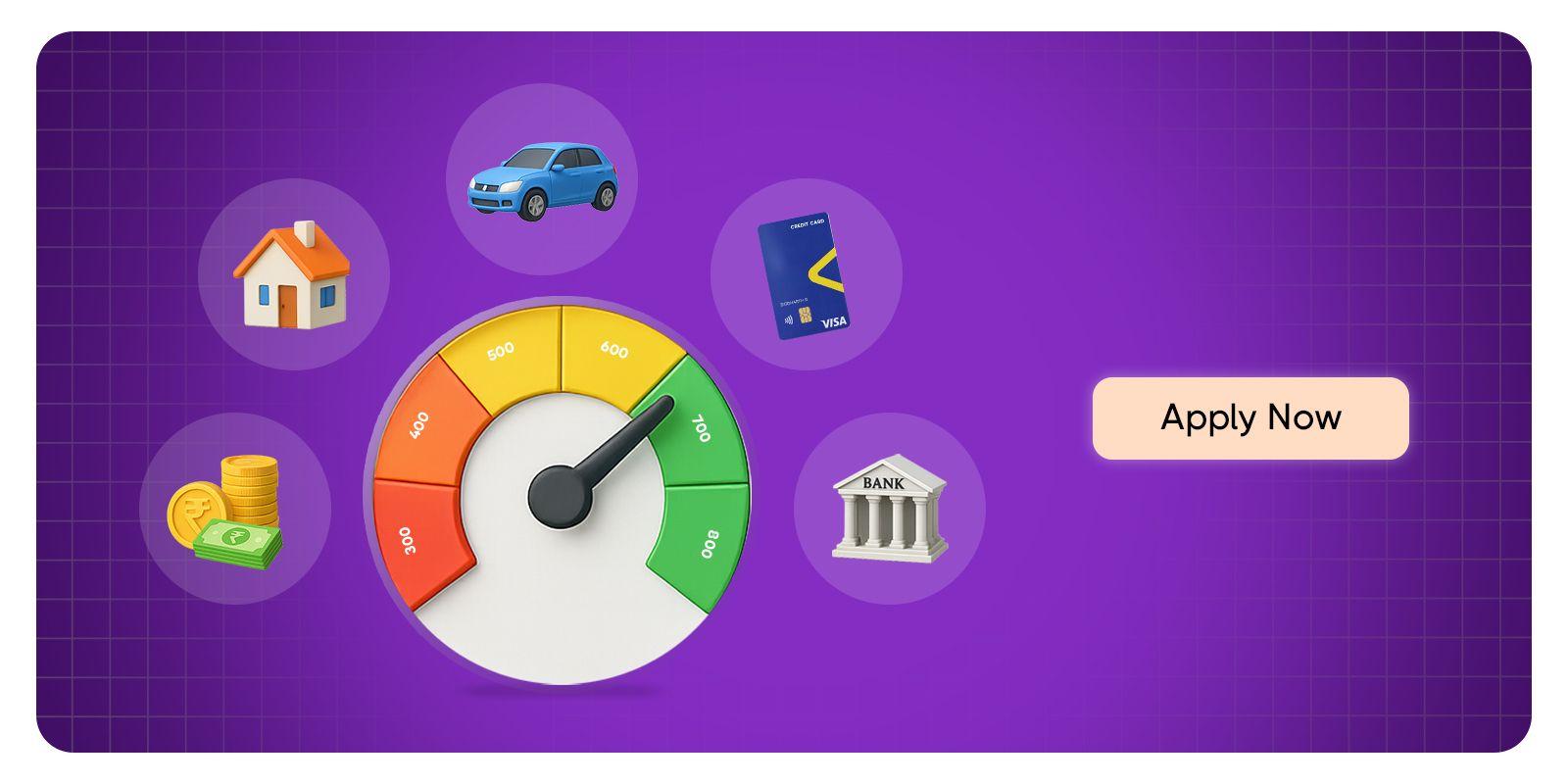
Keeping your credit usage low is especially important if you plan to go through a CIBIL score check before applying for a home loan or personal loan. Even a small difference in your credit score can affect the interest rates offered by lenders. The gap between a 680 score and a 750+ score can mean the difference of several percentage points in interest rates.
Choosing a credit card that matches your spending habits, income, and credit history requires careful thought and comparison. Many people search for ‘credit card to apply online’ and apply for any card that shows up without checking whether the card actually suits their spending patterns, income level, or credit history. So before you apply, ask yourself the following questions:
The credit card benefits that matter most are not just cashback or airport lounge access. The most meaningful benefit is whether the card actively helps you build a stronger financial profile over time.
Individuals who are new to credit or rebuilding from a low credit score often search for ‘credit card without CIBIL score’. This is where a secured, FD-backed option, such as the ZET FD Credit Card, offers a smart entry point. With an FD starting at just ₹2,000, it removes the most common barriers people face when trying to apply for a credit card online.
Building a strong credit score is not a one-time event. It is an ongoing practice that rewards consistency. Here are the habits that compound over time:
For those who are new to credit or have a low credit score, ZET’s approach allows users to apply for a credit card online without a CIBIL score, income proof, or credit history, making credit card benefits accessible to millions of Indians.
A good credit score is not built in a single day. It is built by paying bills in full, keeping the credit utilisation ratio low, choosing the right credit card, and doing a regular credit score check to stay on top of your profile.
For beginners applying for a credit card without a CIBIL score, approval is possible through secured credit cards backed by a fixed deposit. Building healthy financial habits from the start is the fastest route to achieving a 750+ credit score and long-term financial freedom.
1. Can I apply for a credit card online without a CIBIL score?
Yes. Certain secured credit cards, including ZET’s FD-backed credit card, allow users to get a credit card without CIBIL score or income proof. Approval is based on a fixed deposit rather than your existing credit history.
2. How often should I do a credit score check?
It is recommended to do a CIBIL score check online at least once every month. Regular checks help you spot errors or sudden drops early so you can address them before they affect loan or card applications.
3. How can I build a 750+ credit score if I have no credit history?
Start with a secured credit card that does not require a credit history to get approved. Use it regularly for small, manageable purchases and clear the full balance every month. Do a CIBIL score check online every few months to track your progress.



Contact

care@zetapp.in
Social


Build and Maintain a 750+ Credit Score