September 15, 2026 · 7 mins read
You apply for an ‘instant online credit card’, only to find out that the credit card application has been rejected for insufficient credit history. This happens more often than you'd expect, especially if you're new to or haven't used credit products before. A thin credit file means lenders don't have enough data to judge how you repay. This blog breaks down what a thin credit file means, why it happens, and what you can do about it.
A thin credit file is a credit report with very little information in it. You might have one or two accounts, a short repayment history, or no credit history at all. Bureaus like CIBIL need at least six months of activity to generate a reliable CIBIL score. Without that, your report shows up as "no history" or "-1," and lenders read this as a risk they can't measure.
This lack of data isn't limited to credit cards. Landlords and employers may also check your credit report as part of their screening process. A thin credit file can slow down these approvals too, and not just banking ones, because the same "insufficient history" tag shows up everywhere your credit report gets checked.
This is different from having a low CIBIL score. A low CIBIL score means you've borrowed and struggled to repay. A thin file means you simply haven't borrowed enough for anyone. Students, young professionals, homemakers re-entering the workforce, and people who've only ever used cash tend to fall into this group.
Here are a few common situations that lead to a thin credit file:
None of these situations mean that you're financially irresponsible. They just mean the credit bureau has no recent data to work with. The gap in your credit file shows up the moment you apply for something like an ‘instant online credit card’ and get an unexpected rejection.
Credit card issuers set your credit card limit based on your income, existing obligations, and credit history. With a thin file, they have no repayment pattern to reference, so they either reject the credit card application outright or approve a very small limit. This can feel frustrating if your income supports a much higher credit limit, but from the lender's side, it's simply lack of data.
Banks assess your credit risk based on your credit report. A thin credit file often means a higher interest rate, a lower approved loan amount, or a request for a co-applicant or guarantor. Some lenders will decline the credit card or loan application altogether and ask you to build a credit record first.
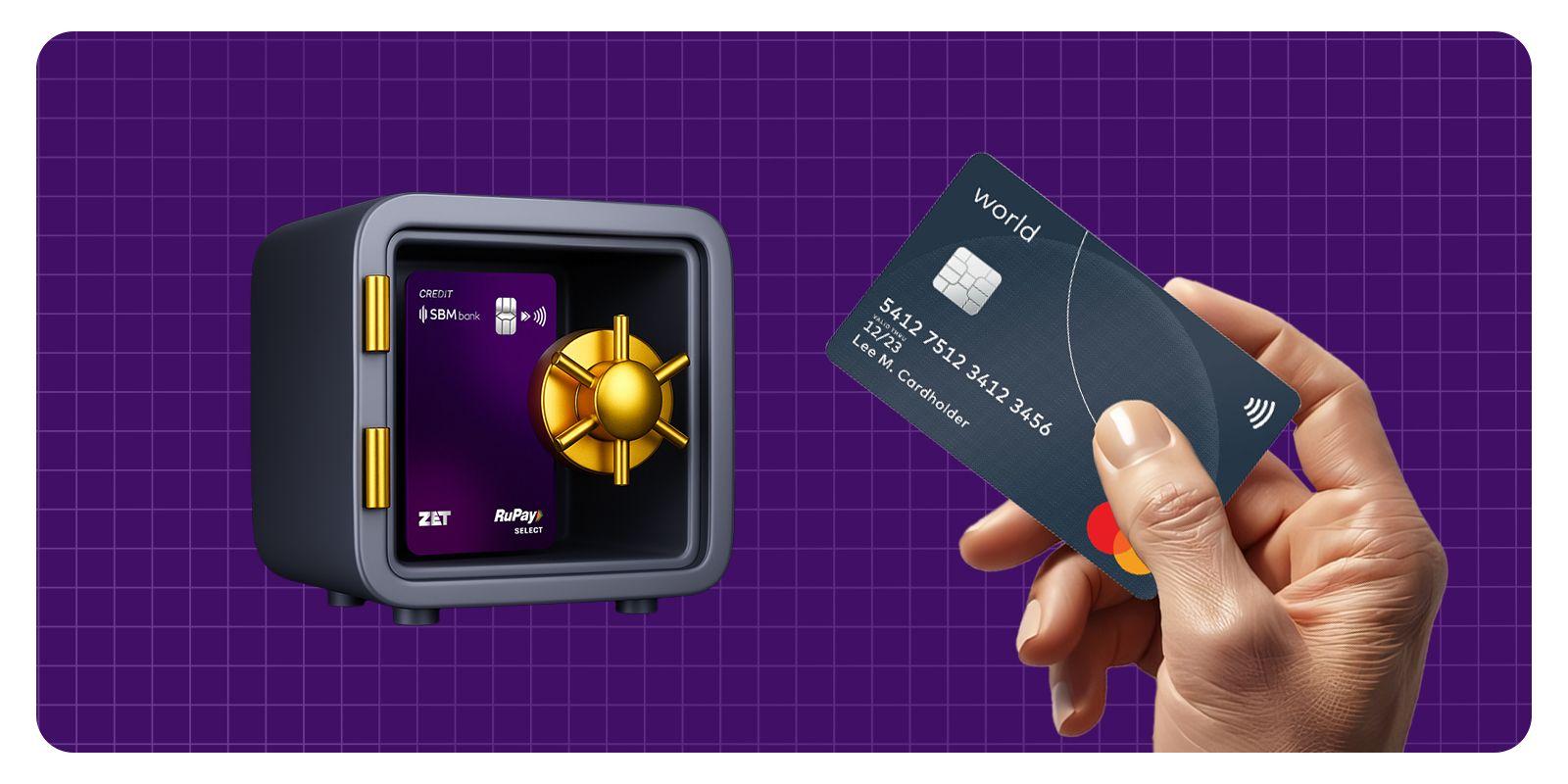
This is exactly where the ZET FD-backed credit card can help you get started. Since it's backed by your own fixed deposit rather than a credit line, ZET doesn't reject applicants for having no credit history or no income proof. You get a working credit card, and every on-time repayment starts feeding your credit file.
Before you try to fix anything, run a CIBIL score check online to see where you actually stand financially. Most people search for a ‘CIBIL score check online’ at least once a year, and it's a good habit even if you're not planning to borrow soon.
Here's how to do a CIBIL/credit score check:
1. Visit the official CIBIL website or an RBI-approved partner platform
2.Enter your PAN, date of birth, and contact details
3.Verify your identity through an OTP
4.View your credit score and download the full report
Checking your own CIBIL score this way counts as a "soft inquiry" and doesn't affect your credit score. It is recommended that you run a CIBIL score check every few months so you catch errors or thin-file issues early, instead of finding out during a credit card or loan application.
It also helps to check your CIBIL score right before a major application, like a home loan or a new credit card, rather than months in advance. Credit scores shift as new information gets reported, so a check done too early can give you an incorrect sense of where you stand.
Building a credit file takes time, but you can speed it up with these tips:
1. Start with a secured credit product: A fixed deposit-backed card reports your repayments to the bureau without requiring income proof or an existing credit score.
2.Use a small credit line consistently: Keep your credit utilization ratio under 30% of your credit card limit and pay in full each month.
3.Add a small personal loan if needed: Even a modest loan, repaid on time, adds positive data to your credit file.
4.Avoid multiple applications at once: Each credit card or loan application does a hard inquiry that impacts your credit/CIBIL score slightly, and too many applications in a short span look like credit hunger to lenders.
5.Keep old accounts open: A longer credit history strengthens your credit file over time.
6.Become an authorized user on a family member's card: If a parent or sibling has a long, well-managed credit history, being added as an authorized user can let some of that positive credit history reflect on your own credit file.
7.If you want a low-risk starting point, ZET's FD-backed credit card is worth a look. You book a fixed deposit starting at ₹2,000, earn up to 7% interest on it, and get a credit card limit worth 90% of that deposit. There's no income proof or existing CIBIL score required, which makes it a practical option if you’re searching for terms like ‘instant online credit card’ for someone starting from zero.
A thin credit file just means you haven't given lenders enough data to work with yet. Once you know the reason, you can improve your credit profile with small, consistent steps. Start with a secured or FD-backed credit card, keep your credit utilization ratio low, pay on time, and run a credit score check every few months to track your progress.
1. How long does it take to fix a thin credit file?
Most people see a visible credit score within six to twelve months of consistent, on-time repayments. The exact timeline depends on how much activity you add and how regularly you use your credit product.
2. Does a thin credit file mean I have a bad CIBIL score?
No. A thin file means there isn't enough data to generate a CIBIL score at all, while a low CIBIL score means you have a history of missed or delayed payments. They require different fixes.
3. Will running a CIBIL score check online lower my CIBIL score?
No. Checking your own CIBIL score online is a soft inquiry and has little to no impact on your CIBIL score. Only hard inquiries from lenders during credit card or loan applications affect your CIBIL/credit score.
4. Can someone with no income proof still get a credit card limit?
Yes, with the ZET FD-backed credit card, your credit limit is based on your fixed deposit amount rather than income documents, so it works even for first-time credit card applicants.



Contact

care@zetapp.in
Social


Build and Maintain a 750+ Credit Score