June 18, 2026 · 8 mins read
At 21, every piece of financial advice sounds overwhelming. This blog highlights all the necessary details and gets straight to the habits that actually shape your credit health, your savings, and your financial confidence over time. It also explains how ZET can help you start building your credit health from scratch. You do not need a high income or a finance degree. You just need a few basics in place, and 21 might just be the ideal age to build strong financial habits for the future.
Table of Contents:
You should begin your financial journey by taking notes of your financial purchases in a simple and refined manner. Do not focus on making a spreadsheet; just have a clear idea of where your money is going each month. A lot of 21-year-olds who run short before the month ends are not overspending on big things. It is the small stuff. Food deliveries three times a week, subscriptions you forgot about and an impulse buy here and there. Spending 600 rupees on delivery three times a week is 7,200 rupees a month. That number looks different when it is written out.
Once you have the above-mentioned clarity, searching for a 'credit card to apply online' starts to feel less overwhelming and more intentional. You know what you spend, you know what you can manage, and you are no longer just picking a credit card because it looks good. But before you apply, there is one thing that will determine whether you get approved at all: your credit score.
Understand What A Credit Score Actually Is
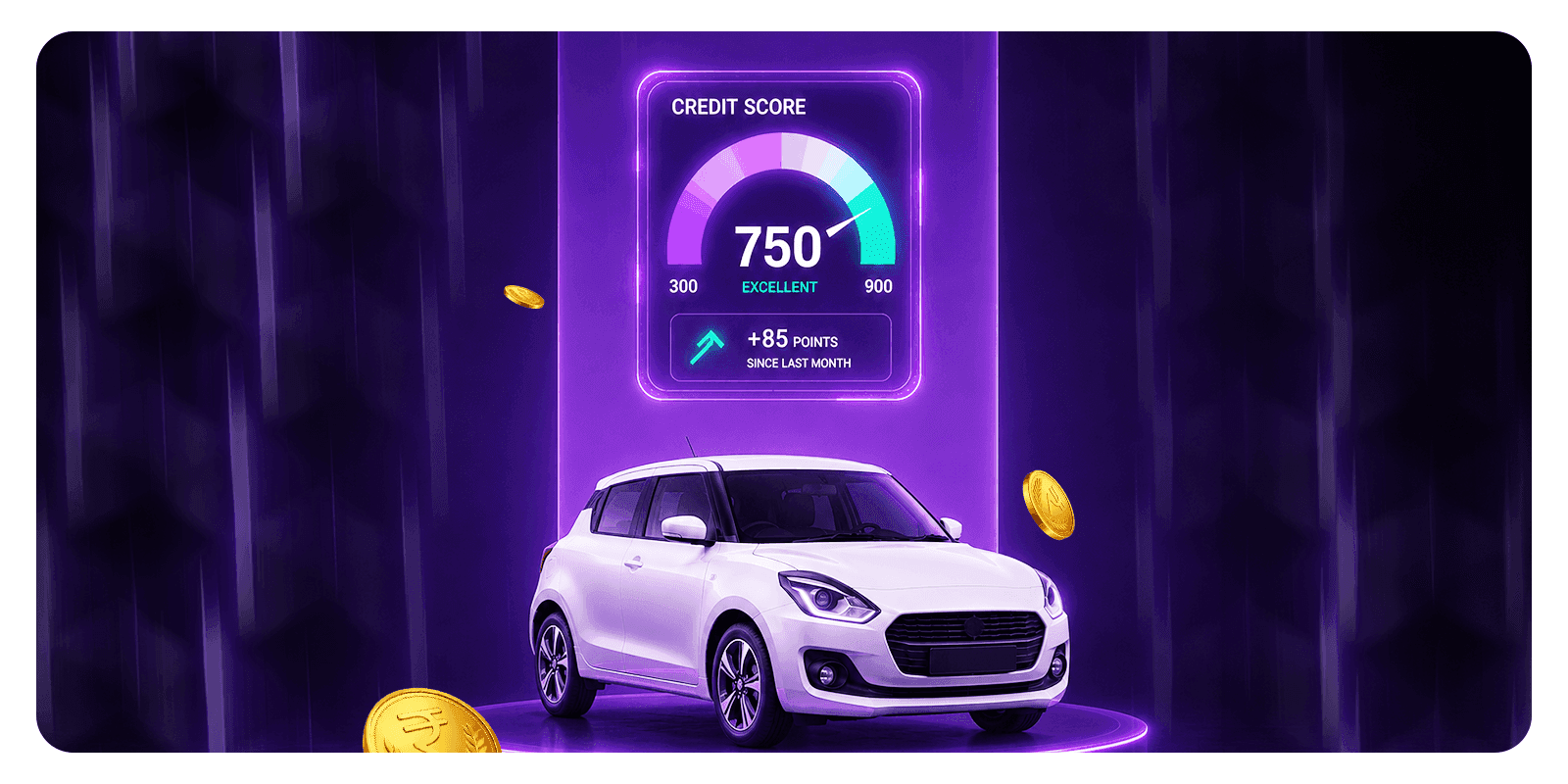
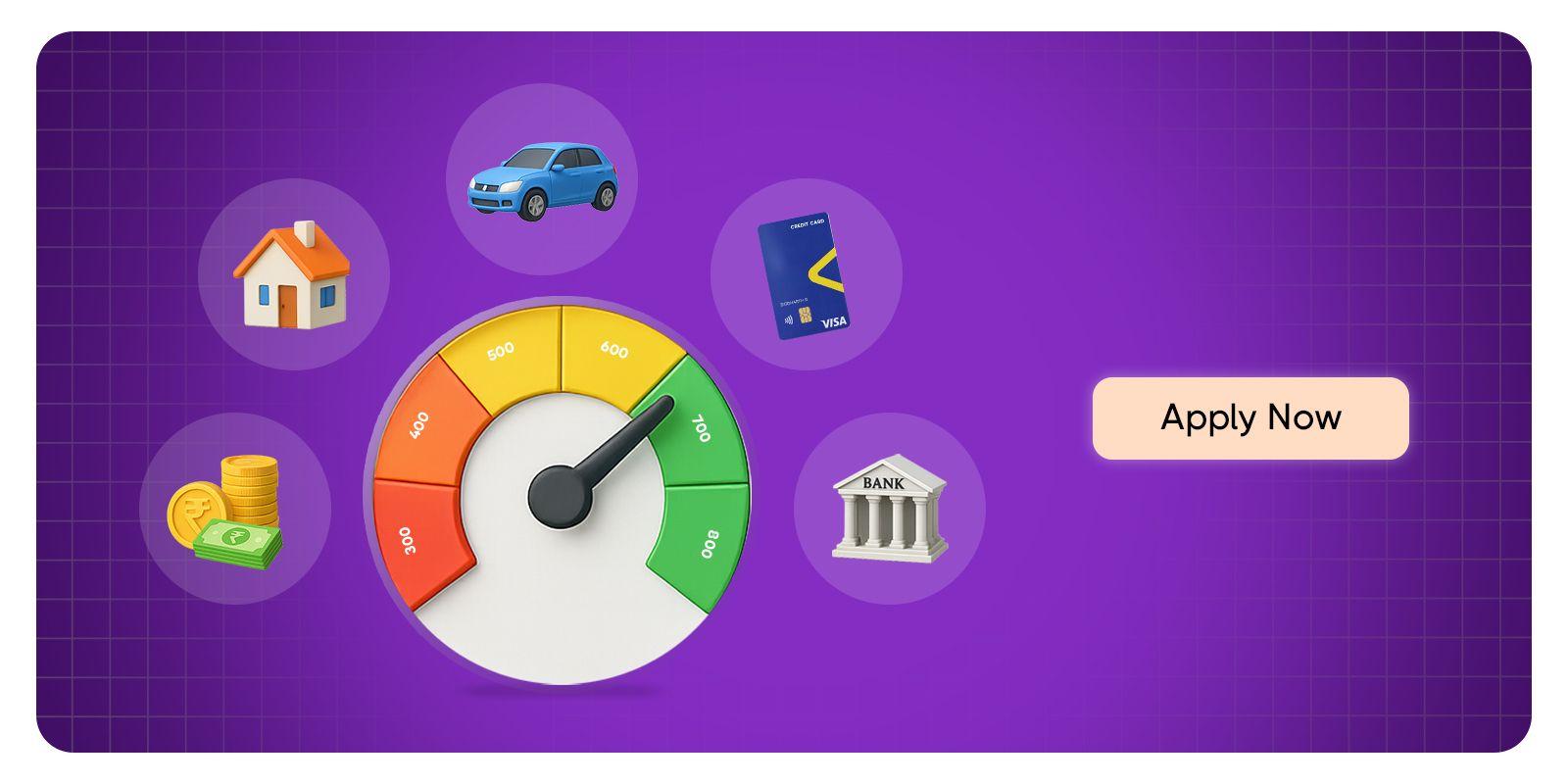
Your credit score is a unique three-digit number that shows how well you can manage borrowed money and how likely you are to repay it on time. Credit scores in India range from 300 to 900. A higher score means that you manage credit responsibly, which presents a strong portfolio.
A score above 750 is generally considered good, and it can help you get loan approvals more easily, while a lower score can lead to frequent rejections on loan and credit card applications, or higher interest rates on loans. Alongside this, certain factors are taken into consideration, which include:
The tricky part at 21 is that your credit score does not exist yet if you have never used any credit products. Starting early is not about taking on debt. It is about building a strong credit record that works in your favour later.
Get A Credit Card, But Use It Right
When you explore options like 'credit card online' on the web, numerous options come up. Pick the one that you find most trustworthy, check the reviews and ratings, and then proceed accordingly.
Each platform brings its own set of guidelines and rules and will guide you through the process in systematic steps. You can verify your details and track your application online from your mobile device.
It is important to understand that a credit card is not free money. Follow these simple rules when using one:
Here is a real example to understand the importance of your credit score: two people apply for a home loan of Rs. 50 lakh rupees. One has a credit score of 620. The other has 760. The person with 760 gets a lower interest rate. Over 20 years, that difference adds up to several lakh rupees.
The person with 620 did not have bad intentions; they simply had a gap in their financial habits that their credit score quietly recorded, while the other person could successfully fend off the financial need with a relatively lower interest rate.
Once you begin this journey, the real work is not just in finding the right credit card. It is in building the right habits around it. Credit cards in general provide a lot of benefits, including:
So it is always a practical choice to choose a credit card that fits your lifestyle and use its potential to the maximum.
The Best Cards For Credit Building At 21
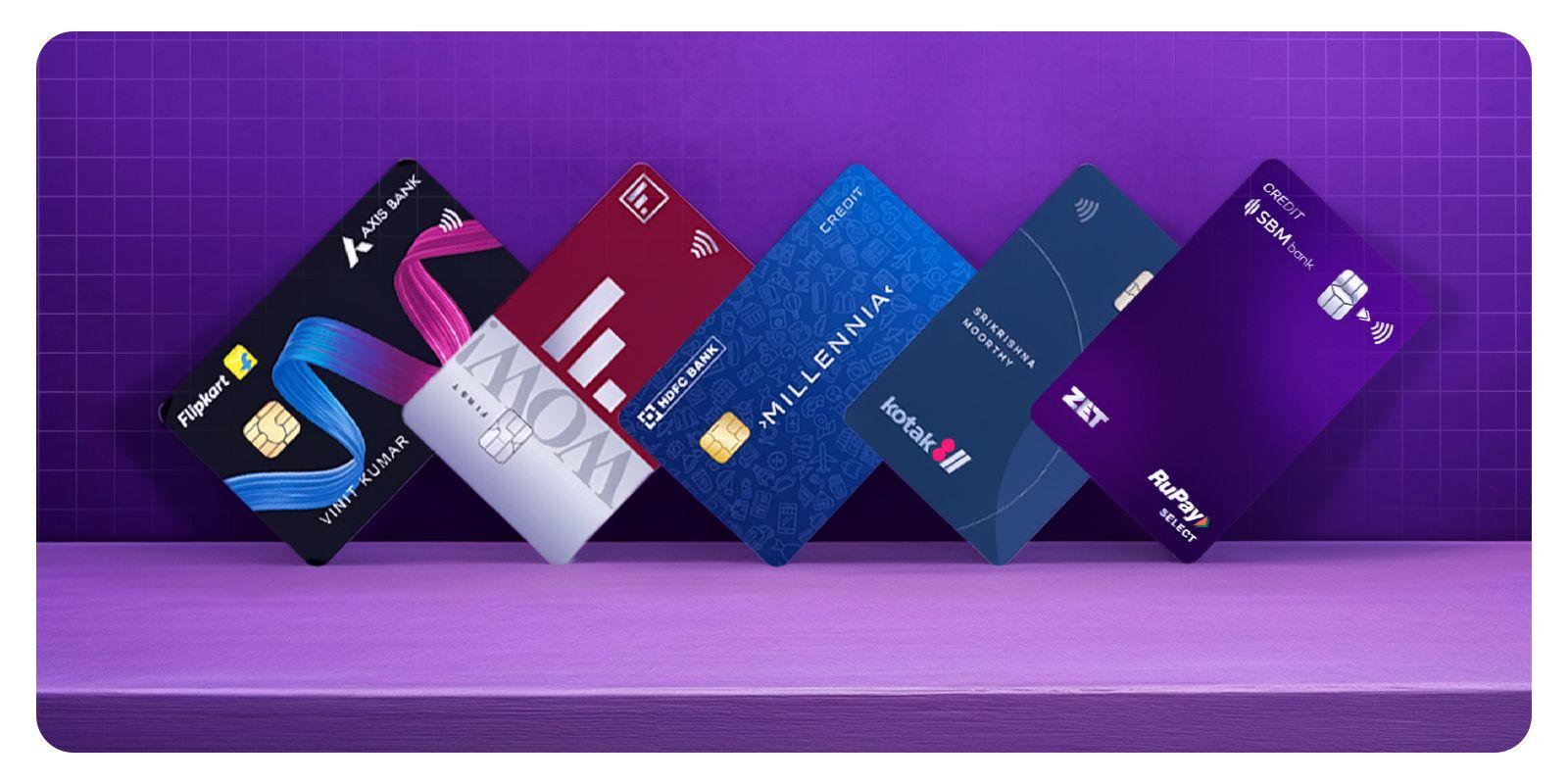
Not every credit card works well for building a credit score from scratch, since most require applicants to have a prior credit history and a stable income. Only a few of the best cards for credit building actually deliver on easy approval, no heavy fees, and consistent reporting to credit bureaus. Knowing what separates a good card from the right one is what puts you ahead in the game. If you are still deciding which card to start with, here is one of the best options available right now for first-time users:
Banks report your usage to credit bureaus, and most users see an improvement in their credit score within 30 to 45 days of responsible usage.
Starting at 21 means your credit score has years to grow before you need it for something big like a home loan or buying a car. With the right approach, your credit profile will strengthen gradually, opening access to better financial opportunities. The ZET FD Credit Card asks for no income proof, no credit history, and no annual fee. All it takes is a fixed deposit of Rs 2,000, your PAN, and your Aadhaar. Your credit score starts building from the first month, your FD keeps earning interest, and every responsible payment brings you closer to the financial options you actually want. Start with ZET today, and let your credit score do the talking.
FAQs
1. What is a good credit score at 21?
A score above 750 is considered good and gives you access to better loan deals, lower interest rates, and faster approvals. At 21, focus on paying your full bill every month and using your card consistently.
2. What is the best credit card to apply for online for a first-time user?
A secured FD-backed card is one of the safest options for users with zero credit history. ZET offers one starting at a Rs 2,000 FD with guaranteed approval and no annual fees.
3. How does ZET help build a credit score?
Every time you use your ZET FD Credit Card and pay your bill on time, the partner banks report that activity to credit bureaus. This creates a credit history where none existed before. Use it regularly, keep your utilisation low, and your score builds itself.
4. Can I apply for a credit card at 21 with no income proof?
Yes. Secured cards like the ZET FD Credit Card do not need income proof or credit history: just an FD, PAN, and Aadhaar.



Contact

care@zetapp.in
Social


Build and Maintain a 750+ Credit Score