October 23, 2026 · 7 mins read
Go through your recent payments for the past month, and you will see several tiny payments done via UPI, a few sizable purchases, and perhaps some transactions whose origin you cannot even remember. Every transaction has been made using the payment method you selected within just a few seconds. The mode of payment that you choose is going to determine your interest rate, rewards earned, and the amount of control that you have over your budget. This blog compares credit card and UPI payments for making purchases on a regular basis so that you can pick the right one.
With a credit card, you can borrow money from your bank and pay it back later. The bank offers you an approved credit limit, for example ₹50,000, which keeps reducing every time you make a purchase. If you pay off the entire bill, you need not pay any interest. The interest-free window usually runs 45 to 50 days, depending on when in the billing cycle you buy.
Many applicants search for ‘credit card to apply online’ because digital applications skip branch visits. You upload your documents, complete a video verification, and wait for the bank’s decision, which can take a few minutes or a few days.
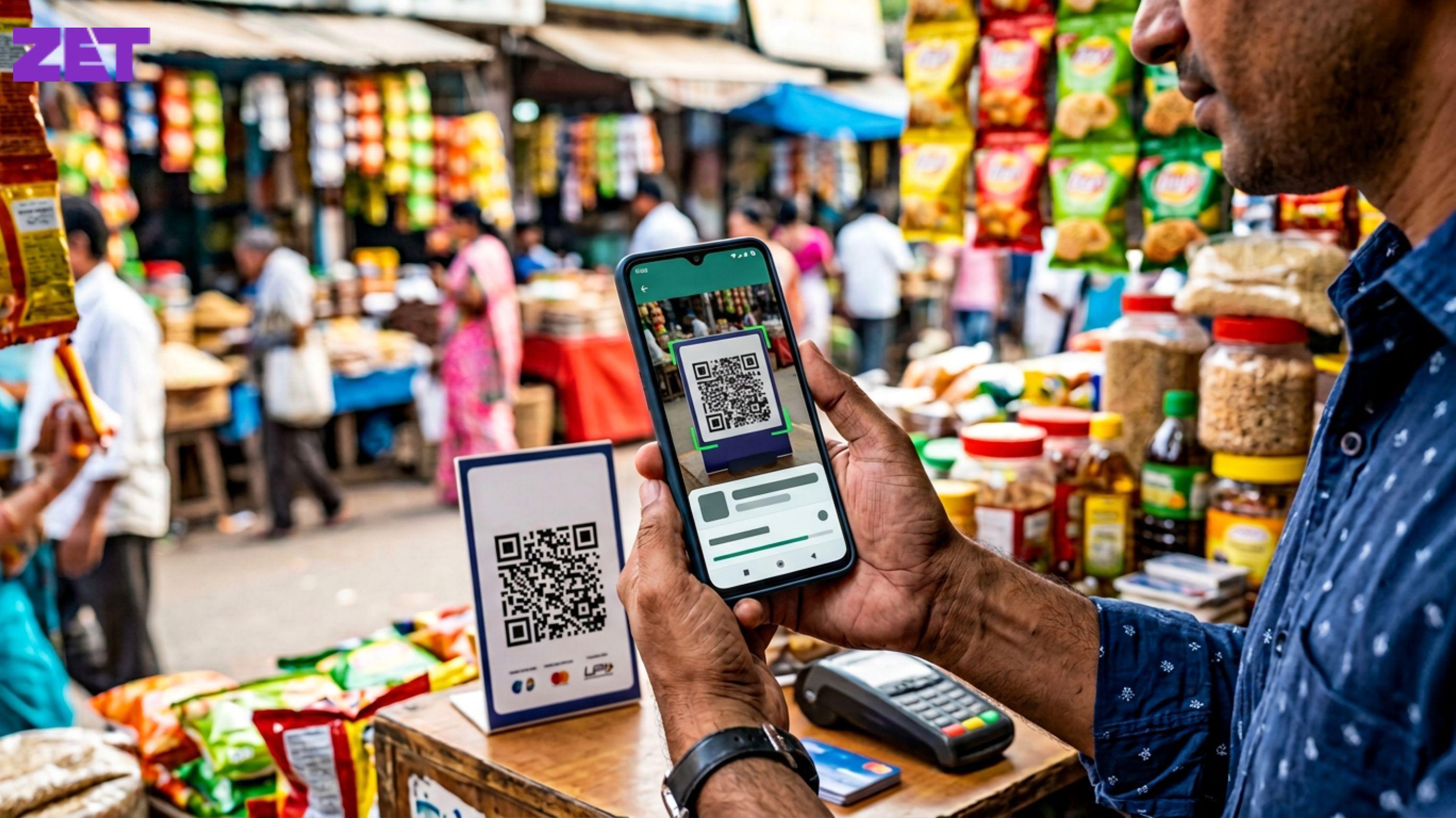
UPI transfers the amount directly from your bank account to the recipient’s account. Scan a QR code or input your UPI ID, and enter your PIN to make the transaction within a few seconds. You will be able to spend only the amount available in your account. Most banks and apps have a daily limit of ₹1 lakh per day for UPI transactions.
Some apps let you link a RuPay credit card to UPI for merchant payments only. Not every bank supports this, so check first.
This table shows how the two methods differ on the points that affect your daily spending.
| Factor | Credit Card | UPI | | :---- | :---- | :---- | | Source of money | Bank’s credit limit | Your bank balance | | Interest | None if paid in full; about 36% to 45% a year on unpaid balances | None | | Rewards | Usually 1% to 5% on eligible spends | Occasional cashback offers | | Spending limit | Set by the bank | Your balance, plus a daily cap | | Debt risk | High if you pay only the minimum | None | | Builds credit history | Yes | No | | Best for | Planned and large purchases | Small, frequent payments |
A credit card pays you for spending. At a 1.5% reward rate, you earn ₹300 on a monthly spend of ₹20,000 on groceries and petrol. Over a period of one year, your earnings are ₹3,600. Rewards stop paying off once you carry a balance. If you leave ₹20,000 unpaid at a 3.5% interest rate a month, you pay ₹700 in interest. That costs you more than two months of rewards on the same amount of spending.
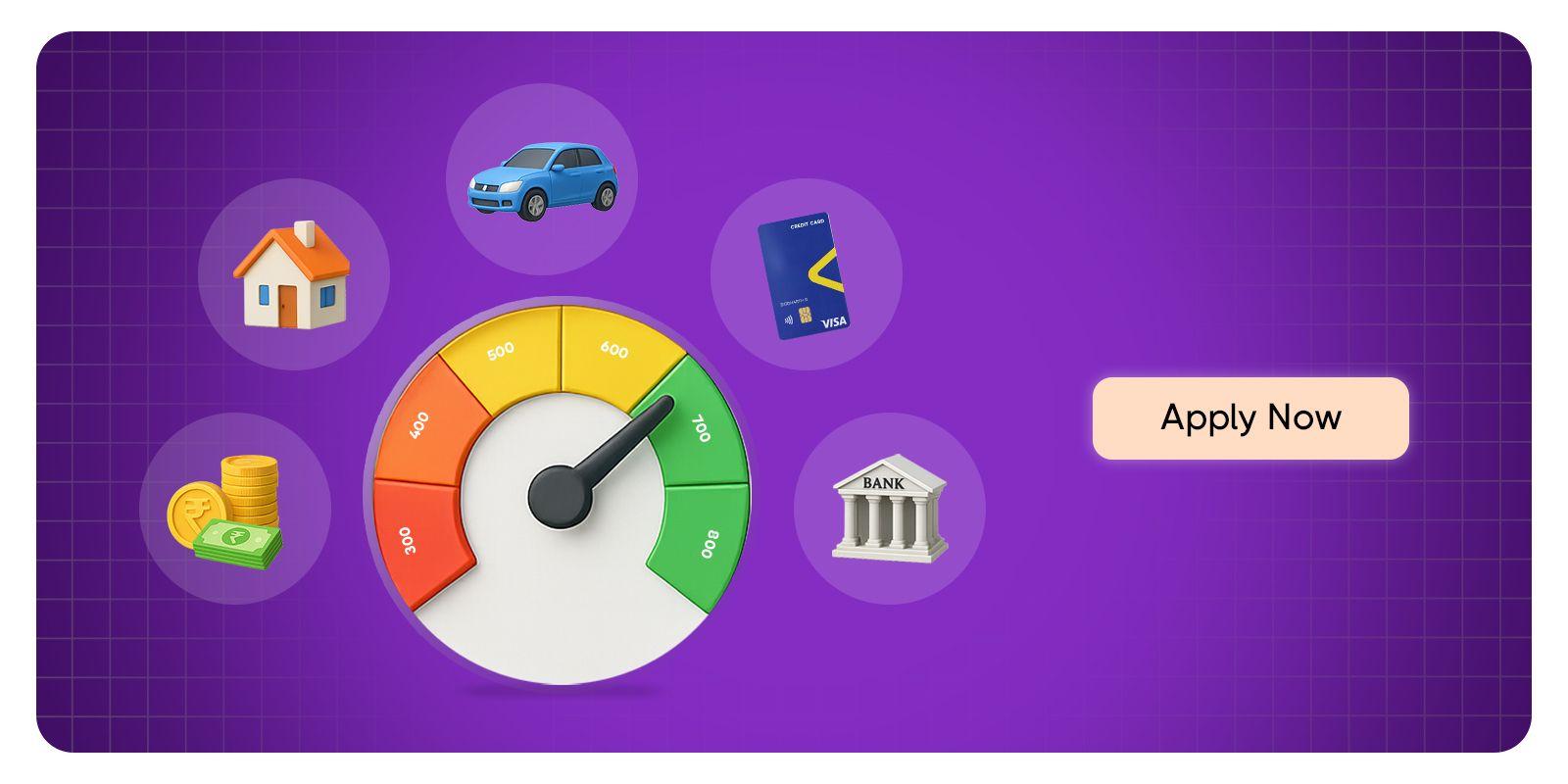
Your credit score ranges between 300 and 900, and the number that lenders prefer to see is 750 or higher. The best practice for improving your credit score is being consistent about paying bills on time and keeping your credit utilization ratio below 30% of the credit limit. UPI payments create no credit history, however often you use them.
Anyone who types ‘best cards for credit’ into a search bar usually wants to experience an approval for a credit card. Secured credit card options help here, because the bank holds your deposit as security, which lowers its risk.
The ZET FD credit card follows this model. You book a fixed deposit starting at ₹2,000 with SBM Bank, earn up to 7% interest on it, and spend up to 90% of the deposit as your limit. It needs no income proof and no existing credit history.
Big purchases are better made on a credit card. For example, if there is any damage done to your mobile phone upon purchase, you can dispute it through your bank, which would then be able to conduct an investigation. With the use of UPI, the funds have already been deducted from your account.
UPI is suitable for things you purchase multiple times in a week, like a ₹40 tea, ₹120 auto, or a ₹600 vegetables bill. You need just about five seconds to make payments, and there is no need to collect bills at the end of the month.
UPI spends only the money you have, so you cannot overspend and you cannot owe interest. If you tend to make impulse purchases, that limit is a real advantage.
Some people search for ‘credit card to apply online’ before they are ready for a credit card. If that sounds like you, use UPI for a few months, track every payment, and apply once you can repay the full bill each month.
People searching for ‘best cards for credit’ often skip the first question: can you repay the entire bill in full every month? If the answer is no, then no option will save you money.
Set autopay for the total amount due, as one missed due date can negatively impact your credit score, and the record can stay on your report for years.
Put recurring bills and planned purchases on a credit card, and use UPI for anything under ₹500. Keep your total credit utilization ratio below 30% of your limit. On a ₹60,000 limit, that means ₹18,000 a month.
If you worry about overspending, a limit tied to your own savings helps. The ZET FD credit card sets your limit at up to 90% of your deposit, so every purchase stays within money you already own.
Credit cards and UPI are used for different purposes. UPI works best for small, frequent payments because it spends only your balance. A credit card works best for planned and large purchases because it offers rewards, an option to avoid paying interest, and dispute support, as long as you repay in full.
Before you search for ‘credit card to apply online’, decide which purchases you will be making on it. Then follow one rule: pay the full bill every month. And if you feel ready, that’s when you can consider applying for an FD-backed credit card that helps you spend the right way.
1.Can I pay my credit card bill using UPI?
Yes. Most banking and UPI apps support credit card bill payments, though posting can take one to two days. Pay at least three days before the due date.
2.Does using UPI affect my credit score?
If you’re making UPI payments from your own bank balance, it will not affect your credit score.
3.What do people mean by ‘best cards for credit’?
The phrase usually refers to products that help you build or repair credit history. Secured credit card options backed by a fixed deposit approve first-time applicants and report on-time payments to credit bureaus.
4.Is an FD-backed credit card good for first-time users?
Yes. For example, the ZET FD-backed credit card gives first-time users a controlled limit based on their own deposit and needs no income proof.



Contact

care@zetapp.in
Social


Build and Maintain a 750+ Credit Score