October 26, 2026 · 8 mins read
Table Of Contents:
1. Introduction
2. Types of Credit Cards for everyday expenses
3. Some Risks behind using credit cards for everyday payments
4. Some everyday expenses you can manage using a credit card
5. Benefits of a Credit Card for everyday expenses
6. Eligibility For Getting a Credit Card
7. Conclusion
8. FAQs
There are times when you are keen on making big purchases but at the same time find yourself in a dilemma, wondering how to get the money to make such payments. This is where credit cards act as a beneficial financial tool. It is a remarkable way to fund your expenses instead of using your savings. You could also convert some payments into an EMI to pay over the long run.
Nowadays, with digitization taking shape, you can even access credit cards online without the need to possess a physical card. This works similarly to that of a physical credit card, which allows you to make online payments seamlessly. Online credit cards consist of a unique card number, CVV and expiration date.
Online credit cards are safer as they reduce the possibility of the card being misused or stolen. Moreover, a credit card has a fixed duration of use along with its expiry date, which makes it an even better option for your expenses.
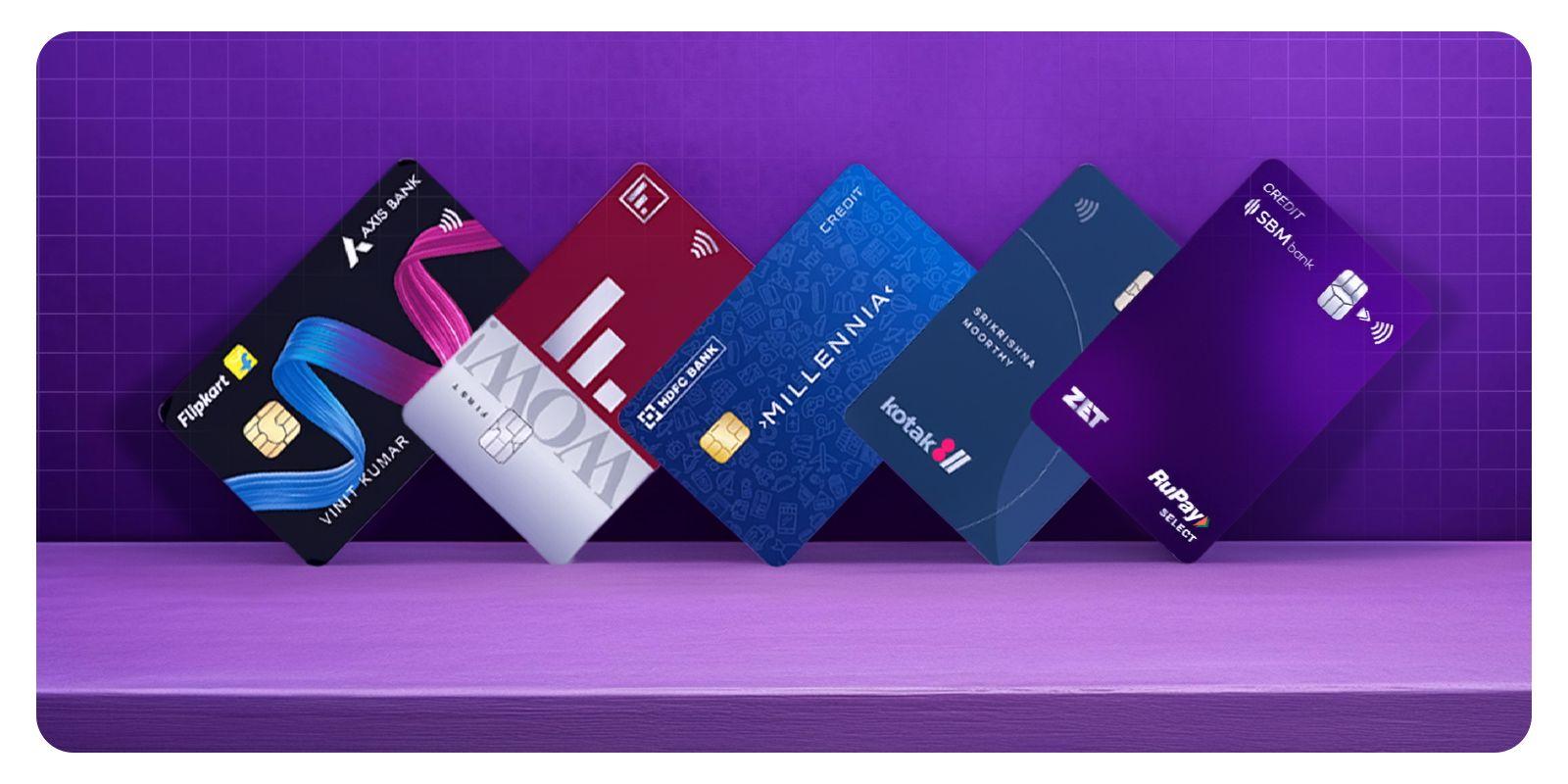
Taking into account the diverse financial needs that people have, credit cards are designed in a way that can cater to these needs.
1. Regular credit cards: A regular credit card is provided to a customer by a bank, including numerous benefits like discounts, reward programs and purchase protection coverage. A regular credit card can be used for online shopping, groceries, travel bookings, healthcare expenses and other recurring payments.
2. Premium credit cards: If you are looking for enhanced benefits and privileges, premium credit cards are your go-to option. They offer zero foreign exchange markup on international purchases and super saver benefits like no interest on access to cash advances, no fees on over-the-limit usage and rewards exchange. This type of credit card can be used for luxury travel, fine dining, health & wellness and other daily expenses.
3. Travel credit cards: Travel credit cards are customized for frequent travelers, which often include facilities such as airline miles, hotel reward points and travel insurance in addition to airport lounge access, priority boarding and no foreign transaction fees. It can be used for flight bookings, car rentals, train and bus tickets and also hotel stays
4. Cashback credit cards: There are various cashback rates for different expenditure categories like groceries, dining or gas. Cashback credit cards are extensively used by those who prefer simple expenses and wish to earn tangible perks on their daily purchases.
While there are many benefits of using a credit card, it does have certain risks that should be considered too. If you fail to pay the full balance before the monthly due date, the bank levies high interest charges on the pending debt. Moreover, carrying a balance on a monthly basis can rapidly escalate into unmanageable debt and can adversely affect your credit score.
Though a credit card comes with its own set of pros and cons, there is also a credit card limit that you should bear in mind before making several purchases. The credit card limit is the maximum amount you can spend on your credit card and is set by the card issuer.
A credit card is commonly used for making bill payments. Utility bills like water, electricity and phone bills can be conveniently paid online using your credit card. Another valuable feature is the auto-debit facility, which automatically deducts money from your account, ensuring that a payment does not get missed. This is very helpful, particularly for handling recurring expenditures and avoiding delayed payments.
Credit cards are universally accepted in physical stores and e-commerce platforms, making them ideal for regular shopping. Whether it’s purchases related to groceries, clothes or other items, a credit card can be a useful financial tool to manage the overall expenditure. Besides, you can also avail of instant savings at checkouts, festive sale discounts and no-cost EMI deals.
You can avail of credit card perks, especially if you often dine out. Several restaurants accept credit card payments and provide rewards or discounts for credit cardholders. For example, certain credit cards offer dining rewards and special offers at premium hotels and restaurants.
Credit cards can also be used for essential purchases such as home appliances, furniture and electronics. Besides, you can also convert bigger purchases into EMIs, making it more flexible to accommodate heavy expenses without disrupting your budget.
By using a credit card for booking movie tickets, you can get a BOGO offer (Buy one, get one) which means that several credit cards allow you to get the second ticket free or discounted i.e. capped at a certain amount like Rs.200 to Rs.750 per transaction or month. After reaching a particular minimum spending requirement, some credit cards provide milestone-based or complimentary tickets.
When you look for a ‘credit card on benefits’ online, it is essential to closely examine the benefits as well as the type of credit card that closely meets your financial goals. What makes a credit card stand out compared to other financial products is that it offers an array of benefits that can be easily accessed if you possess a credit card.
1. Establish a credit card history - If you pay your bills in a timely manner and use a credit card responsibly, it leads to a positive credit score, which might be required later for major loans like a home loan or an education loan. One of the prime reasons for possessing a credit card is building a credit history.
2. Acquire rewards and cashback - Several credit cards provide points, miles or cashback on regular purchases, essentially offering you a discount or a bonus for expenditure you would have spent anyway.
3. Robust security - Through credit cards, you can be certain of enhanced fraud protection and zero liability policies compared to debit cards or cash. This ensures that your money is safeguarded; even if your card gets stolen, you will still not run out of cash.
4. Flexible Payment periods - In most cases, credit cards give you an interest-free period (normally up to 50 days) to clear your balance in full each month without any additional fees or interest
Instant approval credit cards can facilitate the application process for eligible applicants quickly and hassle-free.
Though there are certain factors that determine eligibility to avail of a credit card, there is also something called a low CIBIL score credit card, which lets you access a credit card despite a poor, reasonable or non-existent credit history.
In all, a credit card is known to be a significant financial tool in today’s time, but if misused, it can have dire consequences. Using a credit card productively can thus have many benefits and be convenient. However, choosing the right credit card depending on your purpose and goal is something that must be decided wisely to enjoy its perks and rewards even in the long run.
1. How to apply for a credit card?
You can apply for a credit card using a mobile banking app or by visiting the nearest branch. Ensure you submit all the required documents.
2. What daily expenses can be paid for using a credit card?
Groceries, fuel & traveling, utility bills, mobile recharges, food delivery & dining out and online and offline shopping.
3. Do credit cards offer rewards on everyday purchases?
Yes, credit cards offer rewards on everyday purchases, like groceries, dining out, utility bills, fuel refills and online shopping
4. How can a credit card be used responsibly for everyday purchases?
Keep your credit card utilization below 30%, considering credit card expenses like cash and paying your balance entirely every month are some ways in which you can use your credit card responsibly.



Contact

care@zetapp.in
Social


Build and Maintain a 750+ Credit Score