September 3, 2026 · 7 mins read
Each time you use a credit card, your spending is recorded. Lenders review this information before they come across your profile and determine if you will be able to obtain a credit product such as a credit card. And every transaction that you make using your credit card builds your CIBIL score. People do not think about their CIBIL score unless they are in need of it. In this blog, we examine the daily routines that are responsible for improving your CIBIL score.
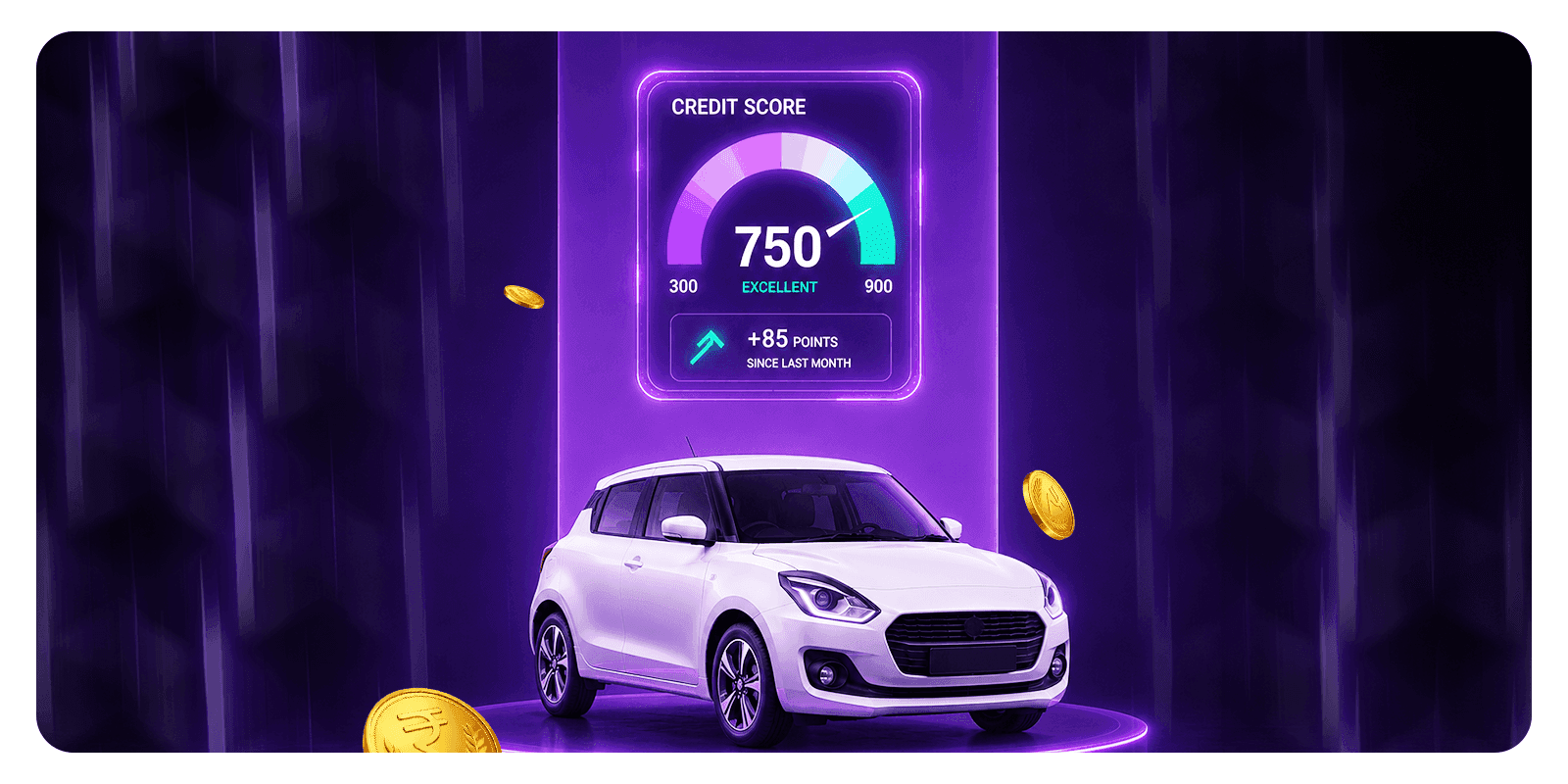
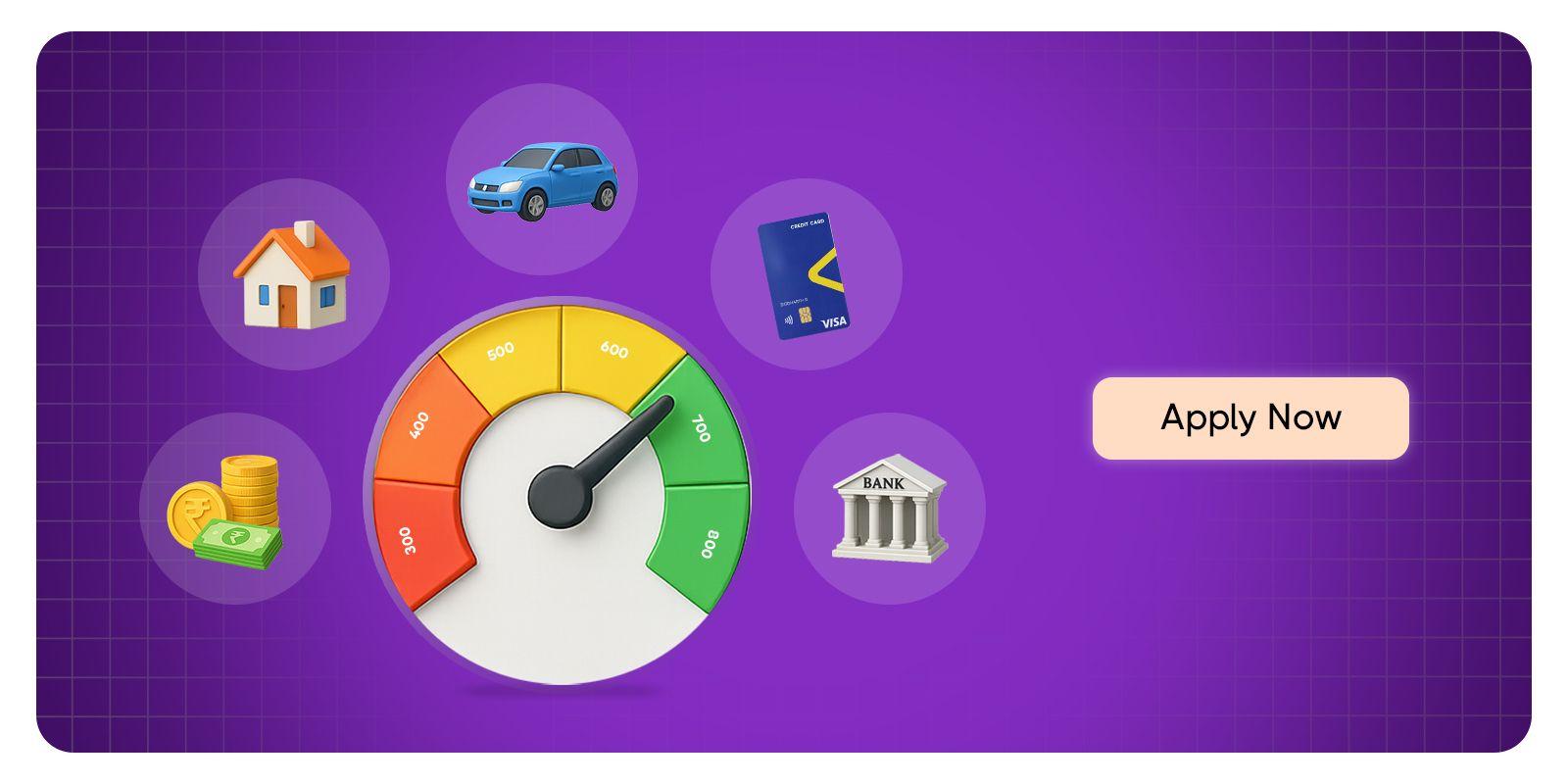
A credit score is often used synonymously with CIBIL score. A CIBIL score is the specific credit score provided by TransUnion CIBIL in India. A credit/CIBIL score is used to measure how responsibly you use credit products. Your CIBIL score is a 3-digit number ranging from 300 to 900 that reflects your credit history. Banks and NBFCs use the CIBIL score to determine the eligibility of the borrower, the amount to be sanctioned and the interest rate at which the loan will be given.
A credit score of 750 or higher typically leads to more favorable loan terms, whereas a low credit score might result in loan denials or higher interest rates. This credit score number is based on five factors: payment history, credit utilization ratio, length of credit history, mix of credit products, and recent credit check inquiries. Since a credit card comes into contact with nearly all five of them, it is a significant factor affecting your credit score.
All credit cards you have will report to the credit bureaus monthly, including what you spend, whether you paid on time, and your credit limit. Payment history accounts for about 35% of your credit score, so one late payment could drop your credit score significantly, but on-time payments over time will help build trust.
If you've ever looked for a credit card to apply online, you know that there are a lot of options that promise to boost your credit score. It is not the credit card itself that matters, but rather how you use it, which is why paying your full bill, or at least more than the minimum amount, before the due date is one of the most important steps you can take.
Most credit card holders know their due date, but far fewer track their statement date, which is when your outstanding balance actually gets reported to the bureau. Paying your outstanding balance before the statement is generated can lower the credit utilization ratio that gets reported and give your CIBIL score a quiet boost. Setting up autopay for at least the minimum amount protects you from missed payments caused by forgetfulness rather than a lack of funds.
This discipline matters just as much once you have picked a credit card. Getting a credit card is only the first step. How you manage your payments in the months that follow affects your credit score. Tracking your payment and statement dates is your responsibility.
Credit utilization ratio is the percentage of your total credit limit that you are currently using. Experts recommend staying under 30% at all times, even if you plan to pay the full bill later. A high credit utilization ratio signals risk to lenders, regardless of your intention to repay.
One way to keep your credit utilization ratio low is to use an FD-backed credit card. With the ZET FD-backed credit card, your credit limit is linked to your fixed deposit, and you can get a limit of up to 90% of the FD amount. This can make it easier to keep your credit utilization in check while building your credit score.
A hard inquiry happens when a lender checks your credit report each time that you apply for credit card or a loan. A few hard inquiries spread over time are normal, but several credit card applications in a short timeframe signal financial stress and can pull your CIBIL score down temporarily.
People searching for the best cards for credit often end up applying to three or four credit card issuers at once, hoping one gets approved. Research first, apply to one credit card that fits your profile, and give your credit score time to reflect responsible use before you try again.
Not every credit card suits every credit profile. Someone with no credit history, often called a thin credit file, may struggle to get approved for a standard unsecured card. This is where secured, FD-backed options change the situation.
Many first-time users type ‘credit card to apply online’ into their browsers, hoping for something quick and paperless. While speed matters, the bigger question is whether the credit card fits your income and spending pattern, not just how fast it gets approved.
A secured credit card lets you build credit history without a bank taking on too much risk, since your own deposit backs the limit. ZET offers this type of credit card. You can apply with an FD as small as ₹2,000, without income proof or an existing credit score. You earn up to 7% interest on that fixed deposit while you use the credit card, so your money keeps working as you build your credit score.
Your CIBIL score is built by making many tiny decisions, such as paying your bills on time, keeping an eye on your credit utilization ratio, and not applying for too many credit cards. After you grasp how each payment contributes to your CIBIL score, managing it no longer seems impossible; it becomes a habit you can control.
Before you apply for a credit card again, give your current credit profile a few months to show steady, responsible use. Being patient and using your credit card responsibly can help your credit score more than applying for another credit card.
1. How does a credit card affect my credit score?
Each month, your card issuer sends your payment information, credit limit and outstanding balance to the credit bureaus. Your credit score is built over time with on-time payments and a low credit utilization ratio. Missing payments or reaching the credit limit can cause your credit score to drop.
2. What should I look for before I apply for credit card options?
Check whether the credit card matches your income and spending pattern. Compare interest rates, annual fees, and the credit limit offered. Avoid generic lists of the best cards for credit and check the issuer's terms directly.
3. How many credit cards should I have to build a good credit score?
One or two well-managed credit cards are usually enough for most people. Chasing every list of the best cards for credit and applying to all of them backfires. Applying for several cards at once can hurt your credit score through repeated hard inquiries.
4. Can beginners build a credit profile with the ZET FD-backed credit card?
Yes, since the ZET FD-backed credit card is designed for people with little or no credit history. No income proof or existing credit score is required to get started. You can begin with an FD of just ₹2,000 and grow your credit score from there.



Contact

care@zetapp.in
Social


Build and Maintain a 750+ Credit Score