October 27, 2026 · 8 mins read
The first salary of our lives comes with a strange mix of excitement; it feels different when you see the money land in your bank account. You might already have a list of things you want to buy, places you want to visit or bills you can finally pay with your own money. After all, earning your first paycheck feels like a small step towards financial independence. But along with that freedom comes a new responsibility: deciding how much to spend and how much to save.
Around the same time, you might start thinking about getting a credit card. It can make certain payments easier, but it also means learning to manage a bill that arrives after you've spent the money. Your first salary is a good time to build financial habits that will serve you well in the future. Knowing how much you can afford to spend, keeping track of purchases and paying your dues on time can help you enjoy the convenience of a credit card without letting it disrupt your monthly budget.
Table of contents:
1. How To Choose Your First Credit Card With Your First Salary?
2. Set A Spending Limit Based On Your First Salary
3. Understand Your Credit Card Bill Before Spending
4. Common Mistakes to Avoid With Your First Credit Card
5. Conclusion
6. FAQ’s
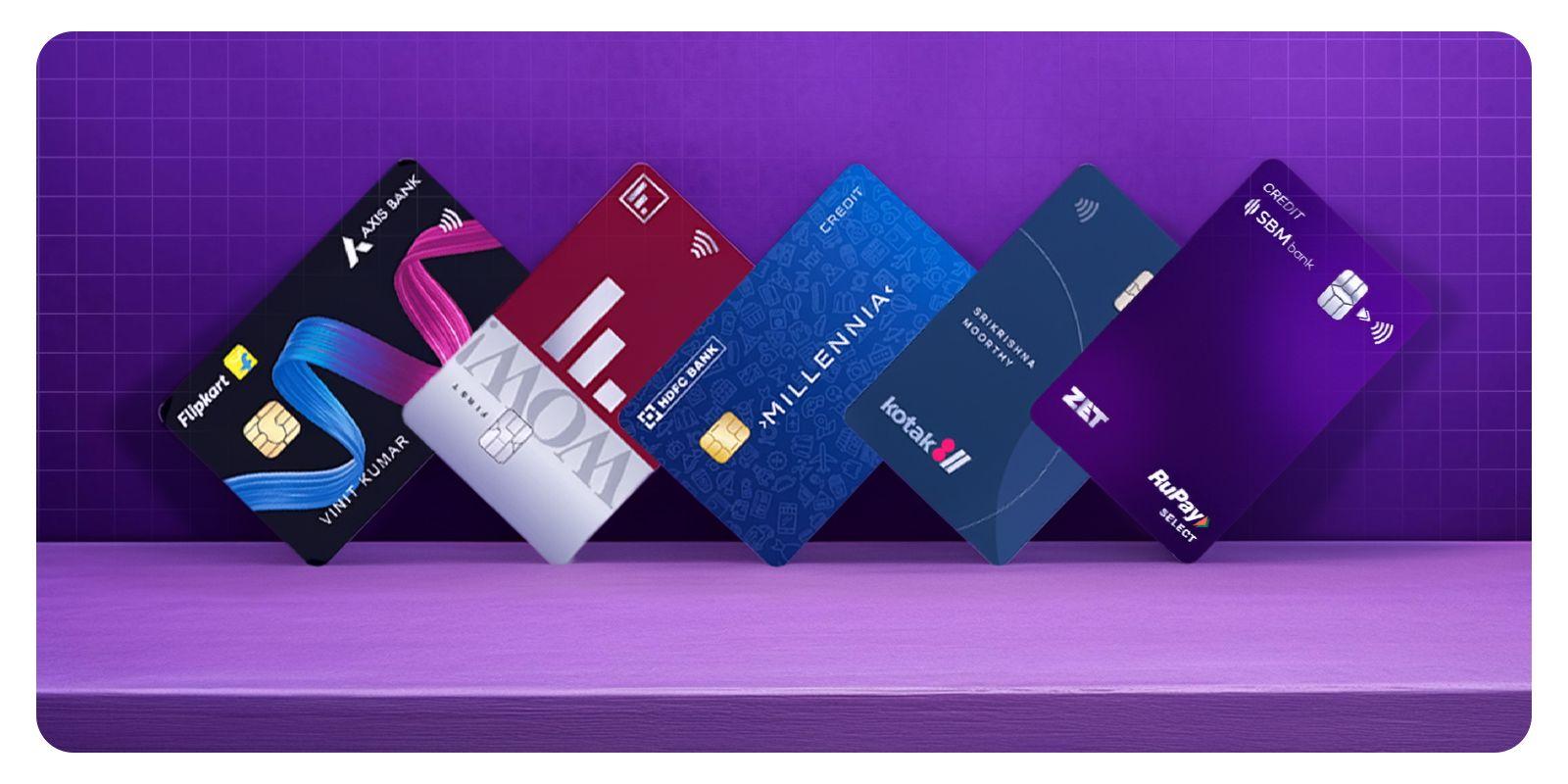
Your first salary can make you feel like you’re ready to take on new financial responsibilities, but choosing a credit card deserves a little thought. The card that works for someone earning twice your salary may not be the right fit for you. The paradigm is finding a credit card that matches your income, regular expenses and ability to repay what you spend. You don't need a premium credit card to get started; you need one you can manage comfortably.
It's easy to get drawn in by cashback offers, reward points or a high spending limit. But these features won't mean much if the credit card that you choose comes with fees and a repayment schedule you weren't expecting. That's where apps like Zet can be useful, with options such as an FD-backed credit card and tools to help you understand your credit profile. Your first credit card should make managing money easier, not leave you worrying about your next salary.
Before you apply for credit card, here are a few factors you should check:
1. Income eligibility: Check whether your monthly salary meets the card issuer's minimum income requirement.
2. Annual fees: Look for joining fees, annual charges and any conditions attached to fee waivers.
3. Rewards that suit you: Choose benefits that match your regular spending, such as groceries, fuel or online purchases, rather than offers you may rarely use.
4. Repayment terms: Understand the billing cycle, payment due date and interest charges before making your first purchase.
5. Credit limit: Choose a credit card with a limit you can manage responsibly. A higher limit doesn't mean you should spend more than your salary allows.
Getting a credit card for the first time can make it tempting to spend a little more than you usually do. You might have a new pair of shoes in mind, plans with friends or a few things you've been putting off buying. After all, you've started earning, and it feels good to spend your own money. But those purchases can add up before you realize it. When your salary has to cover both your credit card bill and your regular expenses, the excitement of payday can quickly turn into a money problem. A higher credit limit might give you more room to spend, but it doesn't give you more money to repay.
Before making any big purchase, look at what your salary actually needs to cover. Pay for essential things like rent, groceries, commute, etc. Your income and expenses are different, so your spending limit should reflect your situation.
Here are a few ways to keep your credit card spending under control:
1. Set a personal spending cap: Decide how much you can afford to repay each month and try not to cross that amount, even if your credit limit is higher.
2. Pay from money you already have: Before making a purchase, ask yourself whether you could afford it with your current funds rather than relying on your next salary.
3. Keep your credit score in mind: Pay your credit card bills on time and avoid spending too much of your available credit limit. These habits can help you build a healthy credit history over time.
Your first credit card bill can be a surprise if you haven't been keeping track of your purchases. A few payments here and there might not seem like much, but they can add up by the end of the billing cycle. Before you spend, understand when your statement is generated, when the payment is due and how much you need to repay. If you're looking for a credit card to apply online, make sure you understand these terms before making a choice.
Here are a few things to check before using your card:
1. Billing cycle: Know the period covered by your statement so you can track which purchases will appear on each bill.
2. Payment due date: Mark the deadline on your calendar and pay on time to avoid late payment charges.
3. Total amount due: Check the full outstanding amount rather than focusing only on the minimum payment due.
4. Interest charges: Understand when interest applies and how carrying an unpaid balance can increase what you owe.
5. Payment reminders: Set up alerts or automatic payments where available, while making sure sufficient funds are in your bank account.
Your first credit card comes with a learning curve, and some mistakes can cost you more than you expect. Paying only the minimum amount due, missing payment deadlines or spending just to earn rewards can put pressure on your salary before the month is over. When comparing the best cards for credit, don't focus only on cashback or attractive offers. Look at the fees, repayment terms and credit limit, too. Most importantly, treat every purchase as money you will need to repay, and make sure your spending stays within what you can comfortably afford.
Your first salary is more than just money in your bank account; it's an opportunity to build financial habits that can stay with you for years. A credit card can make everyday payments more convenient and help you establish a credit history, but only when you use it with care. If you're just started using credit cards, apps like Zet can help you explore credit-building options and understand your credit profile.
Set a spending limit that works with your income, understand your repayment dates and pay your bills on time instead of relying on your next salary to cover them. These small decisions can make a real difference to your credit score over time.
Remember, you don't need to use your credit card for every purchase or spend up to the limit your bank offers. Start with expenses you can comfortably afford, keep track of where your money goes and make repayment a priority. The goal isn't simply to own your first credit card; it's to learn how to use credit without losing control of your finances. When you get that balance right, your first salary can be the beginning of a much stronger financial future.
1. How should I manage my first credit card with my first salary?
Set a monthly spending limit based on your income, track your purchases and pay your credit card bill in full by the due date.
2. What should I check before I apply for a credit card?
Check the income eligibility, annual fees, interest charges, repayment terms and credit limit before submitting your application.
3. How do I find the best cards for credit as a first-time user?
Compare annual fees, rewards, eligibility requirements and repayment terms. Choose a card that suits your salary and everyday expenses.
4. What should I look for when searching for a credit card to apply online?
When searching for a credit card to apply online, compare card features, fees and eligibility criteria. Choose one you can manage comfortably with your monthly salary.
5. Can my first credit card help improve my credit score?
Yes. Paying your bills on time, keeping your credit utilization low and managing your outstanding balance responsibly can help build a positive credit history.



Contact

care@zetapp.in
Social


Build and Maintain a 750+ Credit Score