August 19, 2026 · 7 mins read
Every time you want to pay for something in India, you have the choice to pick between several payment tools. Some of which are UPI, a debit card, or a credit card. Each option serves a different purpose. UPI and debit cards are convenient for everyday payments, while using a credit card responsibly can help you build your credit score. And with more people choosing to apply for credit cards online, this guide explains how each payment method works and when it makes sense to use one.
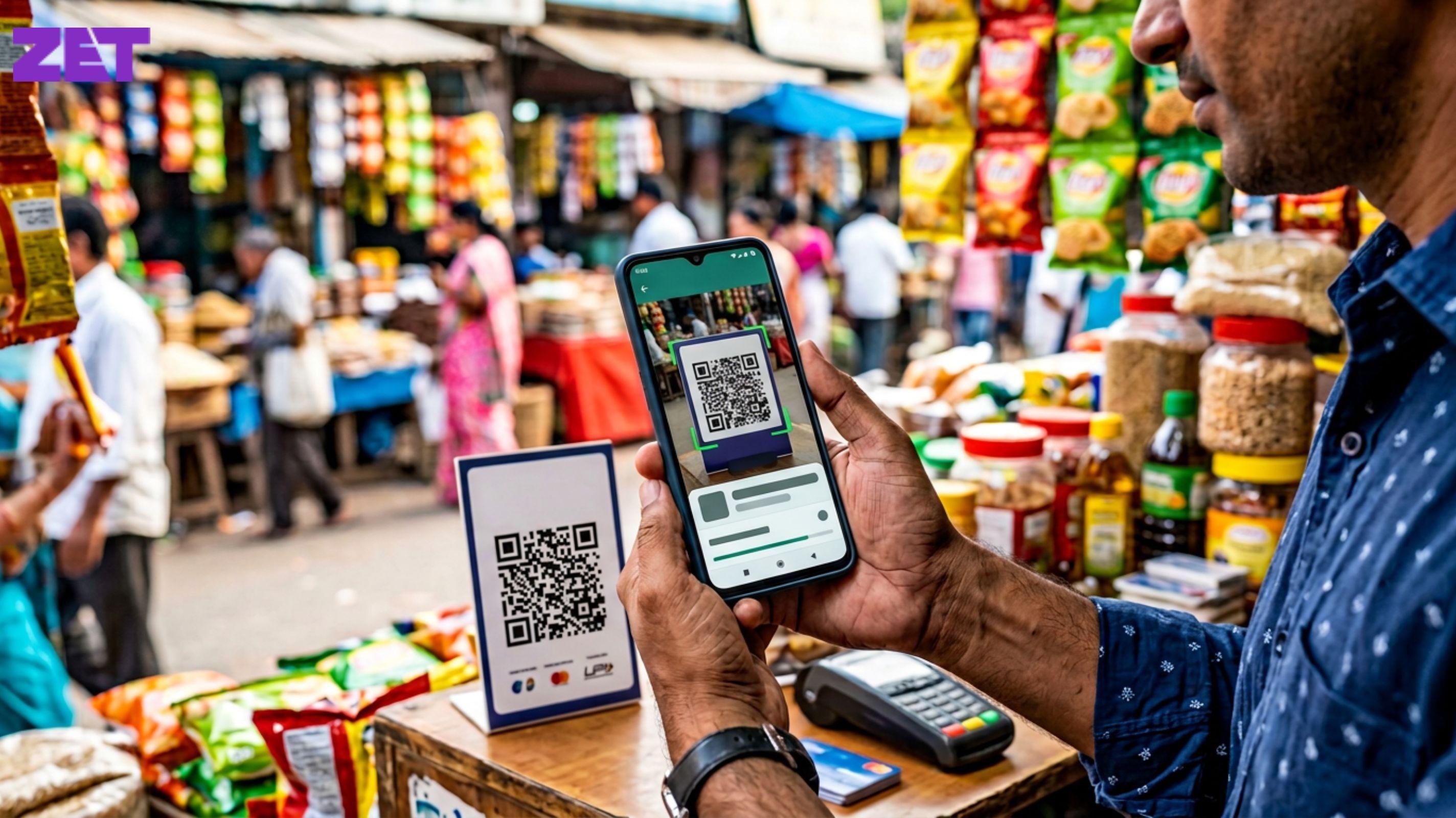
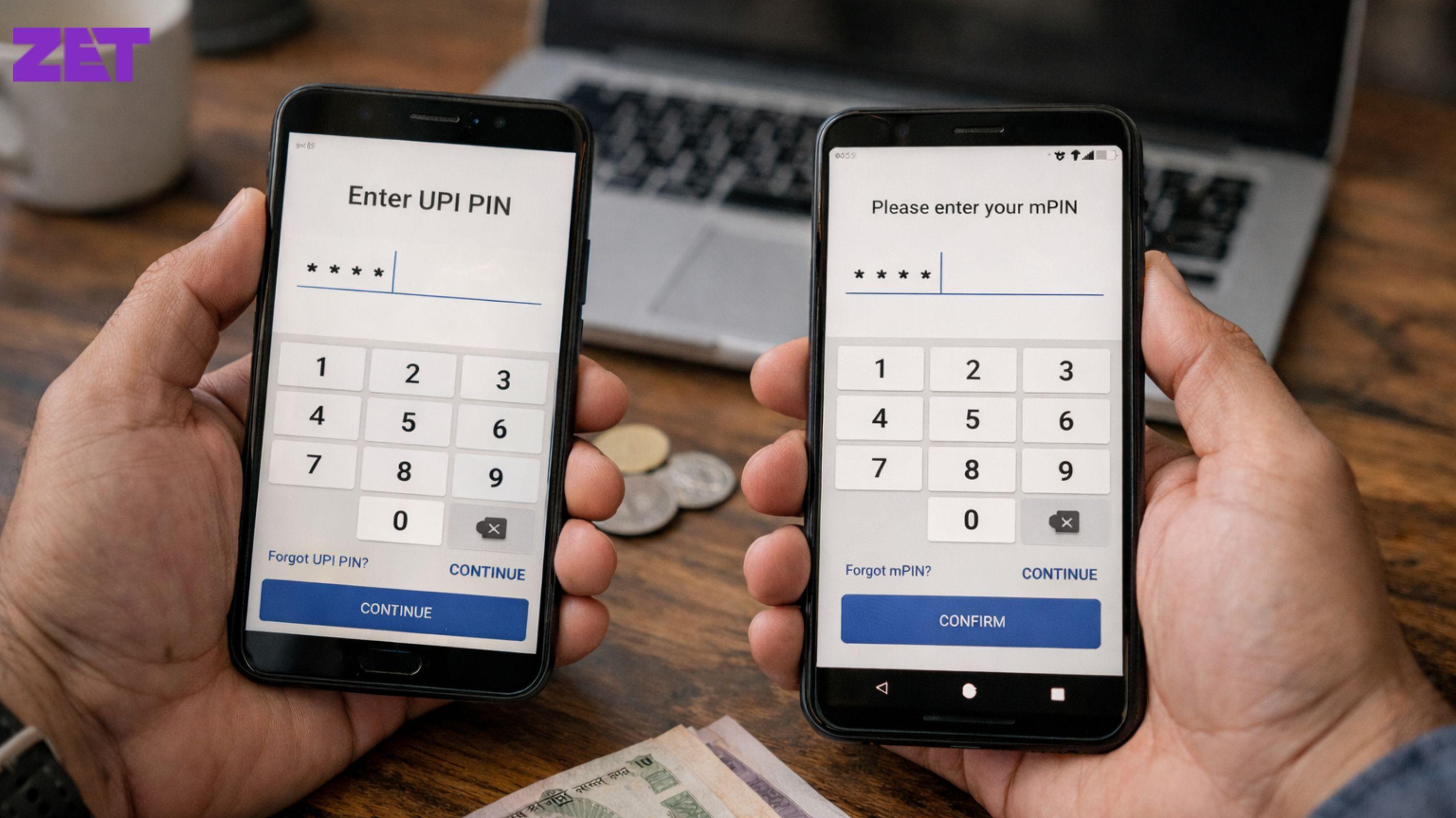
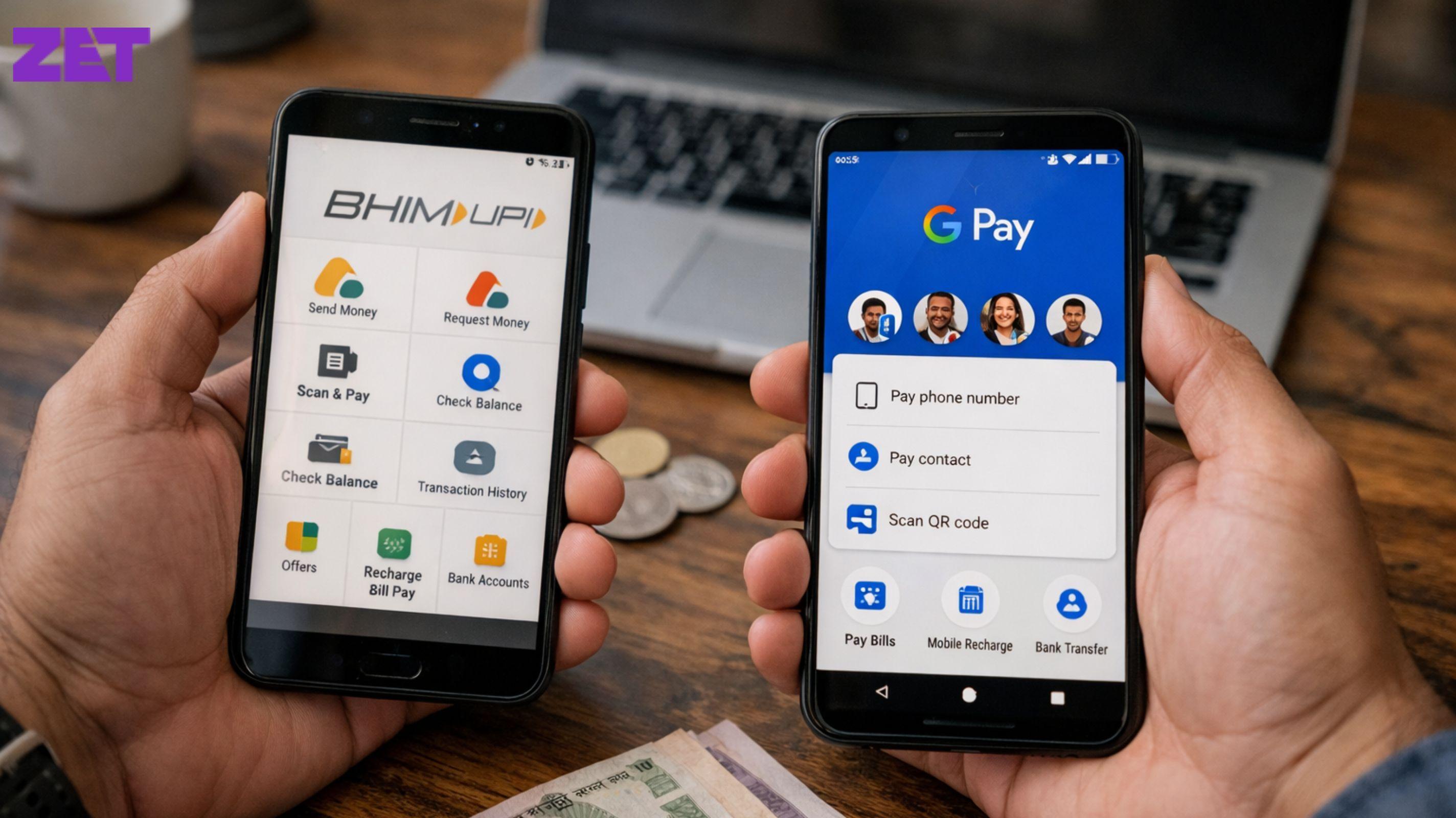
UPI, or Unified Payments Interface, lets you send money directly from your bank account to another bank account in seconds. You don't need to carry a physical debit/credit card or enter long account numbers. All it takes is a UPI ID or scanning a QR code, and the money moves instantly. Another advantage of UPI is that it works 24 hours a day, including weekends and holidays.
UPI works best for everyday, low-value spending such as your morning tea or coffee, an auto ride, or splitting a dinner bill. Since the money leaves your account the moment you pay, there's no debt and no interest that you need to worry about. The catch is that UPI payments can only be made from the money that you already have in your bank account and if you've linked your debit card to the UPI payments app of your choice. Hence, a low balance essentially means that the payment simply won't go through.
Some UPI apps also support linking an eligible RuPay credit card. If this feature is available you can make supported UPI payments using your credit limit instead of your bank balance. However, this option is currently limited to RuPay credit cards.
A debit card is linked to your bank account, but it works through a physical or virtual card instead of scanning a QR code using a UPI app. You simply swipe, tap, or enter your debit card details, and the amount gets deducted from your account balance right away.
Debit cards are useful when a merchant doesn't accept UPI payments, such as certain websites, subscription services, or large retail chains. They're also handy for ATM withdrawals. It is worth noting that a debit card only lets you spend money that you actually have, so there's no opportunity for debt to build up. The trade-off is that debit cards rarely offer rewards, and they usually come with fewer benefits than credit cards.
A credit card works differently from a debit card. Instead of spending your own money, you're borrowing from a credit line set by the bank or NBFC that issued the credit card. You get a bill at the end of the month, and you can pay it off in full or carry a balance forward, though carrying a balance means paying interest.
Credit cards make sense for larger purchases, online shopping, travel bookings, or situations where you want to earn rewards and build a credit history. Many people look for credit cards online today, since the entire application process, from filling in details to getting approved, happens on an app or website without a single branch visit.
Finding the best credit card to apply for isn't just about approval speed. It's about choosing one that fits how you actually spend and how much control you want over your spending.
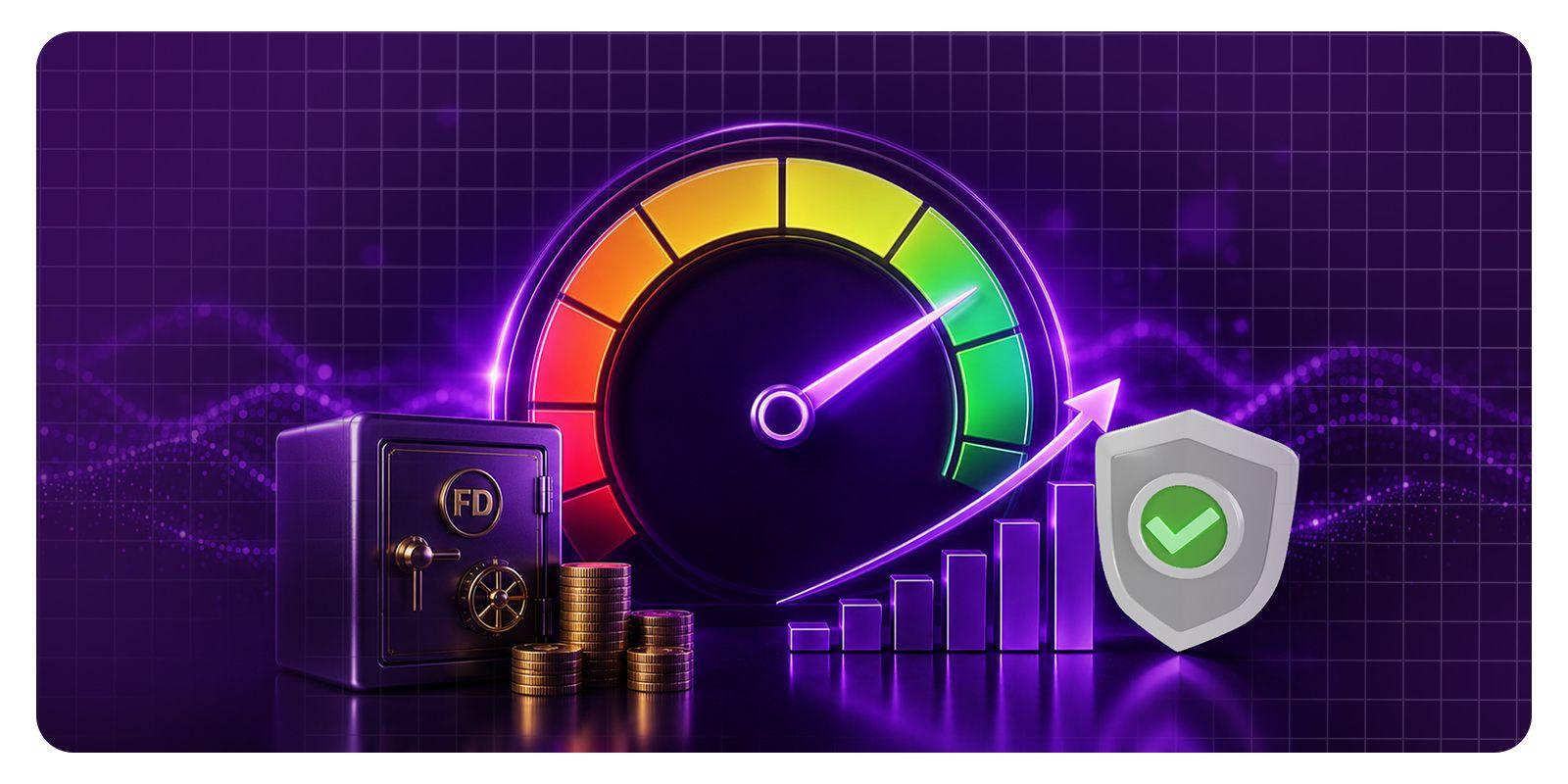
This is where an FD-backed option like the ZET SBM credit card stands out. Instead of an open-ended credit line, it lets you spend against your own fixed deposit, up to 90% of the FD value, so you get the convenience of a credit card without the risk of overspending money that isn't yours. When applying for a credit card online, note that most banks and NBFCs let you complete the entire process on an app or website. Look for a provider that's upfront about interest rates, fees, and repayment terms.
| Factor | UPI | Debit Card | Credit Card | | :---- | :---- | :---- | :---- | | Source of funds | Your bank account | Your bank account | Borrowed credit line | | Interest charged | None | None | Yes, if the balance is past the due date | | Best for | Daily, low-value payments | ATM withdrawals, offline swipes | Large purchases, online shopping | | Rewards/cashback | Rare | Rare | Common | | Credit score impact | None | None | Direct impact | | Approval needed | No | No, comes with an account | Yes, based on eligibility | | Risk of debt | None | None | High if the minimum due is paid repeatedly |
There's no single winner here, since each payment method solves a different problem. That being said, you can follow the recommended use cases below:
Many first-time credit card users search for an instant online credit card because they want quick approval without any physical paperwork. That's fair, but speed shouldn't be the only factor. Choosing a credit card with features that help you control your spending can make it easier to avoid debt.
If your goal is to find the best credit card to apply for, prioritise control over pure approval speed. A high credit limit only helps if you can manage it without slipping into debt. An FD-backed SBM credit card, like the one ZET offers, solves this by capping your limit at your own savings. No income proof or credit score is required, and your credit limit is linked to the amount in your fixed deposit.
UPI and debit cards are ideal for everyday spending, since they draw funds directly from the balance that you already have while carrying zero risk of debt. Credit cards work great for bigger purchases and credit-building opportunities, but only if you manage repayments responsibly.
If you're exploring credit cards online for the first time, focus on choosing a credit card that matches your spending habits and repayment ability. There's no single payment method that's right for every situation. UPI, debit cards, and credit cards each have their own strengths, and knowing when to use each one can help you manage your money more effectively.
1. Is it safe to link a credit card to UPI?
Yes. The feature is regulated by the RBI, and every transaction is authenticated with your UPI PIN, so no one can use your credit card without it. It's also restricted to merchant payments via QR codes and checkouts, which cuts down the risk of accidental transfers to the wrong person.
2. Can I use UPI to pay my credit card bill?
Yes, most banks and card issuers let you pay your credit card bill through UPI. This makes it easy to clear dues on time without switching between multiple apps.
3. What should I look for in a credit card or other similar options?
Check the credit limit structure, whether it needs income proof, the interest rate on unpaid balances, and whether it rewards responsible spending. FD-backed cards like the ZET SBM credit card tend to offer more predictable spending limits since they're tied to your own fixed deposit.
4. Why do people search for an instant online credit card instead of visiting a branch?
People searching for terms like "instant online credit card" usually want a quick and easy process. They want to apply online, avoid branch visits, and get a faster decision. Digital-first cards, especially FD-backed ones, are designed for that exact situation.



Contact

care@zetapp.in
Social


Build and Maintain a 750+ Credit Score