March 14, 2025 · 16 mins read
Santosh Kumar
 In today's time, financial independence means everything to every young citizen of India. Financial independence is not just about having crores in the bank. It has a lot to do with understanding how money works, developing healthy financial habits or habits and, most importantly, building a strong credit score. As young as 18-year-olds are looking to apply for credit card online on their journey to manage their finances, which is why banks are now moving along with the times in order to help youngsters do what's best for them. This is done now by introducing the ‘cosigner’ facility.
A co-signer will act as a guarantor for the young applicant and his or her financial behaviour. A co-signer acts as a guarantor for the young applicant, helping ensure responsible financial behaviour and timely repayments. If payments are missed, the situation is governed by the rules and regulations set by the Reserve Bank of India.
With an economy like ours and a growing population like no other, such opportunities build a young mind to be more sensible with saving, trading, banking, payments and recording every financial move in order to build a sustainable, financially independent life in today's time. For any individual dreaming of financial independence at the age of 18, they must not hesitate, as that is possible in today’s time. Credit cards help an individual on their journey to financial independence. So, what may be the best age to attain a credit card? This article goes into detail about that.
Applying for a credit card online is not much of a hassle in today’s time. You can even start with a zero credit score and no income proof! Sounds unbelievable, right? But ZET has made that happen with our FD-backed SBM Credit card!
Although, the age limit is something the applicant must once have a look at, along with the method, documentation required and other factors that may hamper the application process. It’s best to perform thorough research when you search for an instant online credit card.
Generally, below the age of 21, any individual is required to have a co-signer who is specifically over the age of 21. If there doesn’t exist any co-signer, the individual applying for a credit card is required to prove their financial income is enough to pay back the credit borrowed on time.
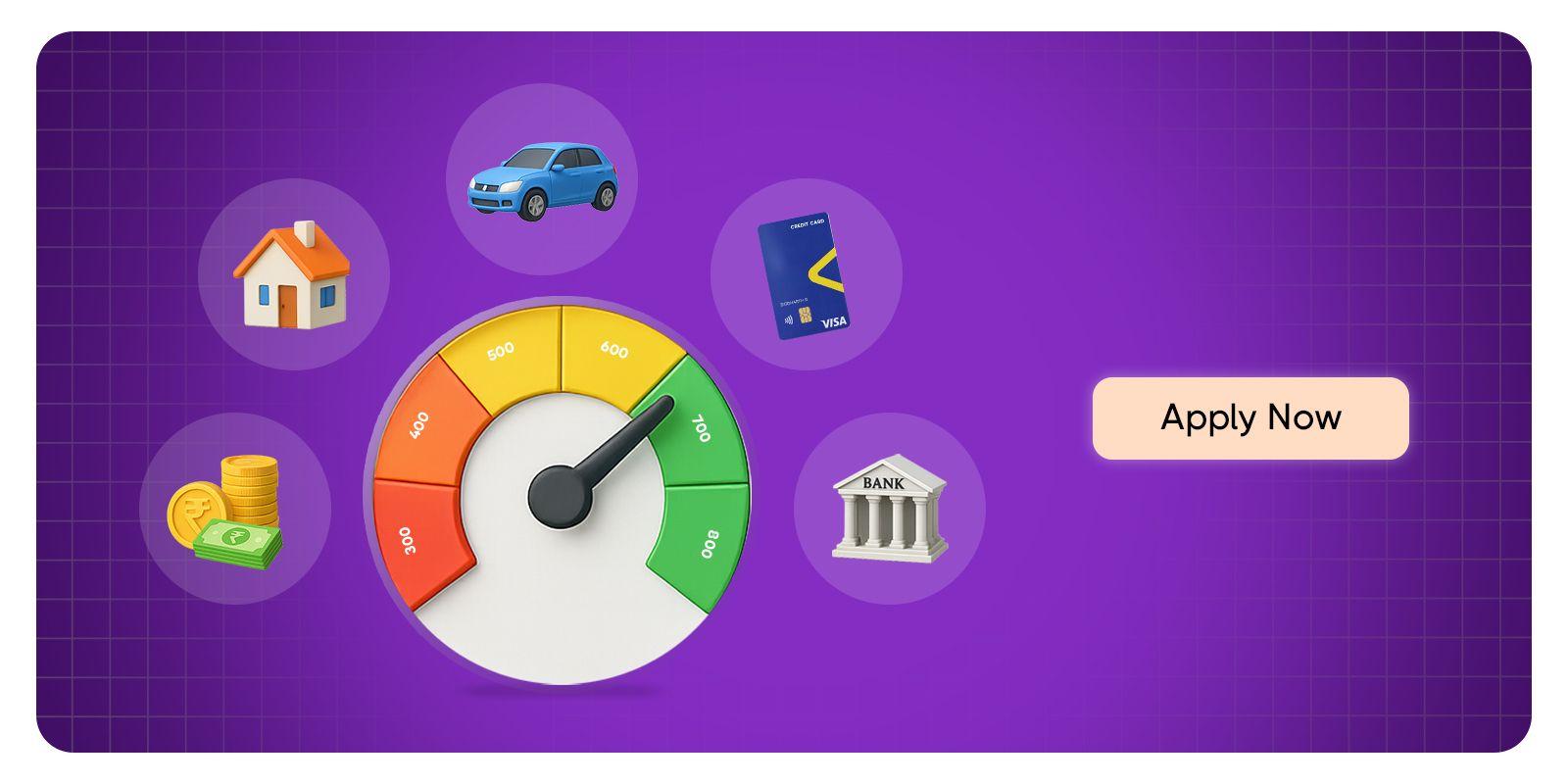
Over the years, many banks have lowered the eligibility age to 18 and above, allowing young individuals to access credit cards and begin their journey toward financial independence. In India, a strong credit history used to play a significantly important role in getting approved for a credit card. But now, with the introduction of a low CIBIL score credit card, more and more youngsters are able to cross over the hurdle of 750+ credit score in their usual credit card application process.
Getting a credit card at a young age is not always easy, as banks are often cautious about extending credit to first-time users. However, individuals aged 18 and above can still take steps toward financial independence and start building credit responsibly in India with the help of Fd-backed credit card. Since a good credit score and clean financial record are important for credit card approval, young adults can follow these methods to build their credit early:
1. Get a Secured Credit Card – Choose an FD-backed, student, or beginner credit card.
2. Become an Authorized User – Use a parent’s credit card account responsibly.
3. Pay Student Loans on Time – Timely repayments help build a positive credit history.
4. Try a Credit-Builder Loan – A useful option to establish credit from scratch.
5. Report Monthly Bills – Add eligible bill payments to your credit report.
Banks That Provide Credit Cards To 18+ Youngsters In India
A few banks are known to move with time and have reduced the credit card age limit, as youngsters are smarter than ever and are more exposed to entrepreneurship as compared to the previous times.
For a 16-year-old, to dream of attaining financial independence is the new norm and is highly exciting, as many factors play a role for youngsters of a country to be thinking like adults.
A few banks that allow an 18+ credit card age limit are as follows:
1. Axis Bank
2. SBI Card
3. ICICI Bank
4. Kotak Mahindra
5. Paisabazaar
6. IDFC First Bank
Other than age, several other factors affect the process of getting a credit card in India. Factors such as income, employment status, and credit score are carefully considered to assess an applicant’s eligibility. A stable source of income and a good credit history play a crucial role in the credit card approval process in India. These factors are highly important for securing approval.
Some credit cards may have specific eligibility criteria. Therefore, it is important to check with the issuing bank regarding the rules, regulations, and application process details.
This question is quite common, especially among parents. Here’s why age matters when applying for a credit card in India:
1. Eligibility Checks Matter – Not all young individuals have established financial responsibility, so banks conduct thorough background checks before issuing credit cards.
2. Age Requirements Vary by Bank – While some banks offer credit cards to individuals aged 18 and above, many traditionally required applicants to be 21+. Some banks still prefer older applicants due to the lack of credit history and stable income among younger users.
3. Income and Credit History Are Key – Credit card approval depends on factors like income, credit score, and existing debt. Individuals under 18 usually lack a credit history and a stable source of income, making approval difficult.
4. Student-Friendly Options Exist – Banks may offer alternatives for students, such as student credit cards, education loans, or prepaid cards.
5. Support for Financial Independence – Indian banks do provide options to help young people begin their journey toward financial independence through age-appropriate financial products.
Students aged 18 and above can apply for a student credit card in India. Considered one of the best credit card options for youngsters, student credit cards are designed to help students manage their finances. They offer many standard credit card features, including rewards, discounts, and other benefits.
A few Student Credit Cards offered by Indian banks are mentioned as follows:
1. HDFC Bank Forex Plus Card
2. Bihar Student Credit Card
3. West Bengal Student Credit Card
4. ICICI Bank Student Forex Prepaid Card
5. IDFC WOW Credit Card
1. Lower Credit Limits – Student credit cards typically come with lower credit limits, helping youngsters manage spending responsibly. Some cards may offer limits starting from around ₹15,000.
2. Longer Validity – Many student credit cards offer a validity period of up to five years, compared to the shorter validity of some regular credit cards.
3. Free Duplicate Card – If the card is lost or stolen, students may be eligible for a replacement card at no extra cost.
4. Minimal Documentation – Student credit cards generally require less documentation than regular credit cards, making the application process simpler.
5. Low or Zero Fees – Many student credit cards offer low annual fees and zero joining fees, making them more affordable for students.
6.Rewards and Discounts – Student credit cards often include cashback offers, rewards points, discounts, and loyalty benefits.
Another popular option for youngsters is the FIRST WOW Credit Card, available to individuals aged 18 and above. It offers features such as ATM cash withdrawals and travel-friendly benefits. However, applicants should review the latest eligibility criteria, fees, and features before applying.
Yet another Best Credit Card for youngsters is the FIRST WOW Student Credit Card, which provides 100% ATM Cash withdrawals. The FIRST WOW Credit card can be used while travelling as well and can be attained by youngsters of the age group 18 and above. The FIRST WOW Credit card also offers:
1. No Currency Exchange Hassles
2. No Forex Conversion Fee
3. Four Times More Reward Points on every travel expenditure and general expenditure.
4. Zero Cost Joining Fees
5. No credit History or Income Proof Required.
6. Earn on Fixed Deposits as much as 7.25%
To be eligible for a FIRST WOW Credit Card, applicants must meet the following criteria:
1. Minimum Age Requirement – Applicants must be 18 years or older.
2. Indian Residency – Applicants must be Indian citizens with a permanent address in India.
3. Fixed Deposit Requirement – Applicants must maintain a minimum fixed deposit (FD) of ₹20,000.
While credit cards can help individuals manage their finances effectively, responsible usage is essential. Banks closely monitor repayment behavior, and missed payments or poor credit scores can negatively impact a credit account. Such financial behavior may be viewed as irresponsible and can affect future credit eligibility.
While credit cards can help individuals manage their finances, they also require responsible usage. Banks closely monitor repayment behavior, and late payments or poor credit scores can negatively affect a credit account. Such actions are often viewed as financially irresponsible and may impact future credit opportunities.
A few key reasons why age limits for credit cards are important are:
Financial Responsibility – Banks set age limits to assess whether an individual can manage finances responsibly and repay debts on time. Younger individuals may have limited financial experience.
Income & Stability – Teenagers aged 16 or 17 typically do not have a stable source of income. Since most banks require applicants to have regular income, eligibility is often linked to age and employment status.
Legal Capacity – In India, individuals can legally enter into contracts from the age of 18. However, some banks may still prefer older applicants based on their policies.
Maximum Age Limit – Some banks may also have a maximum age limit for credit card applicants, often around 60–65 years, depending on their policies.
The minimum age requirement can vary across banks in India. Here are a few examples:
Other than acquiring an instant online credit card, a few other best alternatives are as follows:
1. Debit card
2. Overdraft
3. Personal loan
4. Secured loan
5. Short term loan
6. Guarantor Loan
7. Basic Current account
8. Peer-to-Peer Lending
As per the Reserve Bank of India (RBI) guidelines and standard banking practices, the minimum age to apply for a standalone credit card in India is 18 years. However, applicants must also meet certain requirements, such as:
1. Identity Proof – Aadhaar card, PAN card, or other valid ID proof.
2. Address Proof – Valid proof of residence.
3. Income Proof – Usually required, though it may not be mandatory for student or secured credit cards.
While the RBI does not mandate income proof for every applicant, banks generally require it unless the applicant is applying for a student or secured credit card. The RBI also ensures that credit card issuers follow proper due diligence and provide clear terms and conditions, especially for first-time or young cardholders.
Student Credit Cards:
1. Designed specifically for enrolled students.
2. Typically have no or minimal income requirements.
3. Offer lower credit limits to encourage responsible spending.
4. May include benefits like discounts on education-related purchases or e-commerce.
Secured Credit Cards:
1. Require a fixed deposit or collateral with the bank.
2. Credit limit is usually a percentage of the deposit amount.
3. Easier approval for applicants without income or credit history.
4. Help in building or improving a credit score with consistent repayments.
In today’s India, young adults aged 18 and above are actively working toward financial independence, and banks are increasingly offering products to support that journey. With benefits such as cashback, rewards, and discounts, credit cards can help young adults manage their finances in a structured way. As financial awareness grows, opportunities for young consumers are likely to expand further.
1. Can a 16-year-old get a Credit Card in India?
As per most banks, no. A 16-year-old applicant can hardly get a Credit Card in India.
2. What is the appropriate age, as per the Banks of India, to acquire a Credit Card in India?
As per the Bank of India, the legal age to acquire a Credit card in India is 18 years and above. For a few banks, the age limit is 21 years and above.
3. What are some of the best credit cards in India for Beginners with No CIBIL Score or Credit Score?
Some of the examples of a best credit cards for beginners in India are HSBC Visa Platinum Card, Axis Ace Credit Cards, Axis Bank Neo Credit Card, and SBI Card Elite.
4. Is a guardian or a guarantor required for young adults to apply for a credit card in India?
Yes. A guarantor is highly recommended, especially to sign on behalf of any irresponsible activity by the young applicant. This applies to age groups 18 or younger, by a few banks.
5. What is the age limit for acquiring a Fixed Deposit Credit Card?
The appropriate age limit, as per the Banks of India, to acquire a Fixed Deposit credit card in India is 18 to 75.
6. What documents are required in order to present to the bank to acquire a credit card in India?
The documents that are required to be presented to the Bank in order for the applicant to get their application approved for a credit card in India are: Valid ID and Address Proof, Passport Size Photographs, PAN Card or Form 60, and Proof Of Income, such as the latest pay slip and Form 16.
7. What are other options, other than a credit card, for teenagers aged 18 years with no credit history in India?
Options other than credit cards, for teenagers aged 18 years, in India are, Student Credit Cards and Secured Credit Cards.
8. Can I get a credit card at the age of 18 without proof of payment?
Yes, if you apply for a Student credit card or a secured credit card, pay verification may not be vital. Be that as it may, standard unsecured credit cards by and large require salary documentation, even if you're 18.
9. Is there any age-based distinction between secured and unsecured credit cards?
Yes. Secured credit cards are frequently accessible to more youthful people (18+) without a wage, as they are supported by a settled store. Unsecured cards, on the other hand, more often than not require the candidate to be 21+ with a steady income.
10. What is the age limit to apply for an add-on credit card in India?
Most banks in India permit add-on cards from the age of 18, in spite of the fact that a few may issue them to those aged 15 or over with parental assent. The essential cardholder is dependable for any Debits incurred.
11. Does age influence credit limit endorsement for first-time applicants?
Yes. Youthful candidates, particularly first-timers or understudies, ordinarily get lower credit limits (₹10,000 to ₹30,000). This is because banks consider your age and need for pay or credit history as chance factors.
12. Can I get a lifetime free credit card if I am under 21?
Possibly. A few Student and secured cards offer lifetime free choices with no yearly fees. In any case, most lifetime free offers are connected to investment edges or are promotional.
13. Are Student credit cards accessible promptly after turning 18?
Yes, if you can give Student ID confirmation and/or a guarantor (like a parent with a credit relationship), a few banks will issue Student credit cards once you turn 18.
14. Is a PAN card required to apply for a credit card at the minimum qualified age?
Yes. A PAN card is required for any credit card application in India, indeed for Student or secured cards. It’s required for wage Debit and credit announcing compliance.
15. What happens if I apply for a credit card under the qualified age?
Your application will be rejected. Submitting untrue data can moreover adversely influence your credit history in the long term. It’s superior to hold up until you're eligible.
16. Are there any credit cards accessible for college students in India without customary income?
Yes. Student cards and secured cards are outlined for those without a standard wage. They come with fundamental credit limits and offer assistance you build your credit profile gradually.
17. Can I utilize a credit card issued in my parents’ name if I’m not 18 yet?
Legally, you cannot utilise a card in somebody else’s title, but your guardians can get you an add-on card, which is a genuine way to get to credit offices some time recently turning
18. Can I get a credit card without income proof if I am a student?
Yes. Many student credit cards accept proof of enrollment as an alternative to income proof.
19. What is the role of a cosigner for credit cards below 21?
A co-signer (usually a parent or guardian) suggests that they will repay the account in the event that the applicant cannot do so. Having a co-signer may be necessary when an applicant is younger than 21 or does not have a source of income.
20. Are student credit cards free of annual fees?
Most student credit cards do not charge an annual fee or only charge a small amount in order to promote responsible use of the credit card.
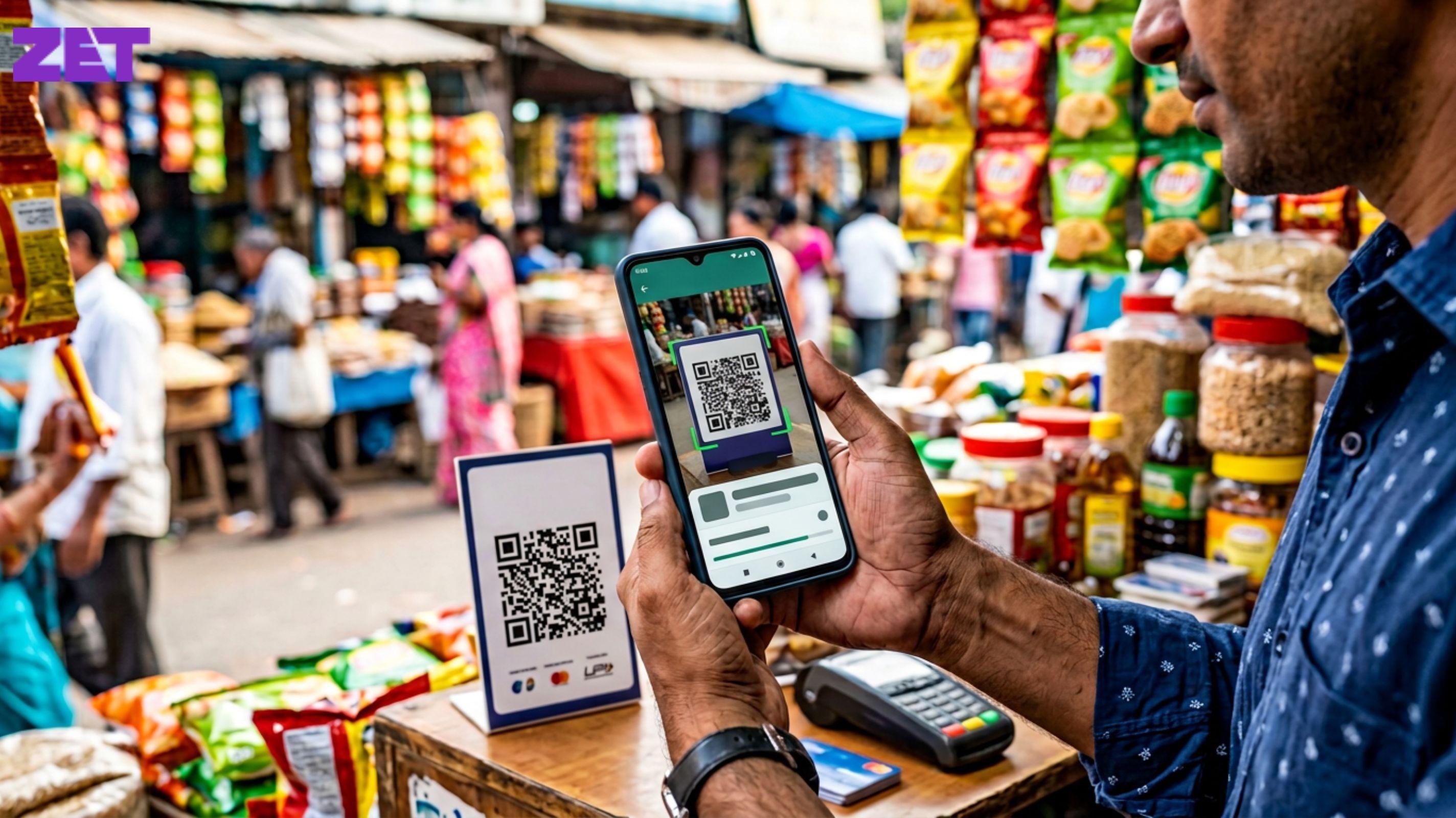
21. Can I link my credit card to UPI at age 18?
Yes. Most banks allow for linking a credit card to a UPI account starting from 18 years old for easier payment and transaction methods on the internet.



Contact

care@zetapp.in
Social


Build and Maintain a 750+ Credit Score