July 3, 2026 · 7 mins read
Most people in India only think about their CIBIL score the moment a bank declines for a loan or a credit card. A loan rejection, a credit card denial, or a housing application that gets turned down, and suddenly everyone wants to know what went wrong in their financial journey.
The problem is that the damage has often already been done, weeks or months before they even thought of checking their credit score. These are not dramatic mistakes. These are quiet errors that keep building up every day. A failed application triggers an inquiry on your credit report that can pull your CIBIL score down further, making the next application even harder to approve. This blog covers the habits that quietly damage your credit report, why they matter, and how to course-correct before they cost you.
Table of Contents
1. Why Does Your Credit Report Differ From Your Credit Score?
2. The Mistake Of Never Checking At All
3. How Utilisation Quietly Destroys A Good Score
4. What ZET Does Differently
5. Conclusion
6. FAQs
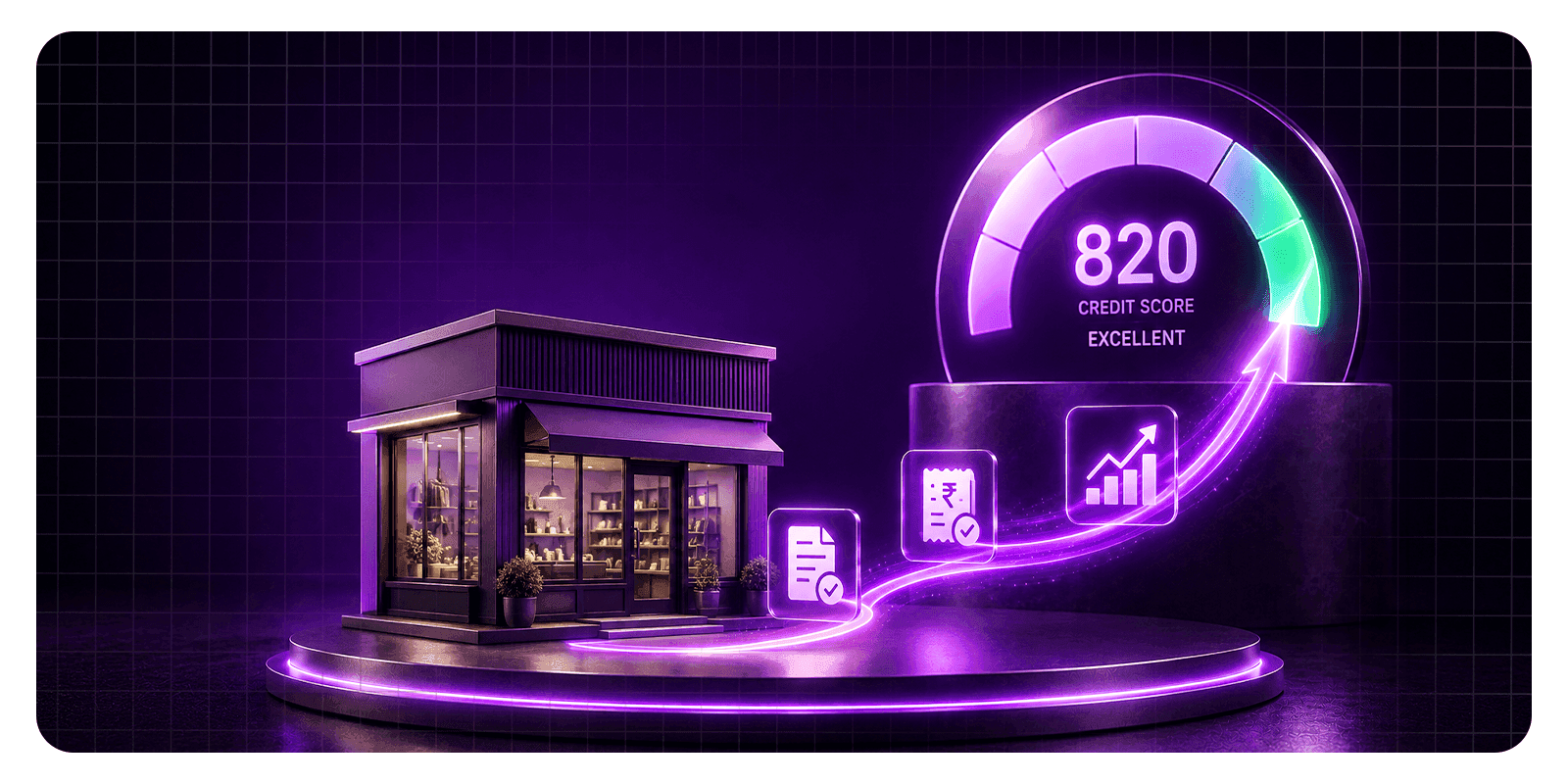
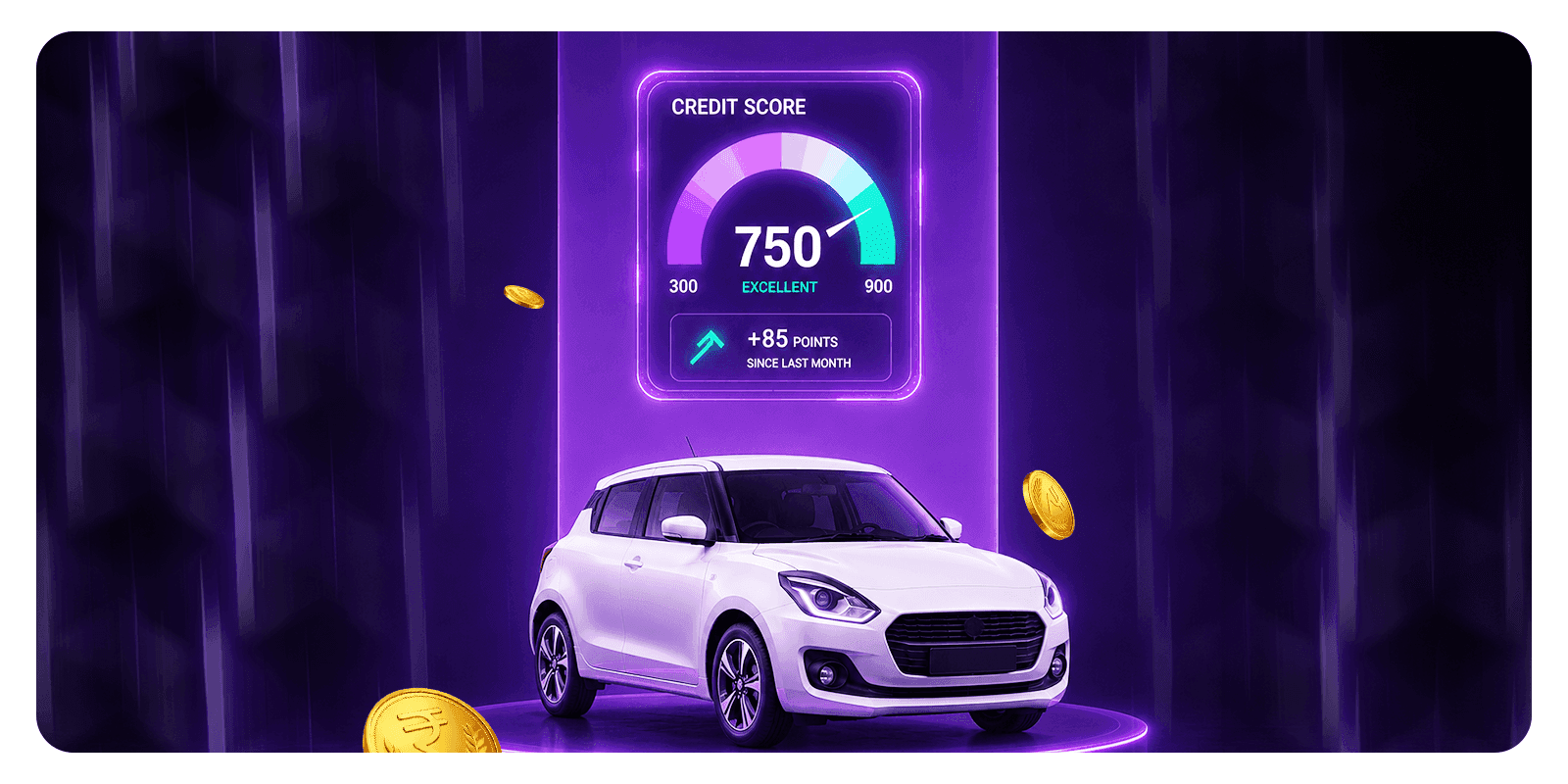
Before getting into the mistakes, let us separate the two concepts that most people treat as identical. The first one is a credit score. A credit score is a three-digit number, ranging from 300 to 900 that summarises your credit behaviour. A stronger score signals responsible credit management, improving access to loans, higher credit limits, and better financial opportunities. A weaker score makes approvals difficult to achieve.
A credit score above 750 is generally considered good, and it can help users get loan approvals more easily, while a lower credit score will lead to frequent rejections.
A credit report is the full document behind that number. It lists every credit account, credit inquiries, repayments, every default in repayment. The mistake that most Indians make is obsessing over the number while never reading the report. Everyone wants to know ‘credit score kaise badhayein’, but nobody wants to read what is actually pulling it down. The report itself contains all the errors currently active on your credit profile. If you have ever searched 'CIBIL score check online', went to an official website, added your details, saw your number and then closed the tab, you have already made the first and most common mistake of them all.
People in India often treat CIBIL score as something that you do only when you need an urgent loan. This is not a healthy habit at all. Errors on your credit report do not wait for a particular moment to appear. They show up silently, and they stay until someone catches them. By the time you apply for a credit card or a loan, the error is already pulling down your CIBIL score. And figuring it out or getting a solution takes weeks.
A simple habit that can change the entire situation is doing a simple ‘CIBIL score check online’ at regular intervals. It gives you a clear snapshot of your credit health before problems go unnoticed and helps you to stay ahead of errors instead of reacting to them later.
You are entitled to one free credit report per year from each bureau, such as CIBIL, Experian, Equifax, and CRIF High Mark. The ZET application also provides access to your Experian score, making it very easy to stay on top of where you stand without having to jump between numerous platforms at once. Checking your credit score regularly is not a problematic habit at all. It is a responsible habit, and responsible financial behaviours will help you grow financially in the future.
The credit utilization ratio is the percentage of your available credit limit that you are actually using. It is advised that you keep it under 30% at all times, and by doing so, it works in your favour. By going above it on a consistent basis, your credit score drops, even if the repayments are made on time.
Here is what most people miss. The credit utilization ratio is not just one number. It is calculated both per credit account and across all your active credit accounts combined. So, if you have one credit card with a limit of rupees 10,000 and you spend rupees 8,000, your utilization is calculated at 80%, even if you pay it off completely at the end of every month. The bureau captures the balance at the statement date, not at the payment date. So the damage is already logged in before you even settle the bill.
If you have been searching for ways to 'credit score kaise badhayein' but hitting a wall, the answer might be simpler than you think. Start by checking your credit utilisation ratio. It should be your first priority. Keeping individual credit card usage below 30% of the limit is one of the most direct advantages you can have over your credit score profile.
If this blog has made you want to check where your credit score stands and take action, ZET is the right place to start.
India's credit scoring system is based on how you use and repay credit, not on whether you are salaried or self-employed. Anyone can build a credit score through responsible use of credit cards or loans. Many small business owners, freelancers, and self-employed individuals simply lack a credit history due to limited use of formal credit products.
This is where ZET comes in, offering structured credit-building solutions for individuals starting from scratch or looking to improve their credit profile. It also provides accessibility to credit builder loans designed to support credit growth for eligible users.
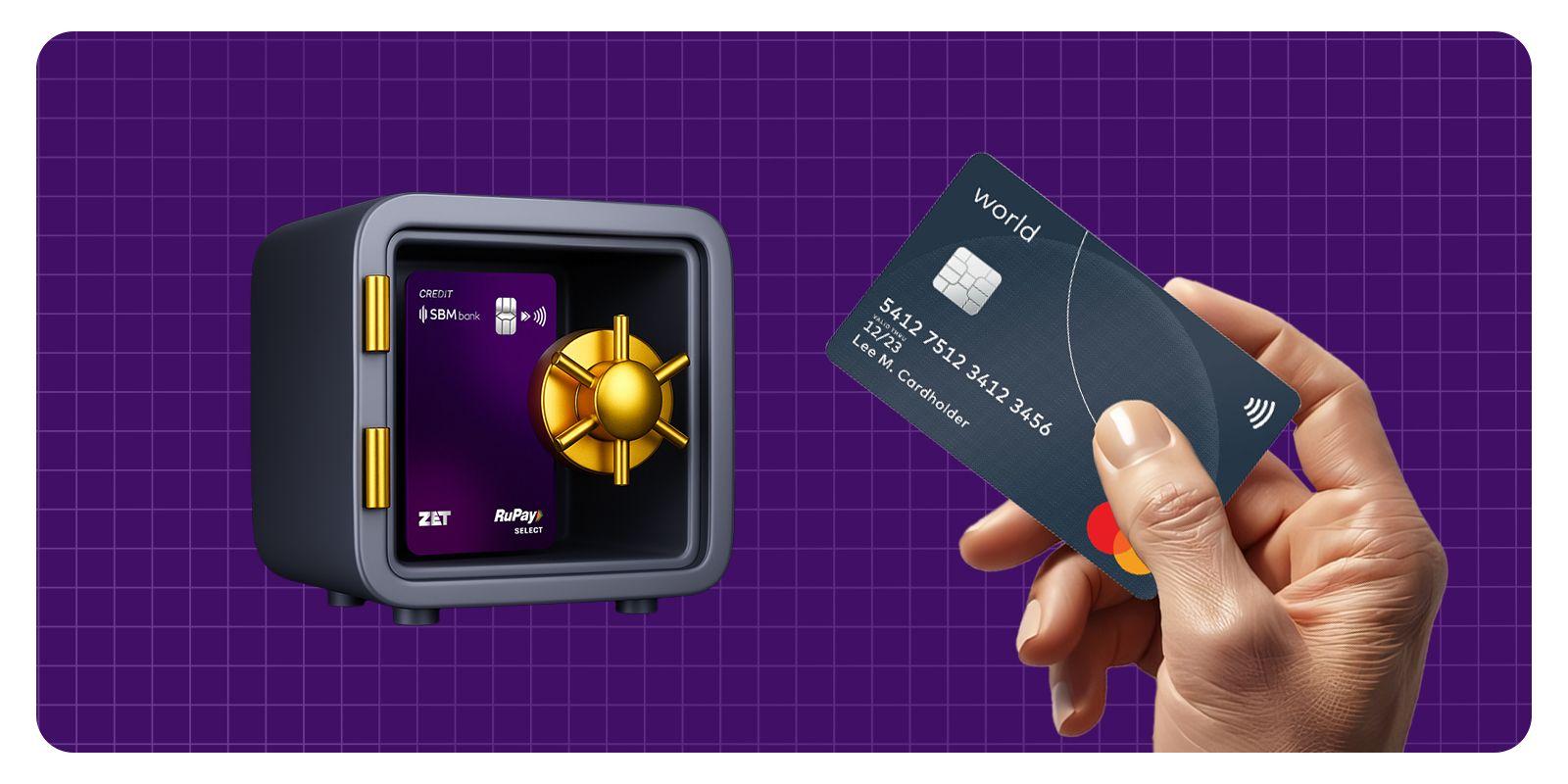
ZET is a credit-building platform offering the ZET FD Credit Card, a lifetime-free FD-backed RuPay credit card issued in partnership with SBM, IOB, and DCB. Built for people with no credit score, a low score, or prior rejections. The ZET Credit Card comes with numerous benefits. The benefits are as follows:
Most credit-building applications ask you to already have credit before they help you build it. ZET does the opposite. A small fixed deposit is all it takes to get started, and from that point, every transaction you make works quietly in the background, shaping a credit score that banks will eventually have no reason to question.
Conclusion
In conclusion, a credit report error sitting undetected is money quietly leaving your financial future and stability. People who build strong scores are not necessarily those who earn more. Rather, they are the ones who are aware of their financial condition and where they stand. They check regularly, act when necessary, and use tools that support their needs.
By using the ZET app, you will be able to start building your credit score from scratch and begin a healthier financial future built on strong habits, consistency, and informed decisions. A low or absent CIBIL score is not a dead end. It is simply a starting point that has not been acted on yet.
FAQs
**1. How often should I check my credit report? **
At least once every three to four months. Catching errors early prevents long-term damage to your credit score.
**2. Does checking my own CIBIL score affect it? **
No. It is a soft inquiry and has zero impact on your CIBIL score. Only lender-initiated hard inquiries do.
**3. Can I use ZET if I have never had a credit card before? **
Yes. The ZET FD Credit Card requires no prior credit, no income proof, and guarantees approval once you book your fixed deposit.



Contact

care@zetapp.in
Social


Build and Maintain a 750+ Credit Score