July 3, 2026 · 7 mins read
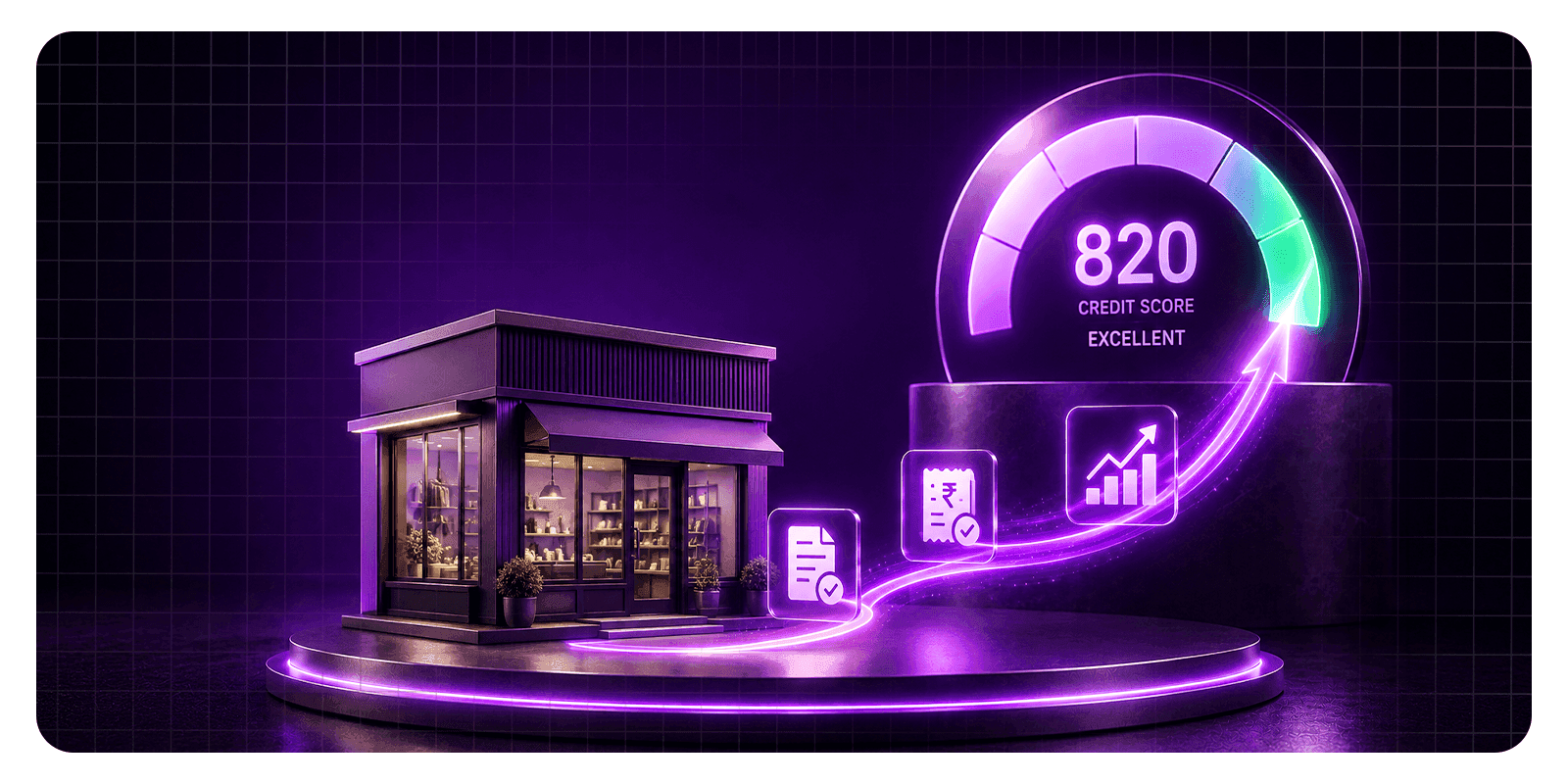
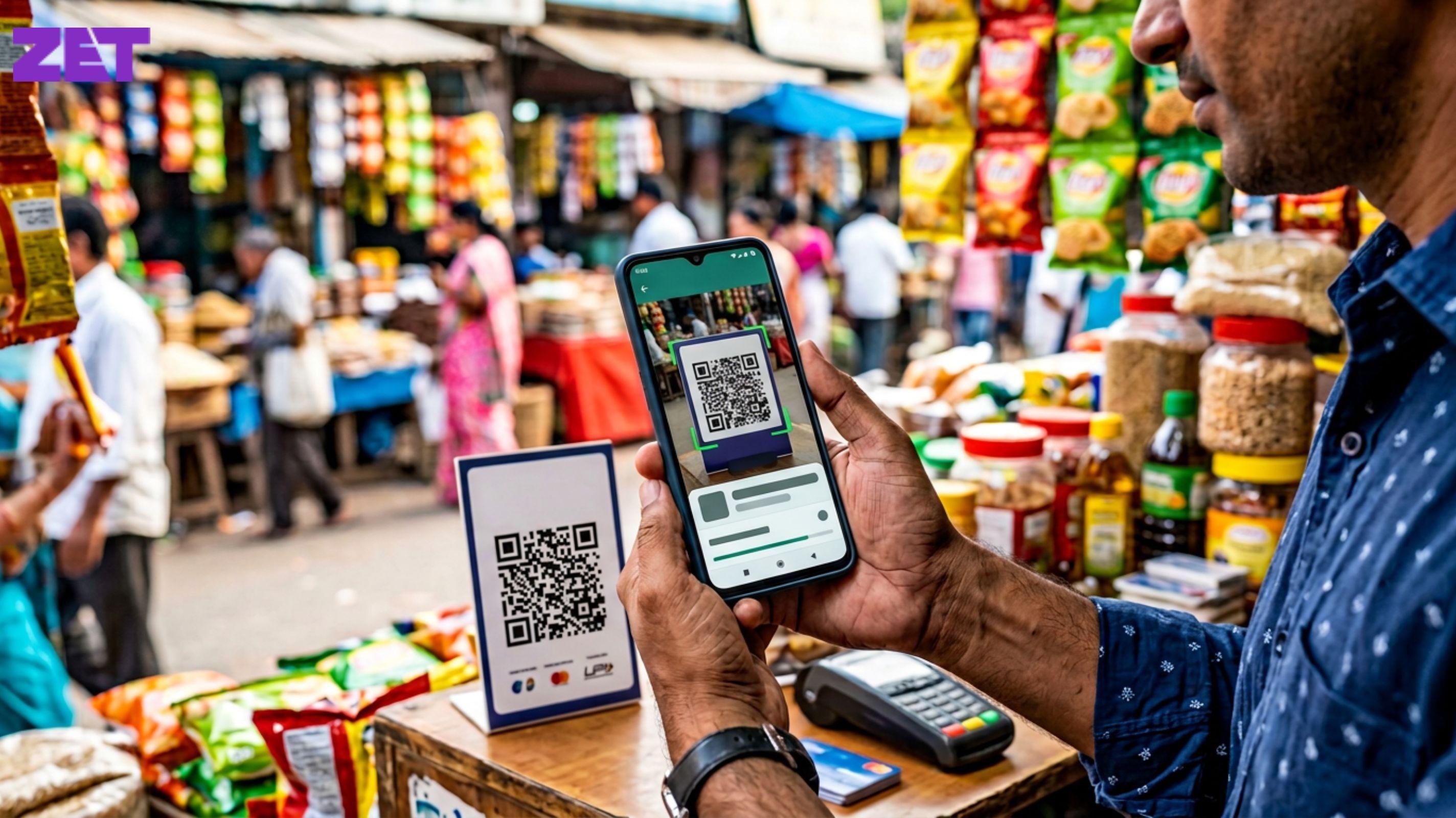
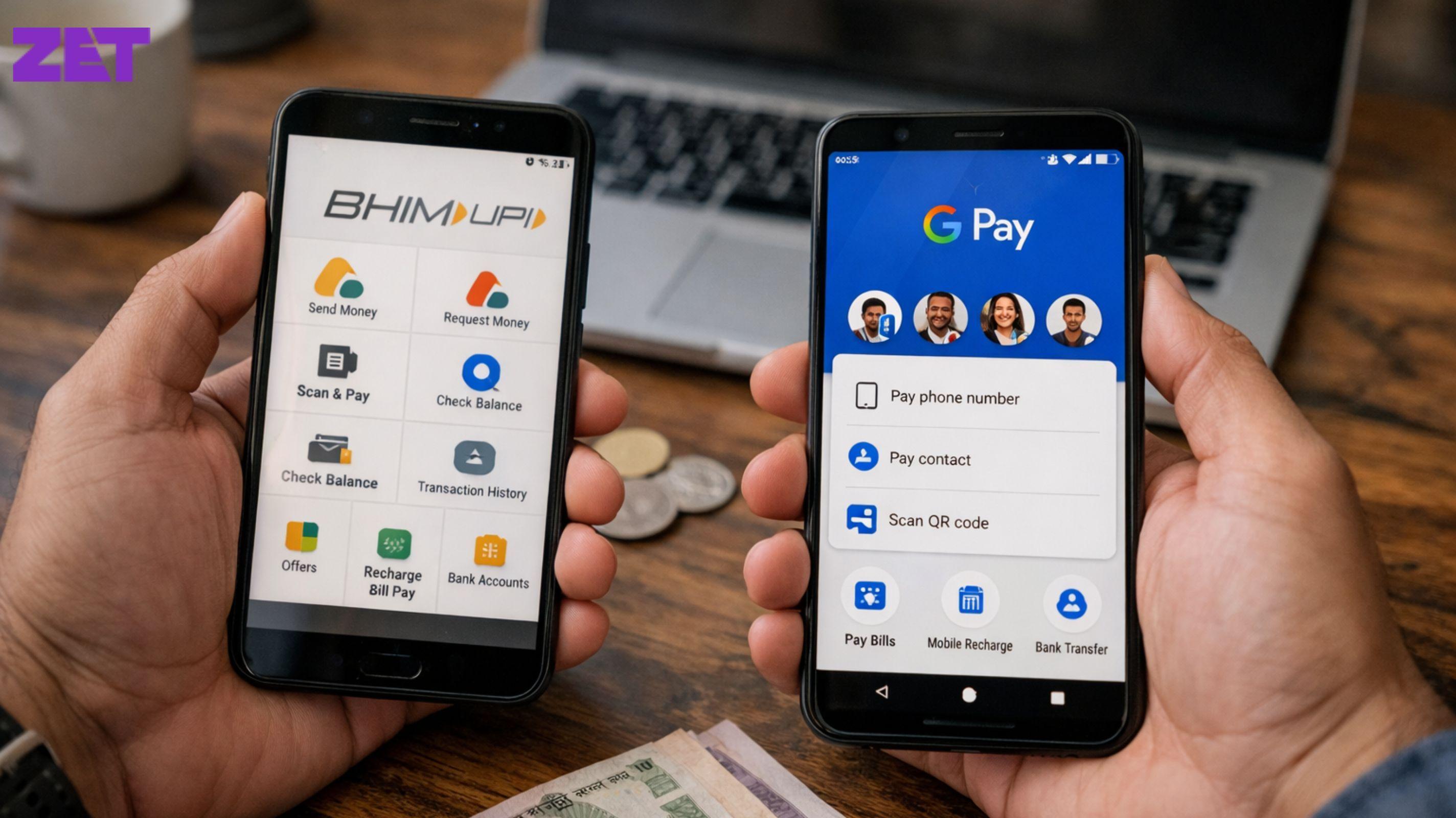
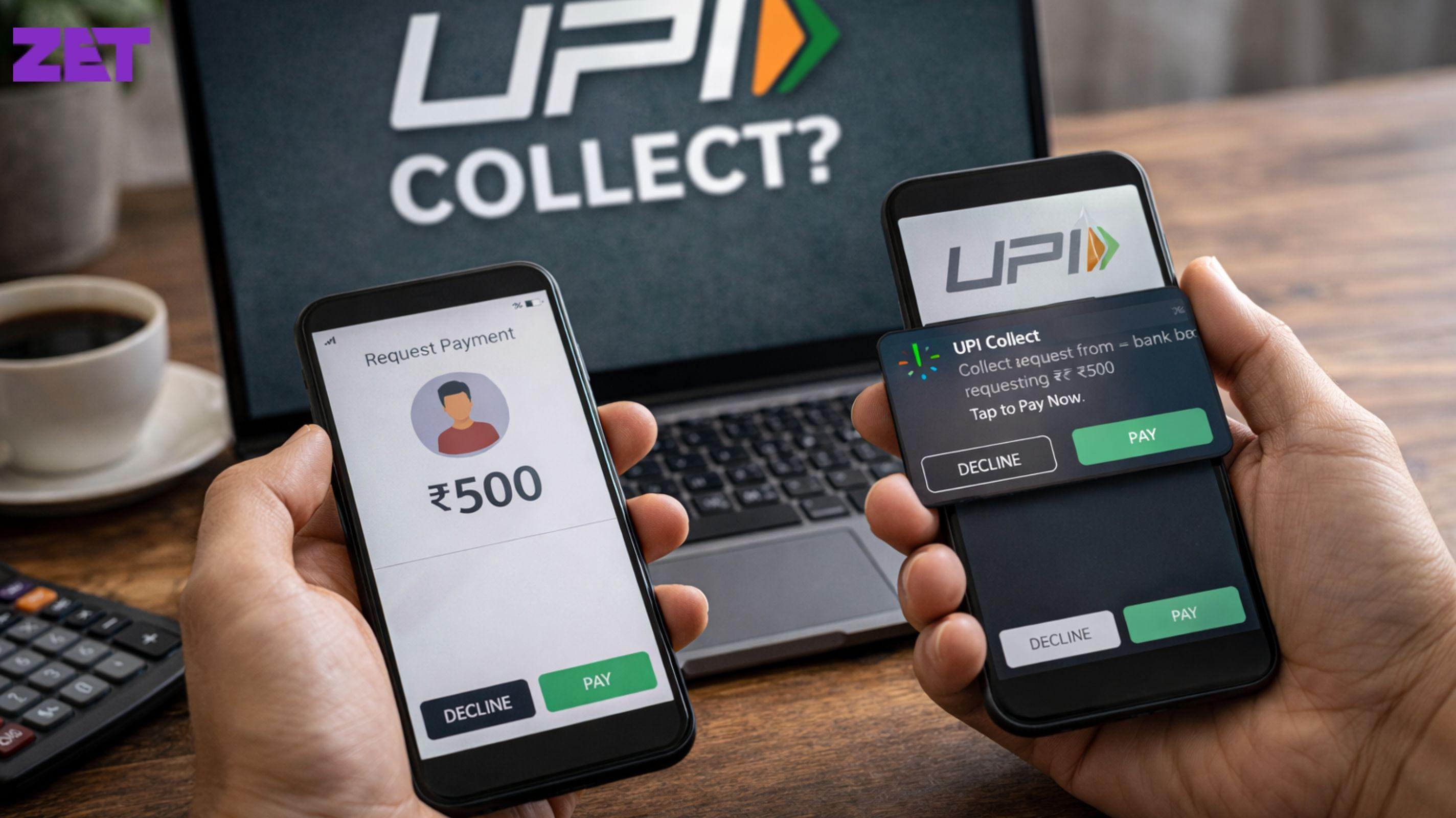
Small business owners in India run on UPI. From a vegetable vendor in Pune accepting payments through a QR code to a boutique owner in Chennai collecting daily payments on her phone, UPI has become the backbone of everyday commerce in India. But here’s a question most of them never think of: Does all that UPI activity do anything for their CIBIL score? The short answer is no. Regular UPI payments, transfers, or merchant transactions are not reported to credit bureaus. They do not directly increase or decrease your CIBIL score because they are not treated as credit behaviour.
Table of Contents
1. What UPI Actually Does And Does Not Do For Your Score
2. Why Are Small Business Owners Invisible to Credit Bureaus?
3. The Real Gap Between Transactions And Credit
4. How Does a Credit Card Change Everything?
5. How ZET Helps Small Business Owners Build Credit Seamlessly?
6. What ZET Offers To Small Business Owners
7. Conclusion
8. FAQs
UPI transactions, no matter how frequent or large, are not reported to credit bureaus. A shopkeeper processing rupees 50,000 in UPI payments every month still has zero credit footprint. Bureaus like CIBIL and Experian only record credit products such as loans, credit cards, and overdraft facilities. UPI sits entirely outside that ecosystem.
This means that any small business owner who has never taken a loan or used a credit card before has no CIBIL score at all, or one so thin that lenders are unable to evaluate it properly. If you have searched for something like ‘credit score kaise badhaye’ and primarily run your business through UPI, you already know how frustrating this is. These payments are real, the business is real, but the catch is that the score does not exist because bureaus have never seen you borrow and pay back anything.
Why Are Small Business Owners Invisible to Credit Bureaus?
India's credit system is built on how you use and repay credit, not whether you are salaried or self-employed. Anyone can build a score through credit cards or loans, but many small business owners and freelancers simply never have, which means their credit history does not exist yet.
Without a payslip, most standard credit card applications go nowhere. They are basically rejected. Without a credit card or a loan, there is no credit profile, no credit score. Without a credit score, the loan that could help grow the business gets rejected. It is a loop with no clear entry point unless you understand what actually breaks it. This is the loop that traps most small business owners. No credit product means no credit history, and no credit history means no access to the credit product that could help them grow.
The Real Gap Between Transactions and Credit
Most small business owners assume that because their business generates consistent income through UPI, a bank will see them as creditworthy. But here is the important point to be noted: banks do not look at UPI income when calculating a credit score. They look at what credit bureaus report, and bureaus only speak the language of credit products. A strong credit score in India is built on four parameters. These are as follows:
None of this happens through UPI alone. The credit utilization ratio only becomes relevant once you have an active credit card.
How Does A Credit Card Change Everything?
Once a small business owner gets a credit card through a properly channelled financial institution, they can use it for everyday purchases and pay the full bill before the due date. After this, the bureau starts tracking it. It records each billing cycle that closes with a full on-time payment. It adds positive entries to the credit profile, and by keeping the credit utilization ratio under 30% of the available limit, the CIBIL score begins to climb.
Standard credit cards often require income proof, salary slips, a minimum income threshold, and an existing score above 750. Many self-employed individuals without documentation are unable to qualify. The application gets rejected, which creates a hard inquiry on the credit report, lowering the CIBIL score further. Searching for ‘CIBIL score check online’ after a rejection only confirms what most owners have already suspected throughout.
How ZET Helps Small Business Owners Build Credit Seamlessly?
For small business owners who are just beginning their credit journey, platforms like ZET India help simplify how credit building fits into everyday usage. Instead of treating credit as a separate financial activity, the system is designed to integrate it into routine spending and long-term profile building.
These include:
This makes it easy for first-time users to start building credit through the same UPI spending they already do every day, without changing a single habit.
ZET Credit Card And Credit Builder Solutions Explained
Credit scoring in India is not limited to salaried individuals. It is built around how responsibly credit is used and repaid, which means anyone can develop a credit history through products like credit cards or loans. However, many freelancers, small business owners, and self-employed individuals often do not have an active credit record due to limited exposure to formal credit systems.
ZET addresses this gap by offering credit-building solutions for people who are either starting fresh or trying to improve their credit profile. It also gives access to Credit Builder Loans for eligible users, designed to support steady credit growth through structured borrowing and timely repayments reported to credit bureaus.
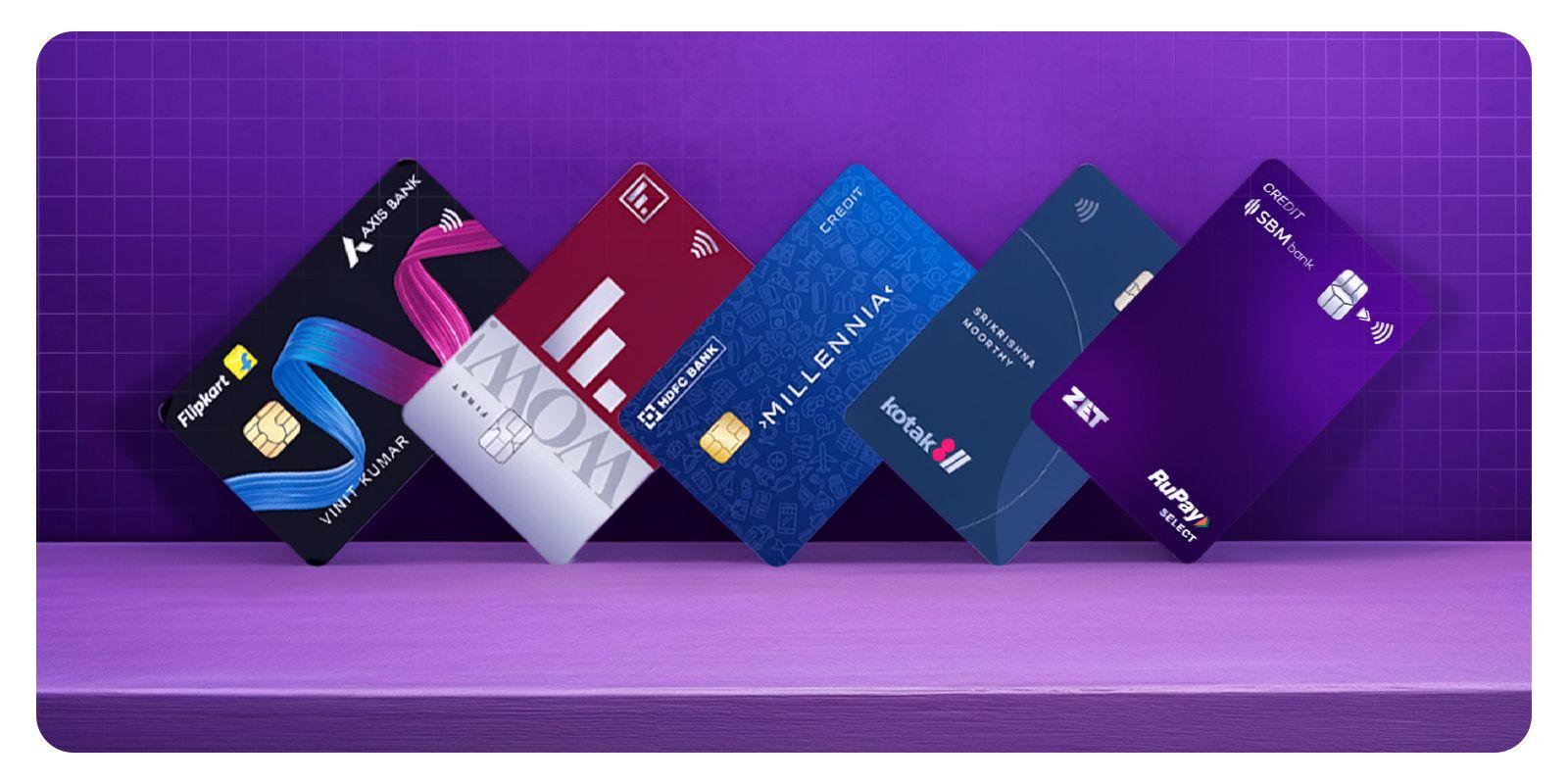
ZET is a credit-building platform trusted by over 10 lakh Indians across 15,000+ pin codes. It offers the ZET FD credit card, a lifetime-free FD-backed RuPay credit card issued in partnership with SBM, IOB and DCB. No income proof is required, no salary slips are required, and no existing credit score is needed. Approval is 100% guaranteed once you book a fixed deposit. Here are the necessary details that the ZET credit card offers:
Small business owners who already use UPI daily will find ZET UPI a natural extension of their existing system. Linking the ZET FD credit card with the ZET UPI app allows everyday purchases while keeping the credit utilization ratio under 30%. Over time, your CIBIL score begins to build through responsible credit usage.
A small business owner who wants to stop being invisible to lenders does not need to wait for salary-based employment. The entry point is a fixed deposit and a credit card. Platforms like ZET make this accessible to a wide range of users across India, helping them build credit history and stabilize their financial future in a structured way.
FAQs
1. Do UPI payments improve my CIBIL score?
No, UPI transactions are not reported to credit bureaus and have no direct impact on your CIBIL score. Only credit products like credit cards and loans are tracked.
2. Can a self-employed person with no credit score get a credit card approved through ZET?
Yes, the ZET FD Credit Card requires no income proof, no salary slips, and no existing credit profile. A fixed deposit starting at Rs. 2,000 is required, with approval based on that.
3. What is the credit utilization ratio, and why does it matter?
The credit utilization ratio is the percentage of your available credit limit that you are actively using. Keeping it below 30% signals responsible usage to bureaus and directly helps improve your credit score.



Contact

care@zetapp.in
Social


Build and Maintain a 750+ Credit Score