July 29, 2026 · 9 mins read
Have you ever filled out a credit card application or a personal loan application and felt your stomach quietly turn into knots as if you were waiting for the results of your board examinations? That anxiety is incredibly common among everyone. In India, most lending decisions start and end with a single three-digit number: the credit score. If you have ever wondered what goes on behind the scenes of a loan approval, the secret lies within your credit report.
Think of your credit report as a comprehensive financial report card. It tracks all the financial steps you have taken, irrespective of how reckless or responsible they have been. This includes your borrowing habits, credit card usage, bill payments and the number of loans or credit cards you have applied for over the years. At the centre of this report is your credit score, which is generated by bureaus to summarise your creditworthiness. While multiple credit bureaus operate under the Reserve Bank of India (RBI), the CIBIL score issued by TransUnion CIBIL remains the most widely used metric by major banks and financial institutions.
Checking your credit/CIBIL score on a regular basis is the first step towards mastering your personal finances. The second step is to understand what your credit report means and how to understand all of the terms and jargon mentioned in it.
Let’s first understand what exactly is a CIBIL/credit score.
Table of Contents:
1. What is a CIBIL Score?
2. Decoding Your Credit Report
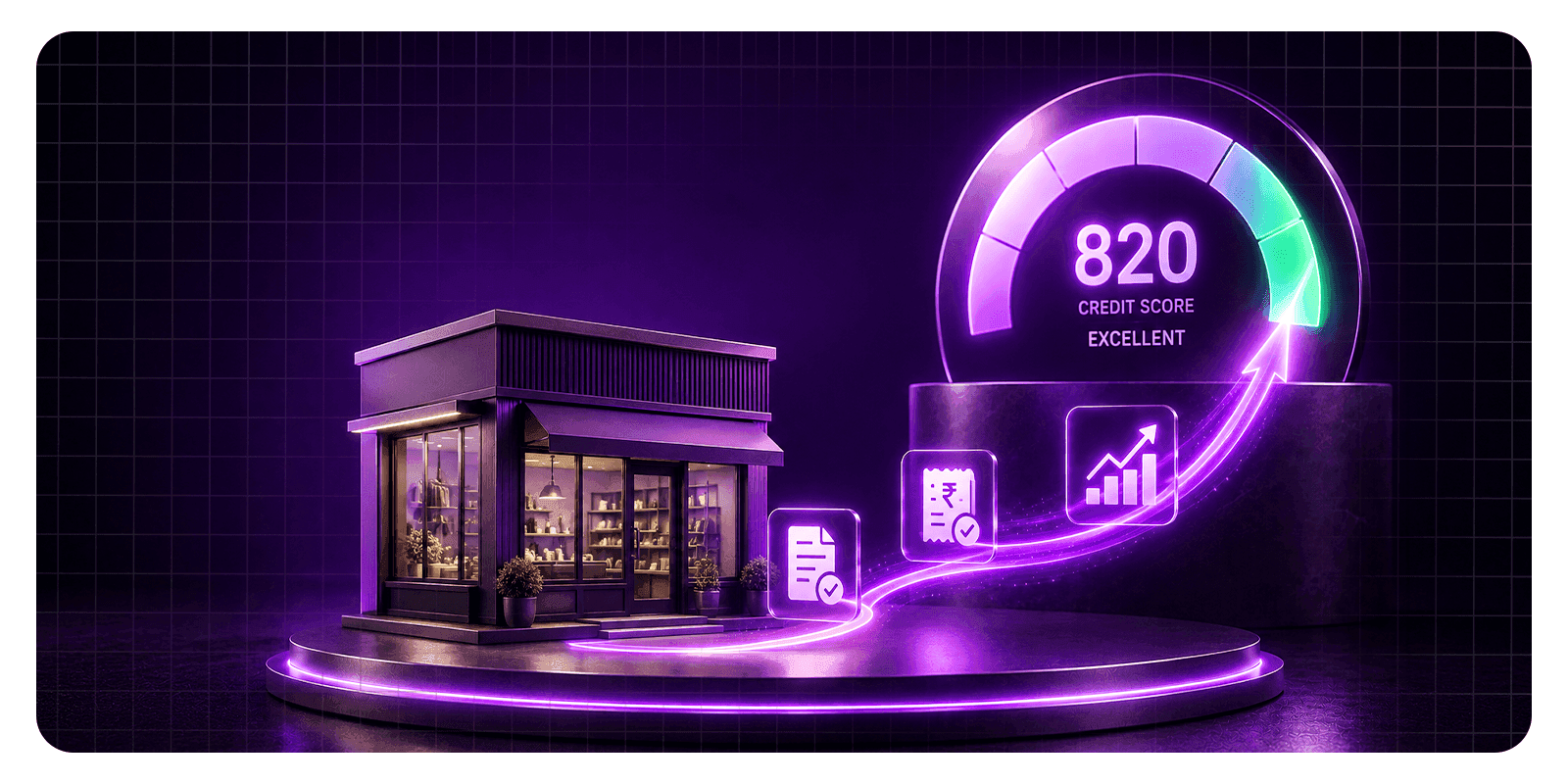
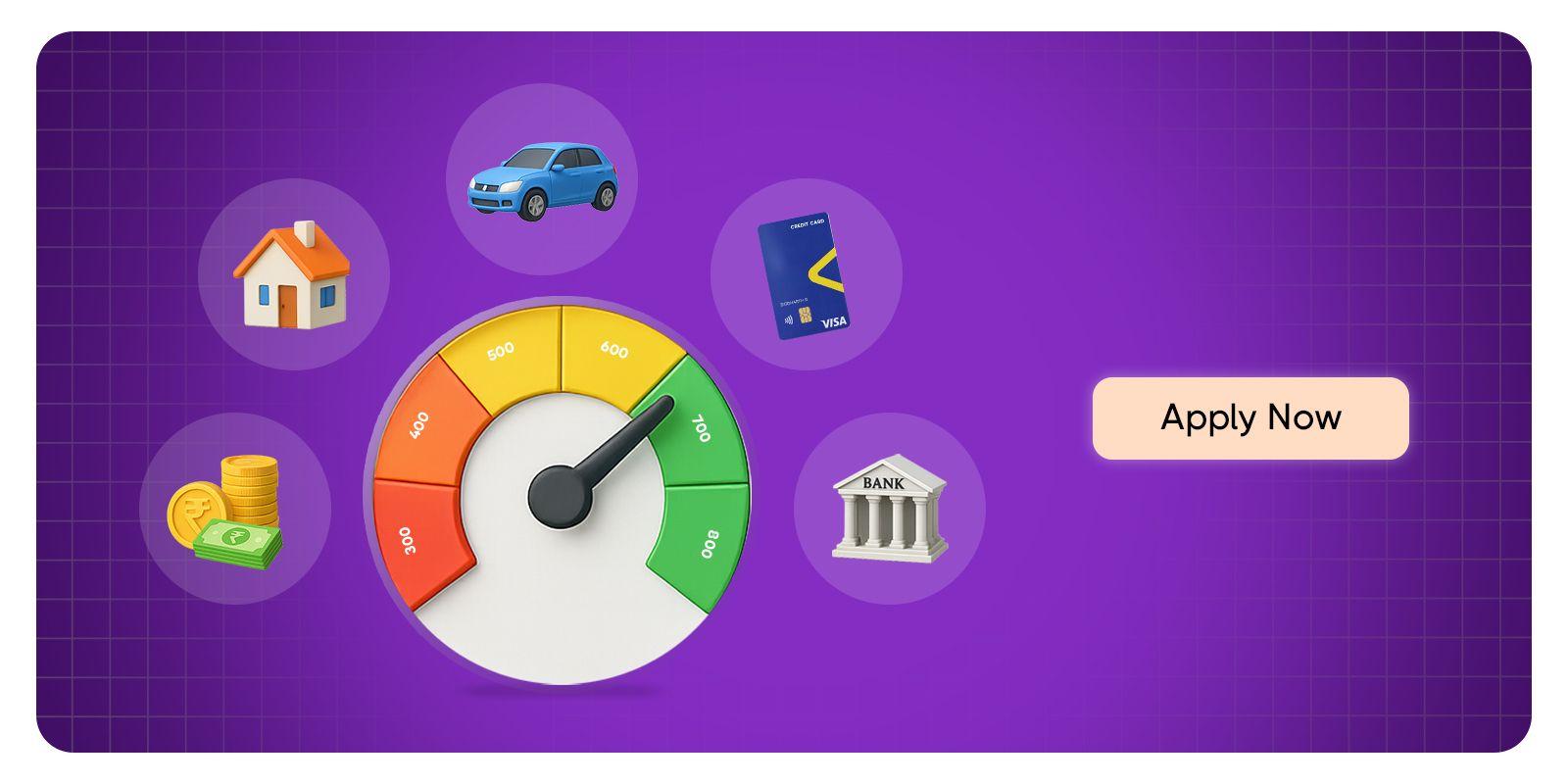
A CIBIL or credit score (often addressed or referred to synonymously) is a three-digit numeric breakdown of your entire financial history. When you perform a CIBIL score check online, it depicts your creditworthiness and ranges from 300 to 900, with 300 being the lowest and 900 being the absolute best you can achieve. Lenders look closely at your credit score to determine how likely you are to pay back borrowed money on time.
Here is a quick look at all the credit/CIBIL score ranges and what they generally mean for your financial future:
| Score Range | Rating | What it Means for You | | :---- | :---- | :---- | | 750 – 900 | Excellent | Super-fast loan processing, lower interest rates, and the highest credit limits. | | 700 – 749 | Good | High chances of smooth approvals, though you might have slightly less room to bargain on interest rates. | | 650 – 699 | Fair | Approvals are possible, but lenders will tread carefully and may request co-applicants or offer higher interest rates. | | 300 – 649 | Poor | Mainstream banks will likely reject unsecured loan or credit card applications outright. |
Whenever you perform a quick credit score check online, you will also notice an option of checking your credit report on the same website. When you click on this option, your entire credit report is generated. This report is more than just a 3-digit number. It is split into five vital sections that give banks and lenders a detailed story of your financial choices:
This sits prominently at the top. It serves as a real-time reflection of your credit status based on your repayment patterns.
This area displays your name, birth date, gender, and vital identity markers like your Permanent Account Number (PAN), passport details, or voter ID. Keeping this correct prevents errors where someone else's bad debts accidentally get attached to your profile.
Lenders report your income details when you apply for a credit line. Your credit report documents your primary income streams and employment history to verify your stability.
This is the most critical part of your report. It shows an ongoing, multi-year, month-on-month record of your active and closed credit accounts. It marks your home loans, car loans, personal lines, and credit cards alongside details like outstanding balances, total credit limits, and whether you paid past bills on time or late.
Every time you fill out a formal application for a loan, the bank performs what is known as a hard enquiry to run a credit score check on you. The report maintains a historical timeline of these lender enquiries over the past 36 months.
There are certain factors that have a very significant impact on your credit score and report:
Consistently paying every single Credit Card Bill and loan Equated Monthly Installment (EMI) on time is the single most important rule. Even one delayed or missed payment can strip dozens of points from your total score in a flash.
This measures how much of your total available credit card limit you use every month. For instance, if your credit card has a limit of ₹1,00,000 and your balance hits ₹60,000, your utilisation is 60%. Experts recommend keeping this number under 30% to avoid looking "credit hungry" to algorithms.
Having a mature history of older accounts proves you can manage money over long periods. Additionally, keeping a balanced mix of secured lines (like a home loan) and unsecured lines (like credit cards) adds major stability to your profile.
Applying for multiple loans or credit cards concurrently sends warning flares to lenders, signalling financial desperation and dropping your CIBIL score.
If your current score isn't quite where you want it to be, don't lose heart. A bad credit score is never a permanent life sentence; it is just a temporary snapshot of your past financial habits. You can take control and build your credit score back up using these four straightforward strategies:
1. Set Up Autopay Safely:
Since payment history dictates 35% of your total score, missing deadlines by accident is costly. Set up an auto-debit facility from your primary bank account for the total amount due on credit cards—never just the minimum balance.
2. Pay Down Existing Debts Strategically:
If you have balances floating across multiple credit cards, systematically pay them down to pull your overall credit utilisation ratio comfortably under that critical 30% marker.
3. Keep Your Oldest Accounts Active:
It can be highly tempting to close out an old credit card you no longer use, but doing so shortens the visible length of your credit history. Keep your oldest card open and run a tiny recurring charge through it every few months to anchor your credit age.
4. Audit Your Report for Errors:
Administrative slip-ups happen quite frequently. A bank might mistakenly report a cleared loan as "outstanding," which can drag your score down heavily. Check your report regularly to catch these clerical errors and immediately raise an official dispute through the CIBIL portal to get them resolved within 30 days.
Your credit report is ultimately an evolving story of how you handle your financial commitments over time. By getting into the habit of performing a regular credit score check, you will always know exactly where you stand in the eyes of lenders, banks and financial institutions. Building an exceptional credit score requires patience, discipline, and consistency that might come off as boring, but the long-term payoff- getting lower interest rates and immediate loan approvals is absolutely worth the effort.
1. What is a credit report?
A credit report is a detailed record of your borrowing and repayment history. It includes your CIBIL score, personal details, loan and credit card accounts, repayment history, and lender enquiries. It helps banks assess your financial reliability before approving credit.
2. How is a credit report different from a CIBIL score?
A CIBIL score is a three-digit summary of your creditworthiness, while a credit report contains complete information about your credit history, including loans, credit cards, repayment behaviour, and enquiries. Your credit score is calculated using the information available in your credit report.
3. How can I get my credit report online?
You can access your credit report by completing a credit score check online through a trusted financial platform or credit bureau. A CIBIL score check online usually gives you access to both your credit score and your detailed credit report.
4. What information is included in a credit report?
A typical credit report consists of your CIBIL score, personal and contact information, employment details, account details of open and closed loans, credit cards, repayment records, balance, and any inquiries by lenders.
5. Why should I check my credit report regularly? Any errors in your credit information, duplication of credit accounts, mistakes in marking the late or missed payments of loans or even the closure of your loan accounts can hurt your CIBIL score. It is always advisable to check your credit score online and analyze the credit report periodically.
6. Can errors in my credit report affect my CIBIL score?
Inaccurate information related to the loans, duplication of account, wrong information about any missed payment, or any loan that is already closed can affect your CIBIL score adversely. Credit score check online on a regular basis will be helpful in finding out such mistakes.



Contact

care@zetapp.in
Social


Build and Maintain a 750+ Credit Score