April 15, 2025 · 21 mins read
Santhosh Kumar

Modern financial needs require personal loans because they help people handle unplanned costs, consolidate debt, fund wedding ceremonies, education expenses, and medical crisis expenses. Personal loans' lack of security requirements makes them an appealing borrowing choice for various individuals. The journey to obtain a personal loan for CIBIL defaulters becomes challenging mainly because of imperfect credit histories.
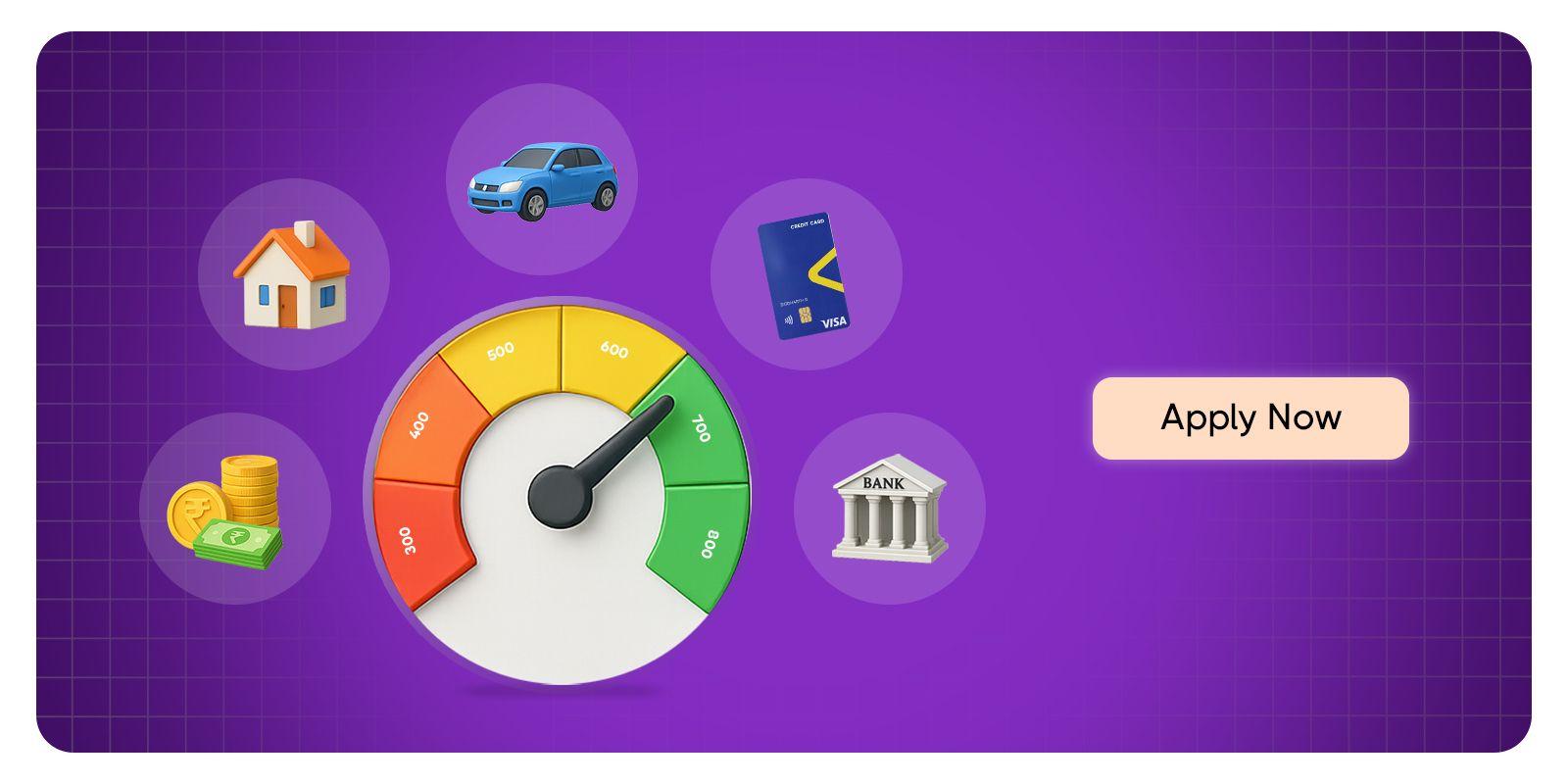
The approval process for personal loans heavily depends on your CIBIL score, which represents your creditworthiness according to your previous borrowing activities. A higher score between 300 and 900 makes your application for approval much stronger. The consequences for defaulting on previous loan or credit card payments require examination. Is there any chance for CIBIL-defaulter individuals to obtain personal loans?
The status of being a CIBIL defaulter brings you numerous difficulties. Traditional lending services avoid loaning money to clients with bad credit records because they view poor credit profiles as indicators of payment defaults. The credit score determines both the loan acceptance outcome and workforce opportunities because of its impact on employment possibilities. Do credit scores play a role in employment opportunities for potential employees? In some sectors, yes. How does the CIBIL score determine employment possibilities for candidates applying to financial or government positions? Your background check process will now automatically include a credit status assessment as this practice is becoming more common.
The situation holds some hope, even though multiple barriers exist. Personal loans for CIBIL defaulters remain accessible to people whose credit reports show default at CIBIL, even though they can use this period to improve their credit track records. This guide explains CIBIL defaulter status before discussing the financial consequences and presents options for borrowers to obtain loans and recover their financial situation.
The term CIBIL defaulter applies to people who neglect their debts to lenders. One refers to someone as a CIBIL defaulter when they fail to repay their loans and credit card dues long until the lender sends their delinquency to CIBIL (Credit Information Bureau India Limited). CIBIL does not release a public defaulter list, but credit reports demonstrate default status, which compromises credit approval opportunities.
Based on lender reporting data, a CIBIL default refers to missed payments of loan EMIs or credit card bills that stay unpaid for 90 days or longer. The lender's notification of unpaid dues to CIBIL damages the borrower's credit report scores. CIBIL maintains a persistent record of these defaults on the report, diminishing lender trust for numerous years.
A low CIBIL score does not indicate default status. A CIBIL score below 650 indicates late payments, a high credit utilization rate, and excessive loan applications, but the term default specifically defines missed repayments exceeding 90 days. CIBIL score remains different from default status because someone could have a low score who never defaulted, while other individuals without a low score may have defaulted.
Read More:: What is the minimum credit score needed for a credit card?
Various possible causes lead to defaults among consumers.
1: Job loss or reduced income
2: Sudden medical emergencies
3: Poor financial planning
4: The improper use of credit cards when repayment does not occur
5: Nonpayment of EMIs and repeated delays in their payment
Reviewing your CIBIL report is essential because some defaults stem from errors in the credit report.
Hesitations from CIBIL default will substantially decrease your chances of securing a personal loan for CIBIL defaulters' approval. Loan agencies evaluate your repayment history by examining your CIBIL score. Surmounting red flags in banking institutions and financial organizations immediately identifies you as a high-risk borrower because your report shows a default.
Lenders avoid approving loans to borrowers with default markers since this indicates unreliability for repayment. Your application for a personal loan for CIBIL defaulters faces certain rejection by traditional banks whenever default appears in your credit report. Although your request may gain attention, the lending institution could offer limited funds and elevated interest payments. Loan approval procedures heavily depend on CIBIL score assessments' role in the process. The CIBIL score ranges from good for scores above 750 to risky for any number below 600. The appearance of default on your record will stay there for multiple years, and its effect will simultaneously decrease your borrowing possibilities.
Many people ask about the impact of CIBIL scores on employment opportunities and their influence on loan applications. Some sectors, including finance, banking, and government positions, consider CIBIL scores in their employment decisions. A background verification process might include a credit score examination by employers, who use the results to evaluate your financial accountability. Is your credit score something that influences your hiring potential as an employee? The CIBIL score determines when candidates are assessed for jobs within specified industrial sectors.
Having a default on your CIBIL record leads to destructive results for your financial and work-related life. Understanding how to get a personal loan for CIBIL defaulters starts with learning the results of credit impact relations with bankers, which helps in the process of earning back their trust. Taking disciplinary and financial steps and showing responsible behaviour will improve your score and qualify you for loans again.
Read More:: Minimum CIBIL Score Required for Credit Cards
Acquiring a personal loan for those with default profiles with CIBIL is a complex but achievable process. Following the correct approach will enhance your prospects for loan approval despite your damaged credit report. Follow this step-by-step advice to proceed.
The initial crucial step requires you to examine your CIBIL credit report. Most defaulters do not recognize which particular factors cause their poor credit rating. Your review of the report should include an assessment for payment errors, loan defaults, high credit usage, and data mistakes. Your score might encounter wrong effects from outdated or inaccurate data inputted into the records.
Report any detected wrong information by raising disputes with CIBIL immediately. You can initiate this process through an online platform, which results in CIBIL fixing valid claims within thirty days. Error correction makes your loan qualification possible, leading to score improvement.
Read More:: Credit Card Against Fixed Deposit
Trust building with lenders requires full payment of all past-due loans. When you cannot afford the full payment, you should attempt to settle your debt by requesting negotiations from your lender. Once you pay, request a No Dues Certificate to verify account closure.
Lenders will consider your future loan application after default, provided your attempts to enhance financial stability demonstrate progress. The offset of future payments for EMIs and credit cards must remain timely. Seek only loans you can sustain financially while maintaining your credit usage under 30%.
When you complete loan or account repayment, obtain a No Dues Certificate from the lending institution. A No Dues Certificate verifies your debt clearance, which makes it useful for demonstrating readiness to bankers when applying for loans.
Show your financial improvement through proof of salary slips, bank statements, or income tax returns when your income status has changed since default. The likelihood of obtaining a loan increases for lenders when they believe you can repay the debt at present.
Read More:: What is the best CIBIL Score
Personal loan applications from CIBIL defaulters should contain proper documentation to enhance their possibility of obtaining loan approval. CIBIL defaulters should submit all required documents to prove their commitment and financial stability to lenders, who must evaluate their ability to repay the loan.
A selection of essential requested documents includes the following list:
1: Aadhar Card
2: PAN Card
3: Passport or Voter ID
The documents are vital in KYC procedures because they prove your identity.
1: Utility bills (electricity, water, gas)
2: Rent agreement or passport
3: Bank passbook with address
A durable or latest address must be verified because it serves as fundamental identification for communications together with verification needs.
Read More:: RBI Guidelines for Credit Cards
1: Last 3–6 months’ salary slips
2: Latest Form 16 or income tax returns (ITR)
3: Bank statements (last 6 months)
Stable income proof stands among the main requirements for CIBIL defaulters seeking personal loans because it demonstrates to lenders that you can repay the loan.
1: Company ID card
2: Employment letter or offer letter
Although salaried individuals working continuously at their jobs do not have stellar credit scores, the lender may grant approval.
After settling your past loans seeking a No Dues Certificate from your lender demonstrates responsibility in addressing your credit problems.
Read More:: What Happens If You Default on Your Credit Card
When you apply for secured personal loans for CIBIL defaulters, the banking institution needs security documents about FDs, properties, or gold items.
A personal loan for CIBIL defaulters is hard to obtain after being marked as a credit defaulter, but it remains achievable with appropriate steps. The approval process for lenders might appear difficult; however, implementing specific, well-planned strategies will increase your odds of loan acceptance even though you have an unfavourable credit record.
The best method to boost your likelihood involves seeking a secured loan. Personal loans for CIBIL defaulters become available at a superior rate when borrowers present collateral such as gold, fixed deposits (FDs), property, or insurance policies.
When you request small-size loans, you make yourself more attractive for loan approval. The likelihood of obtaining a personal loan increases when you request a modest amount that matches your income capabilities.
Any loan approval depends on how lenders evaluate your monthly income relative to your intended EMI amount. Lenders should approve your EMIs when they keep below 40% of your monthly earnings. To demonstrate financial stability improve your income level or decrease existing debts because that will enhance your income-to-EMI ratio.
Read More:: Credit Score Vs CIBIL Score
Banks that operate as major financial institutions tend to deny approval to individuals with CIBIL default on record, although NBFCs, including cooperative banks, occasionally approve loan applications. You should develop friendly bonds and keep savings or fixed deposit accounts active because this demonstrates dependability.
The consistent payment of dues for bills and, EMIs and credit card payments shows financial responsibility to lenders. The behavior will strengthen your credit profile so lenders become more inclined to provide personal loans to those who defaulted on CIBIL payments.
You must steer clear of particular frequent errors that will degrade your financial profile and lower your prospects of obtaining a loan. Understanding the wrong actions is equally important to understanding how to get a personal loan for CIBIL defaulters.
Regularly reviewing your credit report should be your main priority because it constitutes one of the most significant mistakes. Defaulters often believe they have adequate knowledge about their credit situation, although their score could be affected by existing errors, out-of-date information, and unknown defaults. Having a habit of checking your CIBIL report gives you time to spot inaccuracies and initiate actions to build up your profile.
The main causes of loan or credit card defaulting include financial planning errors, joblessness, and unexpected emergencies. The absence of proper corrective measures for expense control or budget issues will produce continued defaults. CIBIL defaulters who plan to get a personal loan should first eliminate the original factors behind their financial problems to prevent future debt issues.
Read More:: Is a 750 Credit Score Good?
Anyone desperate due to default payments becomes more susceptible to falling into scams.
Fraudsters attempt to defraud people with guaranteed loans requiring immediate payments before conducting credit checks. Genuine lenders will never require payment before processing your loan because such a request indicates a potential scam. Select lenders based on research while reading customer reviews before giving away confidential information to unknown sources.
To work towards having a strong financial profile and ensuring you have an easier pathway into acquiring credit, improving your CIBIL score is very important. A good credit score will allow lenders to see that you are an individual who has borrowed responsibly and it will improve your reputation as being creditworthy.
Having a higher CIBIL score means you are able to attain loans with reduced interest rates and more favourable repayment terms.
One of the best ways to improve your CIBIL Score is by ensuring that you pay your loan EMI’s and credit card bills on or before the due date. The history of payment is one of the most important criteria in calculating a credit score and showing that you have made timely payments consistently over a period of time provides an indication that you have good financial discipline. Even missing one payment can adversely affect your score, so setting reminders or automatic payments will assist you to keep an accurate record of your repayment to receive a good rating.
Maintaining a low credit utilization ratio is a significant consideration in your credit report and relates to the amount of available credit you have utilized. It is recommended that you utilise less than 30% of your total credit limit; excessive credit utilization may create a perception of stress and adversely affect your score.
By not applying for more than one loan or credit card in a short time period, borrowers avoid getting multiple hard enquiries on their credit file. Multiple hard credit enquires will temporarily lower your credit score - therefore limiting the number of new credit applications made, to those that are necessary reduces the risk of a reduced credit score.
Having a long credit history assists to improve your overall credit score because it demonstrates stable financial behaviour. Also, having a balanced combination of secured credit (home loan) and unsecured credit (credit cards) will increase your perceived creditworthiness.
It is important to review your credit report regularly. Reviewing your report will allow you to locate errors which will lower your credit score. Once you find an error, you can dispute it with the appropriate credit reporting agency and request that they correct the error to provide a full credit rating.
Having a good CIBIL score greatly influences the ability to acquire a personal loan with good conditions. The lender can use the borrower’s credit score as one way to evaluate how likely the borrower is to repay the loan and how secure they will be with the loan repayment. A higher credit score demonstrates that a borrower is a less risky borrower, so the lender will offer them favorable loans.
Individuals with higher credit scores typically enjoy lower interest rates, higher loan amounts and more flexible repayment options. This results in a lower overall cost for the borrower, which makes it easier for the borrower to manage their loans. If the borrower has a poor credit score, they may find that they will not be approved for a loan, or they may have to pay a higher interest rate when they are approved.
Making sure that you pay your debts on time and manage your current debts is crucial to getting a personal loan with good conditions. Paying down any outstanding debt before applying for a loan will increase your chances of being approved and give the lender more confidence in your ability to repay the loan.
In addition to paying down your debts, borrowers are also encouraged to compare loan offers from different banks and other financial institutions. When evaluating different loan offers, borrowers should look at the interest rate, any fees associated with processing the loan and repayment terms to select the loan with the most suitable terms. Further, lenders may look at the applicant’s income, employment history, and discipline with regards to their finances to make a determination about whether or not to approve the loan.
Negative credit events such as missed payments and defaults on loans will appear on your credit record for only a limited time. Typically, CIBIL keeps track of defaults and negative credit information for seven years beginning from the date of the first unpaid bill.
During the 7-year period, the default will continue to appear on the individual’s credit history and may affect the borrower’s ability to obtain future loans, obtain credit cards, and/or obtain lower interest rates. When lenders review an individual’s credit history they may view the defaulted payments as a sign of greater credit risk.
If a borrower repays their delinquent account(s) in full, then the lender may update their account's status to either “settled” or "closed," which can look better to lenders as opposed to a defaulted payment that has not been paid in full, but the account will still appear to have a default payment in the borrower’s credit history, until the 7-year time limit has passed.
Please keep in mind that there is no official public defaulter list. Instead, lenders will review individual’s credit report to gather information regarding repayment habits and credit histories. Once the 7-year retention period has expired and the borrower has not missed any additional payments the lender will automatically remove the negative information from that borrower’s credit report.
Practicing responsible credit behavior, paying off old and new debts, and reviewing your credit report often will help you maintain a positive credit history and improve your chances of obtaining credit in the future.
A credit defaulter is a person that defaults on any one of the loans or credit that they have taken. In India, this generally means defaulters who skip triple-digit EMI payments or default on their loan or credit card dues altogether. If a borrower regularly misses payments, the lender may consider the account to be in default.
Banks report this repayment to credit bureaus like TransUnion CIBIL. These bureaus keep credit reports that display a borrower’s payment history, loan accounts, and credit card usage. For instance, if a borrower defaults on a loan, that gets marked on the credit report and can cause a big drop in the score.
For loans, if a borrower is overdue by more than 90 days, the loan account may be termed a non performing asset by the lender. In other words, this means that the borrower has defaulted on the loan payment and is a credit defaulter.
There are multiple bases for defaulting on a credit. Sometimes borrowers encounter hardships like job loss, medical emergencies, or unforeseen expenses that make it challenging to pay EMIs promptly. Other times, bad budgeting or over-extending credit causes you to miss a payment.
Getting branded a credit defaulter can kill your finances. Banks and lenders look at credit reports before they issue new loans. If you have a default record in TransUnion CIBIL’s report, lenders may be reluctant to give you further credit.
In addition to loan rejection, defaulters can also encounter higher interest rates if a lender does decide to offer them credit. This is because lenders view these borrowers as more risky candidates. Therefore, restoring credit is significant for those who have already defaulted a loan.
But that doesn’t mean being a credit defaulter closes the door on credit forever. However, with prudent financial measures and diligent repayment habits, users can slowly reconstruct their credit footprint and become loan-eligible again.
While it’s difficult to get a personal loan with bad credit, it’s not impossible. A few alternatives can assist borrowers in getting money while they repair their credit.
One popular choice is a secured loan. In secured loans, the borrower pledges an asset – such as property, gold, or a fixed deposit, in support of the application. And because the lender has collateral against the loan amount, they may be able to offer the loan even with a deficient credit profile.
One other potential alternative is to apply for a loan with a co applicant/guarantor. If the co applicant has good credit and income, lenders may also look at the combined strength of both applicants. This may improve the likelihood of loan approval even though the principal borrower has a credit impairment.
There are also a few non banking financial companies that extend small personal loans to bad credit borrowers. They might have higher interest rates because the lender is taking more risk. But if the borrower repays on time, it can help repair the credit history reported to TransUnion CIBIL.
Borrowers can also enhance their chances by settling dues before applying for a fresh loan. And settling old debt or working out repayment plans with lenders can go a long way toward rebuilding credibility.
Another practical phase is establishing a new credit history with good credit habits. For instance, consumers can begin with secured credit cards or mini-loans and get everything paid ahead of time. Regular repayment activity assists in showing financial responsibility and incrementally increases the credit score.
It’s also crucial to keep an eye on the credit report. Checking TransUnion CIBIL’s report also allows you to catch any mistakes or outdated information that could bring down your score. And if there are errors, borrowers can dispute with the bureau to fix the record.
Also, borrowers should never apply for multiple loans simultaneously. Multiple credit enquiries also depress the credit score more and can make lenders wary. Instead, focus on getting your finances in order and only apply for credit when you really need it.
Despite being difficult to obtain personal loans for CIBIL defaulters, there are possibilities for approval. Those who have poor credit history can achieve financial control and fund access through proper financial discipline, awareness, and proper methods. To obtain a personal loan for CIBIL defaulters, you must start by checking your credit report to fix errors while repaying existing debts before establishing trust with lenders.
Lending options through NBFCs, cooperative institutions, and peer-to-peer networks can better accommodate customers with CIBIL default status. You should hold down your job income and organize paperwork properly while managing applications separately to one financial institution at a time. Getting personal loans for CIBIL defaulters requires more than matching eligibility standards because lender confidence depends heavily on showing responsible behaviour to develop better financial practices.
Lastly, avoid scams and shortcuts. Building credit takes time, yet each collection of proper payments and low credit usage amounts to credit improvement. The situation offers a learning and financial advancement opportunity for you. A CIBIL defaulter status can be overcome with sustained effort and appropriate advice to achieve better financial stability.
Despite a history of CIBIL default, you can secure personal funding, though it will most likely involve elevated interest costs and additional loan requirements. Denial of service exists for credit history-impaired individuals at NBFCs, cooperative banks, and peer-to-peer lending platforms.
The chances of loan approval will increase if you secure assets to offer, request lower funding amounts, or obtain backing from another person. A stable income and proper documentation help CIBIL defaulters build trust with their lenders for approval.
Absolutely. Your responsibility in paying off all your debts will demonstrate excellent financial conduct, which will build up your credit score. A No-Dues Certificate should always be obtained after completing debt repayment to serve as documentation when seeking new loans.
Positive credit scores are required for banking and finance positions and government positions during the application process. Your credit score may be examined through background checks that employers conduct. A solid credit history serves two essential purposes: it helps you deal with credit situations and find career opportunities.
A default shown on CIBIL reports will remain there for seven full years. Your CIBIL score will be affected for seven years, but responsible financial habits will help your score improve over time.
The approval process for secured loans requiring assets like gold or fixed deposits becomes easier, presenting better conditions for those with low credit scores.



Contact

care@zetapp.in
Social


Build and Maintain a 750+ Credit Score